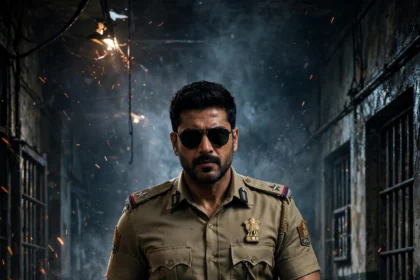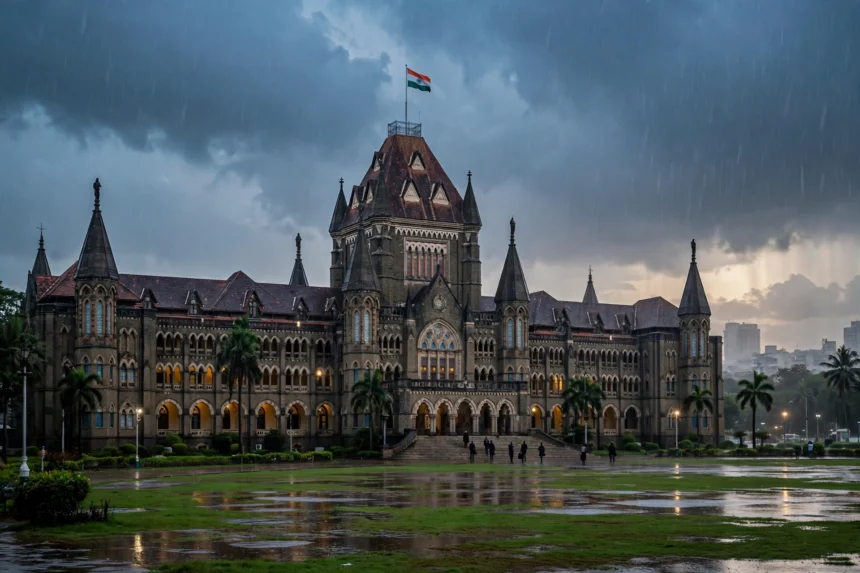
When actor Imran Khan turned up at August Kranti Maidan in Mumbai on October 10, he likely expected a few hours of slogans, a restless crowd, and then home. Six days later, the Jaane Tu Ya Jaane Na star is staring at an official order to leave the country he has called home for over two decades.
According to reports in the Indian media, the Foreigners Regional Registration Office (FRRO) in Mumbai has directed the 43-year-old actor to leave India by October 28. The notice followed his participation in a protest organised by Citizens for Justice and Peace (CJP) that demanded the resignation of Chief Election Commissioner Gyanesh Kumar over voter list revisions which opposition parties and critics say favour the ruling BJP. A complaint was filed at a Mumbai police station flagging the actor’s presence at the rally, and the FRRO acted on it.
Now Khan is fighting back. His lawyers have said they will move the Bombay High Court today, October 16, challenging the FRRO order and seeking an urgent hearing. What began as a citizen’s protest on a rain-softened Mumbai ground is turning into one of the most closely watched legal battles of the year in Bollywood.
Why the FRRO got involved
Imran Khan is a citizen of the United States. Under Indian immigration rules, foreign nationals are expected to keep away from political activity, and joining a protest can be treated as a breach of the conditions of their stay. Officials told Indian media that the FRRO notice was issued on the basis of a police complaint, under the Immigration and Foreigners Act, 2025.
The October 10 rally drew hundreds of protesters. Speakers accused the Election Commission of carrying out voter roll revisions that could disenfranchise genuine voters, a charge the Commission has consistently denied. Khan’s presence at the venue, as a widely recognised film star, made headlines within hours. It is his visibility, ironically, that made the episode impossible for the authorities to ignore.
What his legal team is arguing
Zulfiquar Memon, Parvez Memon and Chirag Naik of MZM Legal LLP, who are representing the actor, told the Hindustan Times that they will approach the Bombay High Court on October 16 and press for an urgent hearing. Their case, as outlined to reporters, rests on several planks:
- Vague charges: The FRRO notice does not clearly specify which provisions of the Immigration and Foreigners Act, 2025 Khan is alleged to have breached. His lawyers say a directive this severe must spell out the exact violation.
- OCI protection: Khan is an Overseas Citizen of India (OCI) cardholder, a status his legal team argues carries specific rights and protections around his stay in the country.
- Wrong authority: According to his lawyers, the power to cancel a visa or curtail a stay of this nature rests with the Ministry of Home Affairs, and can only be exercised after giving the person a proper opportunity to present their case at a formal hearing.
- Due process: The team contends the FRRO directive was issued without adequately examining the relevant legal provisions or following the required procedure.
The actor himself has stayed largely tight lipped on the matter and did not respond to a request for comment from Reuters. His lawyers, however, are emphatic: he has not violated any condition governing his stay in India, and the order should not stand.
The Instagram post that said it all
On the day of the protest, Khan posted a picture on Instagram showing him flashing a victory sign from the back of what looked like a police van. The caption read: “Apparently I’m going for a drive.”
At the time it read like a wry joke from an actor who has always kept a low public profile. Read today, against the backdrop of a government order to leave the country, it looks like the first public hint of how the afternoon actually ended.
Who is Imran Khan, really
To a generation of moviegoers, Imran Khan is the boy next door who made an unforgettable debut opposite Genelia D’Souza in Jaane Tu Ya Jaane Na (2008). As the nephew of superstar Aamir Khan, he carried one of Bollywood’s most famous surnames into hits like I Hate Luv Storys and Delhi Belly, carving out a career between 2008 and 2015 before suddenly stepping away from films.
Unlike most of his contemporaries, he never chased the spotlight after his exit. He has lived in India for more than twenty years, and in recent interviews has spoken about a possible return to cinema. Few would have predicted that his first major headlines in a decade would be written in a courtroom rather than on a film set.
What happens next
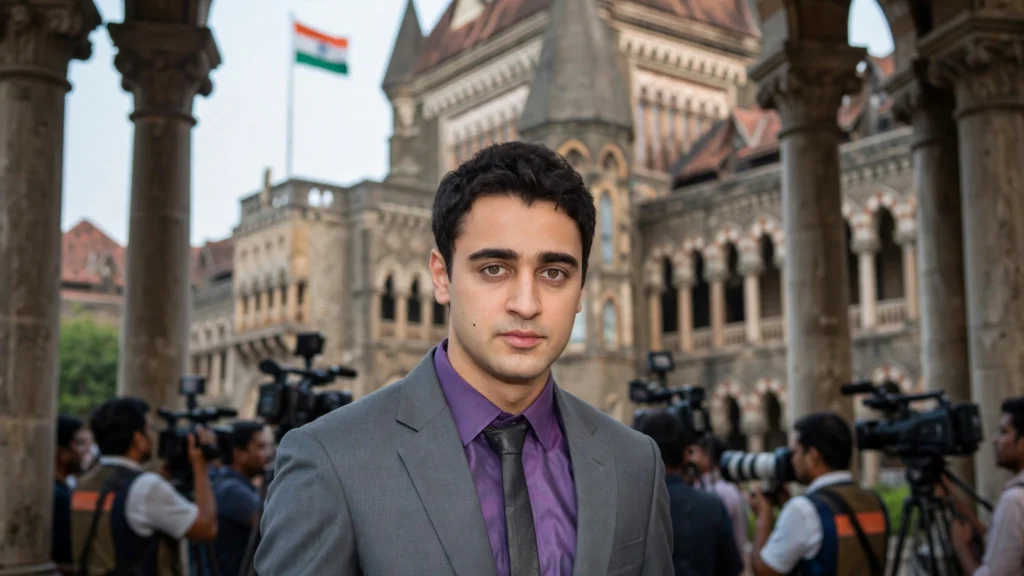
Everything now turns on today’s hearing. If the Bombay High Court agrees to hear the matter urgently, it could stay the FRRO order, ask the government to lay out precisely which law Khan broke, or decline to intervene and let the October 28 deadline stand. Any of those outcomes will be read far beyond this one case, as a test of how India treats foreign residents who take part in public dissent.
Film industry colleagues are watching quietly. Civic rights groups are watching closely. And the actor, who once played the gentle romantic hero, is now the face of a fight about who gets to raise their voice in a democracy.
Frequently asked questions
Why has Imran Khan been asked to leave India?
The Mumbai FRRO has directed him to leave by October 28 after he took part in an October 10 protest at August Kranti Maidan. Under Indian immigration rules, foreign nationals joining political protests can be treated as violating their visa conditions.
What is the legal basis of the FRRO notice?
The notice reportedly relies on the Immigration and Foreigners Act, 2025, and followed a police complaint. Khan’s lawyers argue the order fails to specify which provisions he allegedly breached.
When will the Bombay High Court hear the case?
His legal team said they will move the High Court on October 16 and seek an urgent hearing, asking the court to intervene before the October 28 deadline.
Is Imran Khan an Indian citizen?
No. He is a US citizen who has lived in India for over two decades, and his lawyers say he holds an Overseas Citizen of India (OCI) card.
What happens if the court does not intervene?
Khan would be expected to leave India by October 28. His lawyers maintain that only the Ministry of Home Affairs can take such a decision, and only after a formal hearing.
Informeia will track the High Court hearing and update this story as it develops.