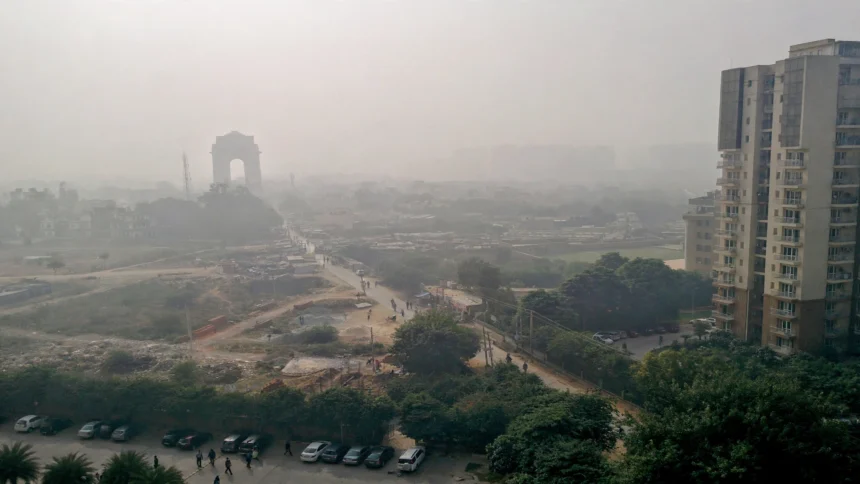
Delhi woke up on Wednesday to air that doctors would call dangerous to breathe, and by the end of the day the numbers had turned alarming. Fine particle pollution in parts of the capital crossed 461 micrograms per cubic metre, according to monitoring firm IQAir, a level more than 30 times the World Health Organization’s recommended daily guideline of 15 micrograms. The surge came just three days after authorities tightened winter pollution controls, and with Diwali falling on Sunday, residents are bracing for worse air in the days ahead.
For the wider metropolis, home to more than 30 million people, this is a familiar winter pattern: calm winds and falling temperatures trap exhaust, smoke and dust close to the ground. The city’s average air quality index climbed to 377, its worst in nearly 10 months, and forecasters expect very poor air on Thursday, turning severe from November 6 to 7.
What the numbers actually mean
PM2.5 refers to fine particles so small they can enter the bloodstream through the lungs. Health agencies link long exposure to heart disease, stroke, chronic lung disease, asthma and cancer. That is why a reading above 461 matters even though it is not a citywide average: it shows how bad the air can get in the worst affected pockets, while large parts of the city remain deep in the very poor range.
The WHO guideline is a health recommendation for average exposure over 24 hours, not a legal limit. Crossing it by more than 30 times is a clear signal to limit outdoor exertion, especially for children, older people and anyone with asthma or heart disease.
Why Delhi’s air turned so bad, so fast
There is no single culprit, and that is what makes Delhi’s winter smog so hard to fix. According to India’s environment ministry, vehicles account for about 23 percent of the city’s winter pollution, while biomass burning, including farm stubble fires, contributes about 20 percent. Industry, including coal fired power plants, contributes about 9 percent.
The largest share, about 27 percent, comes from secondary particles. These form in the atmosphere when gases released by vehicles, industry, power plants and biomass burning react with each other. Author Jacob Koshy, science editor of The Hindu, has also pointed to ammonia from fertiliser spread on fields around the capital, which reacts with other pollutants to form secondary particulate matter.
- Vehicles: about 23 percent of winter pollution.
- Biomass burning: about 20 percent, including farm stubble fires.
- Industry: about 9 percent, including coal fired power plants.
- Secondary particles: about 27 percent, formed when gases from several sources react in the air.
Controls were tightened, but the smog still came
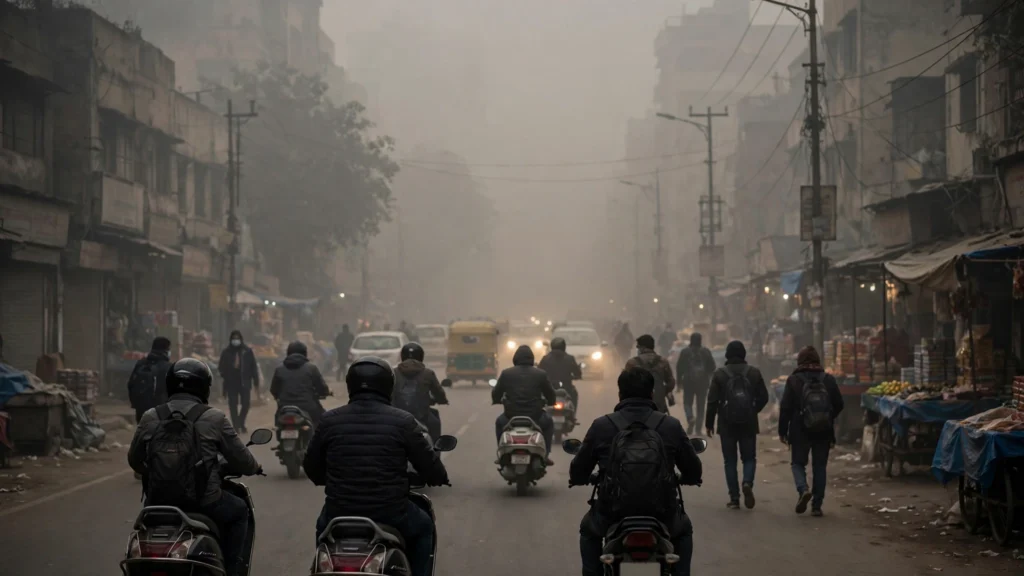
Delhi tightened its winter pollution plan on November 1, three days before Wednesday’s spike. The measures include restrictions on vehicles and construction work, along with a requirement for Delhi government and private offices to put 50 percent of staff on work from home arrangements through January 31.
Even so, the air worsened, showing the limits of city controls when weather, stubble burning and festive activity line up together. The Supreme Court this month allowed limited use of so called green firecrackers during Diwali, but in past years restrictions have routinely been flouted.
With Diwali on Sunday, firework smoke could push several areas from very poor into severe.
The health cost behind the headlines
The daily readings grab attention, but the long term cost is far larger. A 2024 study published in The Lancet Planetary Health estimated that 3.8 million deaths in India between 2009 and 2019 were linked to air pollution. Delhi is only the most visible face of that crisis, because its winter smog is photographed and measured so closely, but the health burden stretches across the Indo-Gangetic plain and beyond.
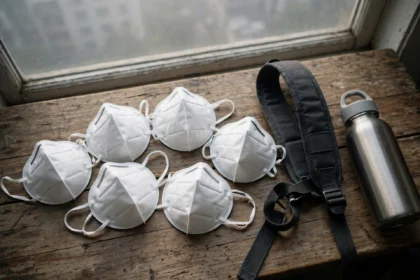
Doctors repeat the same advice every winter: avoid outdoor exercise when smog is thick, keep windows shut at peak hours, wear a well fitting mask outdoors, and do not ignore breathlessness or chest tightness.
What to watch in the next 48 hours
The next two days will tell whether this is a sharp spike or a longer severe spell. Forecasters expect very poor air on Thursday, turning severe from November 6 to 7, and Diwali fireworks on Sunday could make the following Monday worse still.
FAQs
How bad was Delhi’s air on November 4?
PM2.5 crossed 461 micrograms per cubic metre in parts of the city, according to IQAir, more than 30 times the WHO guideline of 15 micrograms. The city average AQI reached 377, its worst in nearly 10 months.
What is PM2.5 and why is it dangerous?
PM2.5 are fine particles small enough to enter the bloodstream. Long exposure is linked to heart disease, stroke, lung disease, asthma and cancer.
What causes Delhi’s winter pollution?
Vehicles about 23 percent, biomass burning about 20 percent, industry about 9 percent, and secondary particles about 27 percent, per the environment ministry.
Will Diwali make the air worse?
Yes, it is expected to. Firework smoke on top of already poor air usually pushes pollution higher, despite limits on green firecrackers.
What precautions should residents take?
Limit outdoor exercise, keep windows shut at peak hours, wear a well fitting mask outdoors, and seek advice early for breathlessness.
Delhi has seen this winter story before. Until smog sources are cut across the whole region, the capital will keep waking up to grey skies and unsafe air.