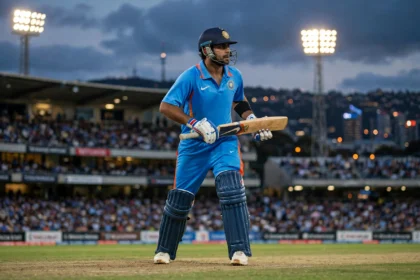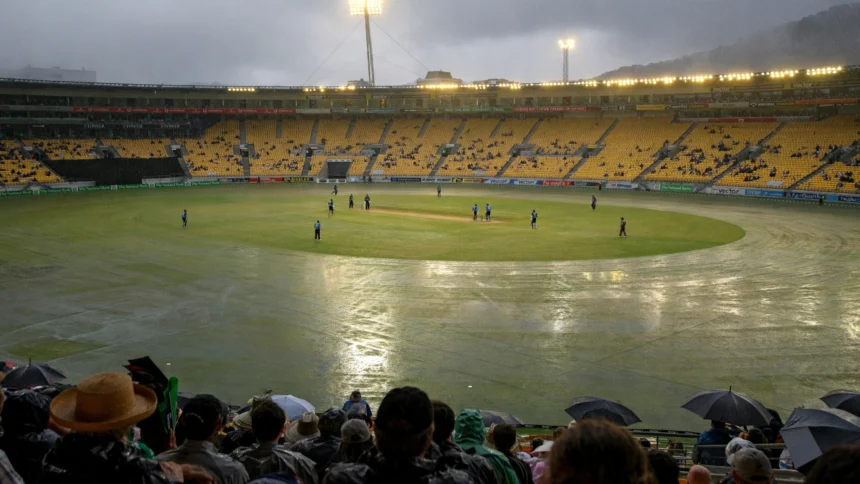
Rain had the final word in Wellington on Saturday, but India still walked away with the win. The visitors beat New Zealand by four runs on the Duckworth-Lewis-Stern method in a rain-hit second ODI, taking a 2-0 lead in the five-match series after bowling the hosts out for just 134.
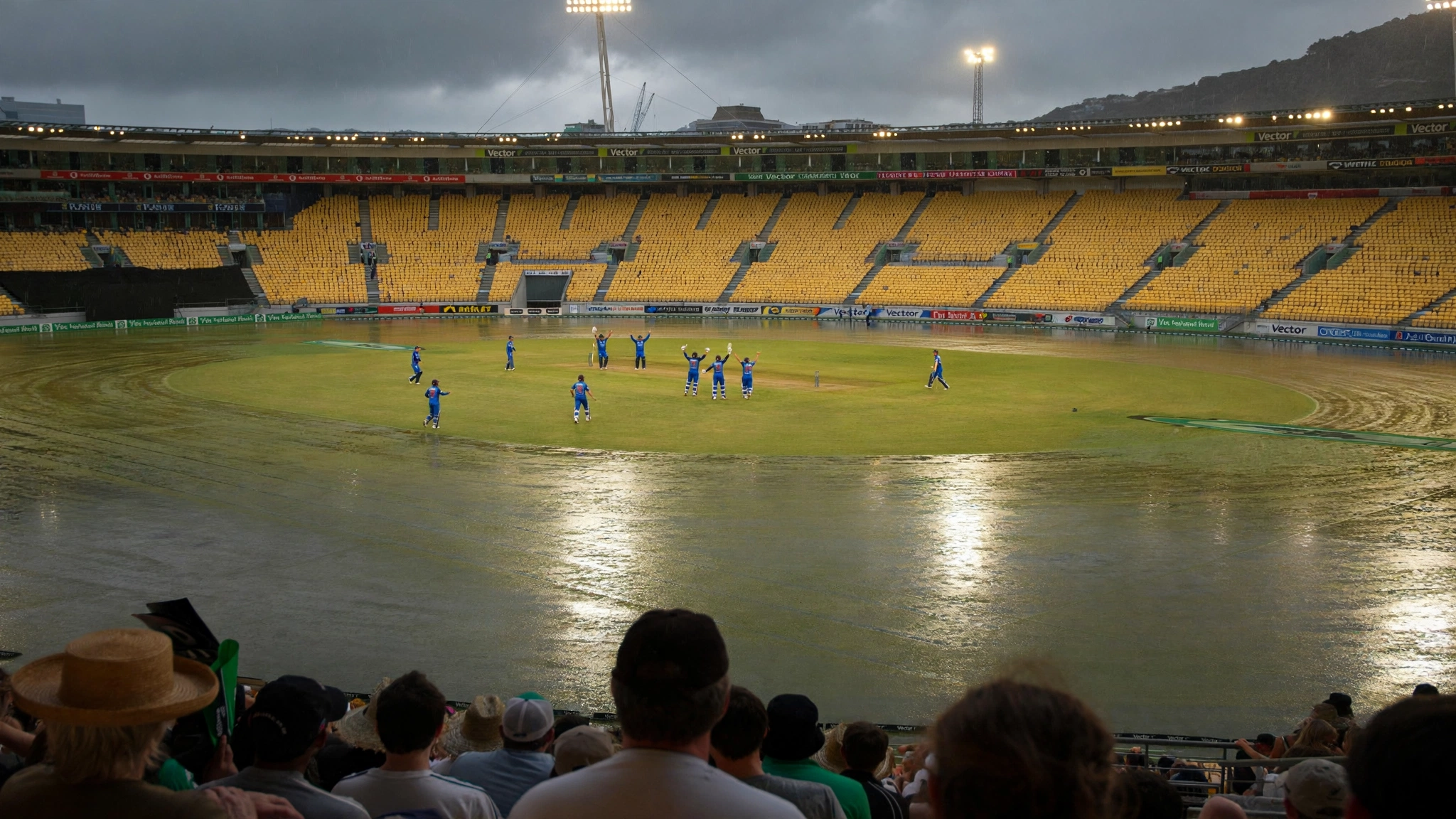
It was the kind of day that tested patience as much as skill. The start was delayed by a wet outfield, the match was cut to 47 overs a side, and the chase was stopped twice by rain before the umpires finally called it off with India on 113 for 7 in 26 overs, four runs ahead of the DLS par score of 109.
Bowlers set it up
Shubman Gill won the toss and chose to bowl first, and his bowlers repaid the call in full. New Zealand never found any rhythm on a two-paced surface, losing wickets at regular intervals before folding for 134 in 41 overs.
Gurnoor Brar was the star of the show. The young pacer finished with career-best figures of 4 for 30 from his 10 overs, mixing pace and bounce to keep the batters guessing all afternoon.
Auqib Nabi made the new ball talk right at the start. The debutant struck in his very first over and removed both openers, Tim Seifert and Will Young, to leave New Zealand in early trouble. He finished with 2 for 31, while Kamboj took 2 for 25 and Axar Patel claimed 2 for 28.
Daryl Mitchell was the only New Zealand batter who looked comfortable. He scored 55 off 104 balls and shared a 59-run stand with captain Mitchell Santner, who made 31. Mitchell later described batting on the Wellington surface as being like batting on a trampoline, with the ball bouncing unevenly throughout the innings.
It was also New Zealand’s lowest ODI total against India on home soil, according to match reports, a stat that says plenty about how well India’s attack bowled.
A chase that never settled
Chasing 135 should have been straightforward. It was anything but. India lost Rohit Sharma, Shubman Gill and Virat Kohli inside the powerplay, and the chase wobbled badly at 45 for 3.
Shreyas Iyer and KL Rahul steadied things for a while, taking the score to 71 for 4 by the end of the 17th over, but the wickets kept falling. Axar Patel fell for 7, and by the time rain returned for the final time, India had slipped to 113 for 7 with 22 runs still needed.
There was one moment India will want to forget. Gill put down a straightforward catch at mid-off when Mitchell was on 21, and KL Rahul could only look on in disbelief as the batter, who had already started walking back, stopped in his tracks. It did not cost India the match, but it gave New Zealand a lifeline they almost used.
Rain decides it
With more than 20 overs of India’s innings complete, the DLS method came into play once the rain grew heavier and no further play was possible. India were four runs ahead of the par score, and that was enough. The match was abandoned, and the win went to the visitors.
What this win means
The result will please the team management for one reason above all: the bowling attack did the job without needing the big names to fire. Brar’s four-wicket haul, Nabi’s dream start on debut and Kamboj’s control showed the depth in India’s pace stocks.
The batting, though, remains a concern. Losing seven wickets while chasing 135 is not the kind of habit a team wants to carry into the rest of the series, and the middle order will know it got away with one here.
For New Zealand, the picture is gloomier. They are missing Devon Conway, Rachin Ravindra and Mark Chapman, and their batting has now failed twice in two matches. They need a big response in the third ODI to keep the series alive.
FAQs
What was the result of the India vs New Zealand 2nd ODI?
India won by four runs on the DLS method after rain abandoned the match in Wellington. New Zealand scored 134 all out, and India were 113 for 7 in 26 overs when play stopped, four runs ahead of the DLS par score.
Who was the best bowler for India?
Gurnoor Brar led the attack with career-best figures of 4 for 30 in 10 overs. Auqib Nabi, Anshul Kamboj and Axar Patel took two wickets each.
Why was the match reduced to 47 overs?
Rain delayed the start in Wellington and left the outfield wet, so the match was reduced to 47 overs per side after a ground inspection.
What is the series score now?
India lead the five-match ODI series 2-0 after winning the first ODI in Auckland by five wickets and the second in Wellington by four runs on DLS.
Who top-scored for New Zealand?
Daryl Mitchell top-scored with 55 off 104 balls. He was the only New Zealand batter to cross fifty in the innings.
Rain may have decided the finish, but the bowling had already decided the match. India go 2-0 up, and New Zealand now face a must-win game to stay in the series.