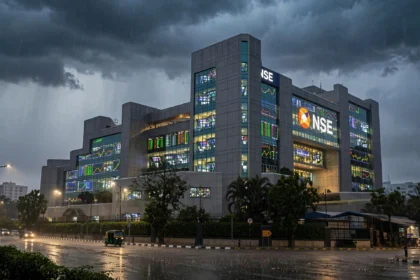
India’s private sector picked up speed in October, growing at its fastest pace in four months. Fresh flash data from HSBC, released on Friday, puts the composite output index at 56.7, up from 55.9 in September. It is a clear sign that orders are flowing again across factories and service firms, even though the same survey shows hiring barely moving.
The headline number matters because it captures the mood of the real economy, not just the stock market. A reading above 50 means activity is expanding. At 56.7, October’s reading sits comfortably in expansion territory, and it also beat the 56.1 median forecast in a Reuters poll. The catch is that growth is still running below the average seen so far in 2026, so this is a pickup, not a boom.
Services lead the pickup
Services did most of the heavy lifting this month. The services business activity index rose to 56.2 from 55.2 in September, driving the bulk of the acceleration in overall private sector output. Demand strengthened, new work came in faster, and service providers reported better market conditions than they did a month ago.
Factories keep producing, but hire slowly
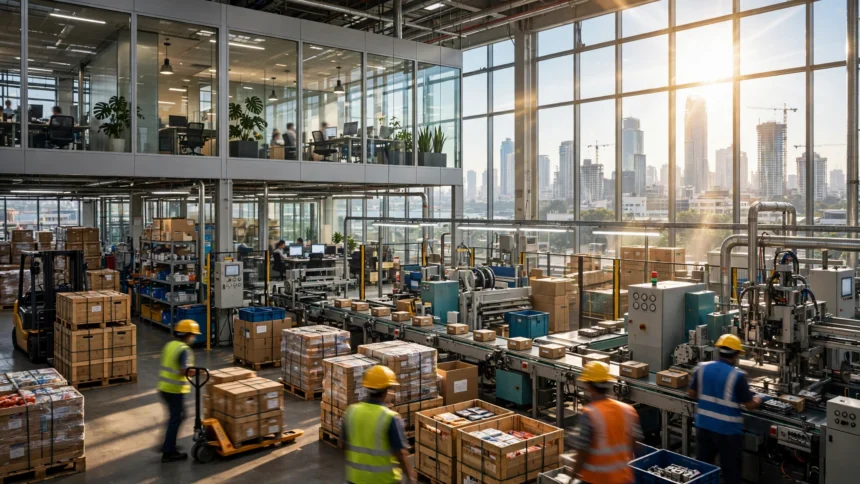
Manufacturing told a slightly different story. The headline manufacturing index eased to 54.9 from 55.1, even though factory output itself edged higher. The manufacturing output index rose to 57.6 from 57.5, which means production lines kept running at a strong pace.
So why did the headline factory number slip? Slower recruitment pulled it down. Manufacturers added workers only marginally in October, and the survey points to caution rather than confidence on hiring. Firms appear to be testing whether the demand recovery lasts before they commit to bigger payrolls.
Manufacturers also built up stocks of raw materials and finished goods to meet the stronger demand without risking delays.
Exports give the lift
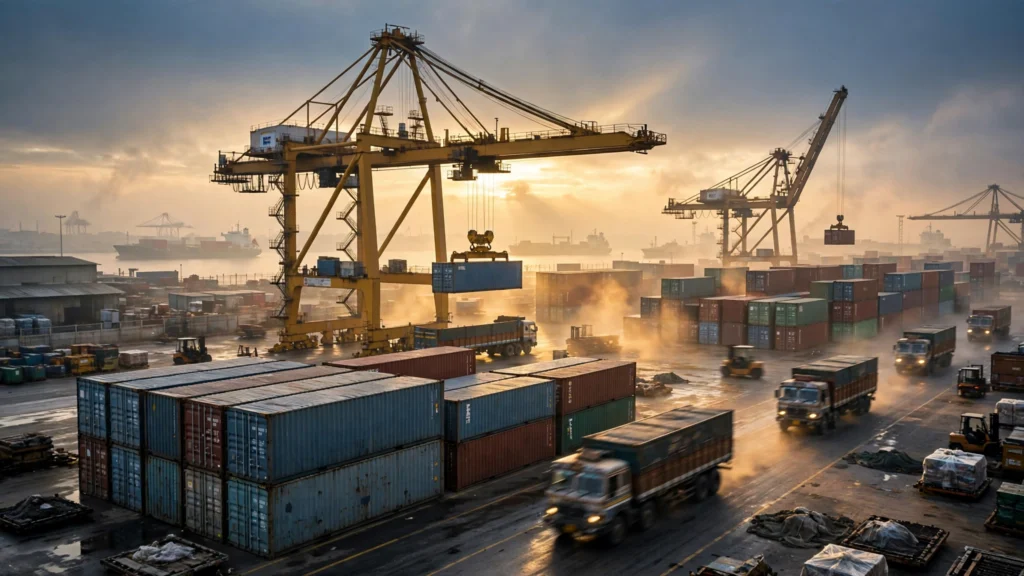
The brightest part of the October survey is overseas demand. New export orders grew at their fastest pace in six months, with firms reporting fresh business from the United States, the United Kingdom, West Asia and Bangladesh.
Pranjul Bhandari, chief India economist at HSBC, noted that the steady pace of new order growth hides the fastest increase in new export orders since June 2025. That detail matters because export strength can support factory output even when domestic demand cools for a spell.
There is a nuance worth noting. The improvement in export orders was concentrated among goods producers, while growth in foreign demand for services weakened. In other words, factories are winning more overseas work right now, while service exporters are finding the going a little tougher.
Costs cool, but jobs do not follow
On prices, the news is encouraging. Input cost inflation slowed for a seventh straight month to its lowest level in nearly a year, and selling prices rose at their slowest pace since March 2025. For businesses squeezed by steel and transport costs in recent months, that easing brings some breathing room, even though those two cost items are still cited as pressure points.
The jobs picture is the clear weak spot. Overall employment rose only marginally in October, the slowest pace of job creation so far this year. Services employment was unchanged, ending a nine-month run of workforce growth in the sector. Companies said their existing workforce was enough to handle current workloads, which explains why hiring has paused even as output rises.
That gap between output and hiring is the question to watch. If orders keep growing, firms will eventually need more hands. For now, businesses are choosing to wait and see.
What to watch next
- The final October numbers: flash estimates are early readings. The final PMI figures will confirm whether the services surge and export jump held through the rest of the month.
- Whether hiring restarts: a second month of flat services employment would signal a deeper hiring freeze, not just a one-month pause.
- Export momentum: if overseas orders stay strong, factories could carry growth even if domestic demand softens.
- Price pressures: input costs are easing, but steel and transport costs still need watching in the months ahead.
For now, the survey paints India as an economy moving faster, selling more abroad, and paying a little less for its inputs, but holding back on new jobs until the recovery proves itself.
FAQs
What is the PMI?
The Purchasing Managers’ Index is a monthly survey of businesses. A reading above 50 signals expansion, while a reading below 50 signals contraction. The composite index combines manufacturing and services.
What was India’s composite PMI in October 2026?
HSBC’s flash India Composite Output Index rose to 56.7 in October from 55.9 in September, the fastest growth since June 2026.
Which sector grew faster, manufacturing or services?
Services led the pickup, with its activity index rising to 56.2 from 55.2. The manufacturing index eased to 54.9 from 55.1, although factory output edged up.
Why did hiring slow even as growth picked up?
Companies said existing staff were sufficient to handle higher workloads. Services employment was unchanged, ending nine months of job growth, and factory hiring rose only marginally.
Are export orders really improving?
Yes, according to the survey. New export orders rose at their fastest pace in six months, led by goods producers, with demand reported from the US, the UK, West Asia and Bangladesh.
Stay with Informeia for the numbers that matter, explained in plain language.