New Delhi: India is thinking a quarter of a century ahead. Union Minister Ashwini Vaishnaw said on Wednesday that the country has drawn up a long-term roadmap, stretching 20 to 25 years, to reduce its critical technology dependencies and strengthen its resilience against global disruptions.
At the Bloomberg New Economy Forum in the national capital, he said India was mapping the areas where excessive dependence on other countries could expose its production and economy to shifting policies and geopolitical tensions.
Resilience, not self-sufficiency
Vaishnaw made a clear distinction between two ideas that are often confused. India is not chasing complete self-sufficiency, he said. Instead, it wants to become a partner the world can rely on, while making sure no single dependency becomes a vulnerability.
“Things change, politics change, geopolitics play a big role, so we have to constantly calibrate our approach, and we in India are thinking at least 20 years ahead,” he told the audience.
The roadmap is built in three phases: short-term goals covering three to five years, medium-term targets spanning five to 15 years, and long-term objectives stretching over 20 to 25 years. Each phase focuses on building domestic capabilities in strategically important areas, while India stays plugged into global value chains.
Technology, Vaishnaw noted, will continue to be a global industry with supply chains spread across several countries. The priority is to identify the pressure points and build resilience without compromising international partnerships.
Chips at the centre of the plan
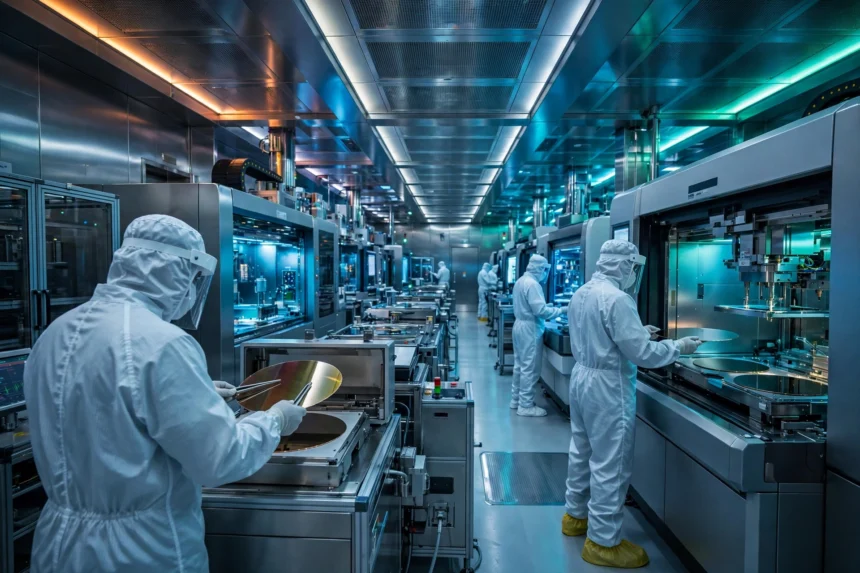
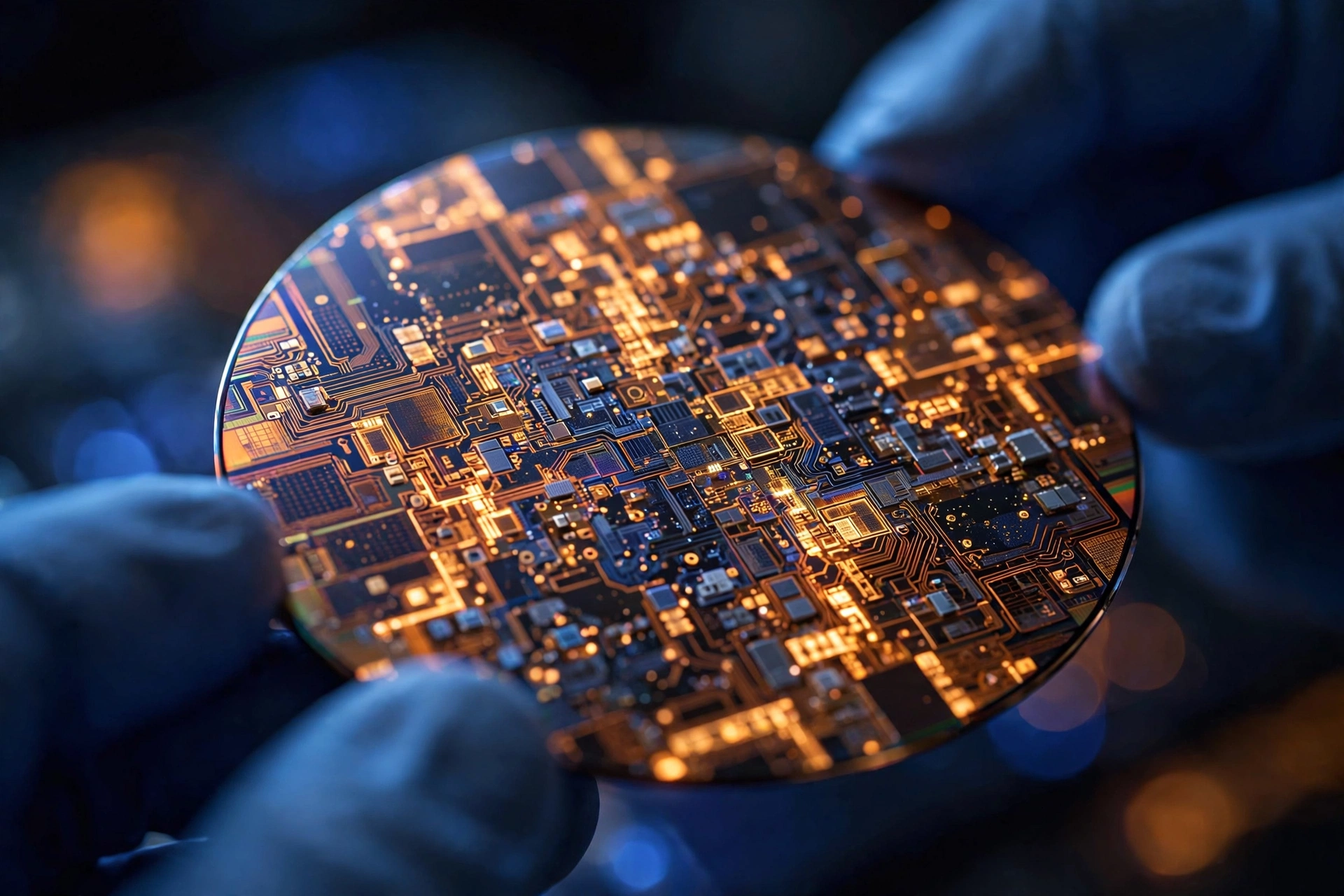
Semiconductors featured heavily in the minister’s remarks. He stressed that India must develop the entire chip ecosystem, not just the headline-grabbing parts. That means materials, chemicals, gases and substrate materials, alongside chip design and manufacturing.
“Without ecosystem, no manufacturing effort will ever pay off,” he said.
According to the minister, the second phase of India’s semiconductor programme places far greater emphasis on these inputs. Building such capabilities, he cautioned, requires time and sustained investment.
The context is stark. India imported roughly 150 billion dollars worth of microchips between 2017 and 2025, components that power everything from smartphones to defence equipment. To cut that dependence, New Delhi has pledged more than 20 billion dollars in government support for the sector.
Five chip assembly, testing and packaging plants are already in commercial production, involving US titan Micron, Indian firms Kaynes, CDIL and Suchi Semicon, and CG Semi, an Indian-Japanese-Thai joint venture. Seven more projects have been approved, including Tata Electronics’ chip factory in Gujarat being built with Taiwan’s PSMC.
The government estimates India’s semiconductor market at about 50 billion dollars this year, rising to 110 billion by 2030 and over 200 billion by 2035.
Cisco chief backs the approach
Vaishnaw was not the only voice at the forum. Cisco Chairman and CEO Chuck Robbins, sharing the stage, said India’s scale and its approach of building strategically important capabilities while partnering with trusted companies offered a practical path towards technology sovereignty.
Prime Minister Narendra Modi has repeatedly called this decade India’s “Techade”, and the electronics sector is being positioned to prove it. India’s electronics production has already climbed from about 31 billion dollars in 2014-15 to roughly 133 billion dollars in 2024-25.
Why this matters now
The timing of the announcement is no accident. The world has watched supply chains buckle over the past few years, from chip shortages that idled car factories to export controls that rewired trade routes overnight. India wants to be one of the alternatives, but the minister’s message carried a warning: strategic autonomy is not built in an election cycle.
- Short term (3 to 5 years): strengthen assembly, testing and packaging capacity and lock in partnerships.
- Medium term (5 to 15 years): build the deeper ecosystem, from materials and gases to advanced design work.
- Long term (20 to 25 years): emerge as a trusted, resilient node in global technology supply chains.
- The red line: partnerships are welcome, but no dependency should be able to compromise India’s resilience.
What to watch next
The real test of the roadmap will be execution. If the second phase of the semiconductor programme delivers the materials and substrate ecosystem, analysts say, the factories will have something to stand on.
FAQs
What did Ashwini Vaishnaw announce?
A 20 to 25-year roadmap to reduce India’s critical technology dependencies, with phased targets for the next 3 to 5, 5 to 15, and 20 to 25 years, announced at the Bloomberg New Economy Forum in New Delhi on October 14.
Is India trying to become fully self-sufficient in technology?
No. Vaishnaw explicitly said the goal is resilience, not self-sufficiency. India aims to remain integrated with global value chains while ensuring strategic dependencies do not become vulnerabilities.
Why are semiconductors the focus?
India imported about 150 billion dollars in microchips between 2017 and 2025. The minister said building the full ecosystem, including materials, chemicals and gases, is essential before large-scale manufacturing can succeed.
What did Cisco’s CEO say at the forum?
Cisco Chairman and CEO Chuck Robbins said India’s approach of building strategic capabilities while partnering with trusted companies offered a practical path towards technology sovereignty.
India’s tech roadmap will be judged not by announcements but by the factories, materials and talent it produces over the next two decades. For now, the direction is clear: think 25 years ahead, build the base, and stay open to the world.