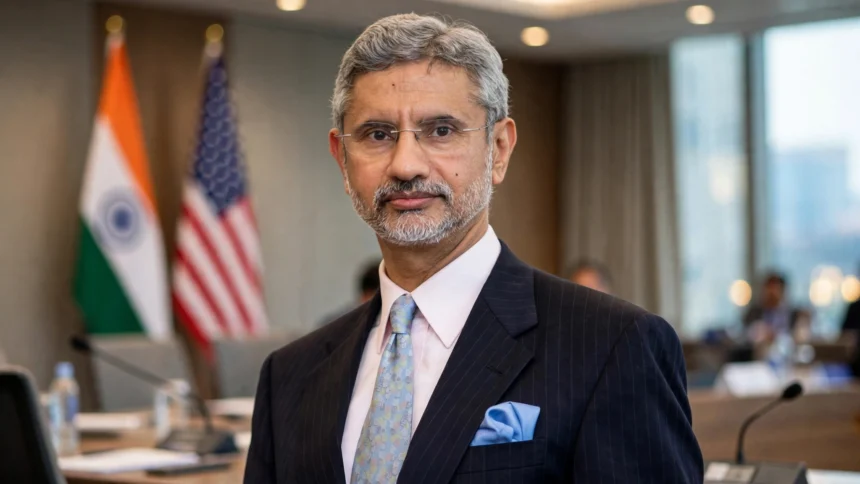
India and the United States are closer than ever to sealing their long-awaited trade deal. External Affairs Minister S Jaishankar said on Saturday that the two countries have sorted out most of the issues, including tariff lines, and the negotiations are now at the finishing line. The deal, he said, could be sealed soon as talks continue over the last stretch of concerns.
Jaishankar was speaking at the HT Leadership Summit in New Delhi, and his remarks are the clearest official signal yet that the pact is near conclusion. The timing matters. Prime Minister Narendra Modi is expected to meet US President Donald Trump on the sidelines of the ASEAN and East Asia summits in Manila on November 16 and 17, and speculation is already building that the two leaders could take the deal forward when they meet again at the G20 Summit in Miami on December 14 and 15.
What Jaishankar actually said
The minister was direct. “It is certainly our hope, and in many ways anticipation, that we are at the last stretch,” he said, adding that the negotiations are approaching the finishing line. Most outstanding issues have been resolved, and the rest are being worked through.
Jaishankar also made it clear where the remaining friction lies. In many cases, he said, the concerns are “not so much at our end”, because the changes have been more on the American side than on the Indian side. The message was plain: India has done most of its part, and it is now waiting for Washington to close the remaining gaps.
He underlined what India wants: a deal that is beneficial and balanced, giving Indian goods a comparative advantage over those of comparable economies. The tariff-line-by-tariff-line approach, he said, was deliberate, because the details of market access matter as much as the headline.
Why the timing matters
The next few weeks are crowded with meetings that could decide the deal. Modi meets Trump in Manila on November 16 and 17, on the sidelines of the ASEAN and East Asia summits. Trump is also expected to meet Xi Jinping and Vladimir Putin at the APEC summit in Shenzhen next week.
Then comes the G20 leaders’ summit in Miami on December 14 and 15, which Trump will chair. There has been speculation that the two leaders may announce the deal on its sidelines, and reports suggest the first tranche could be concluded by March next year.
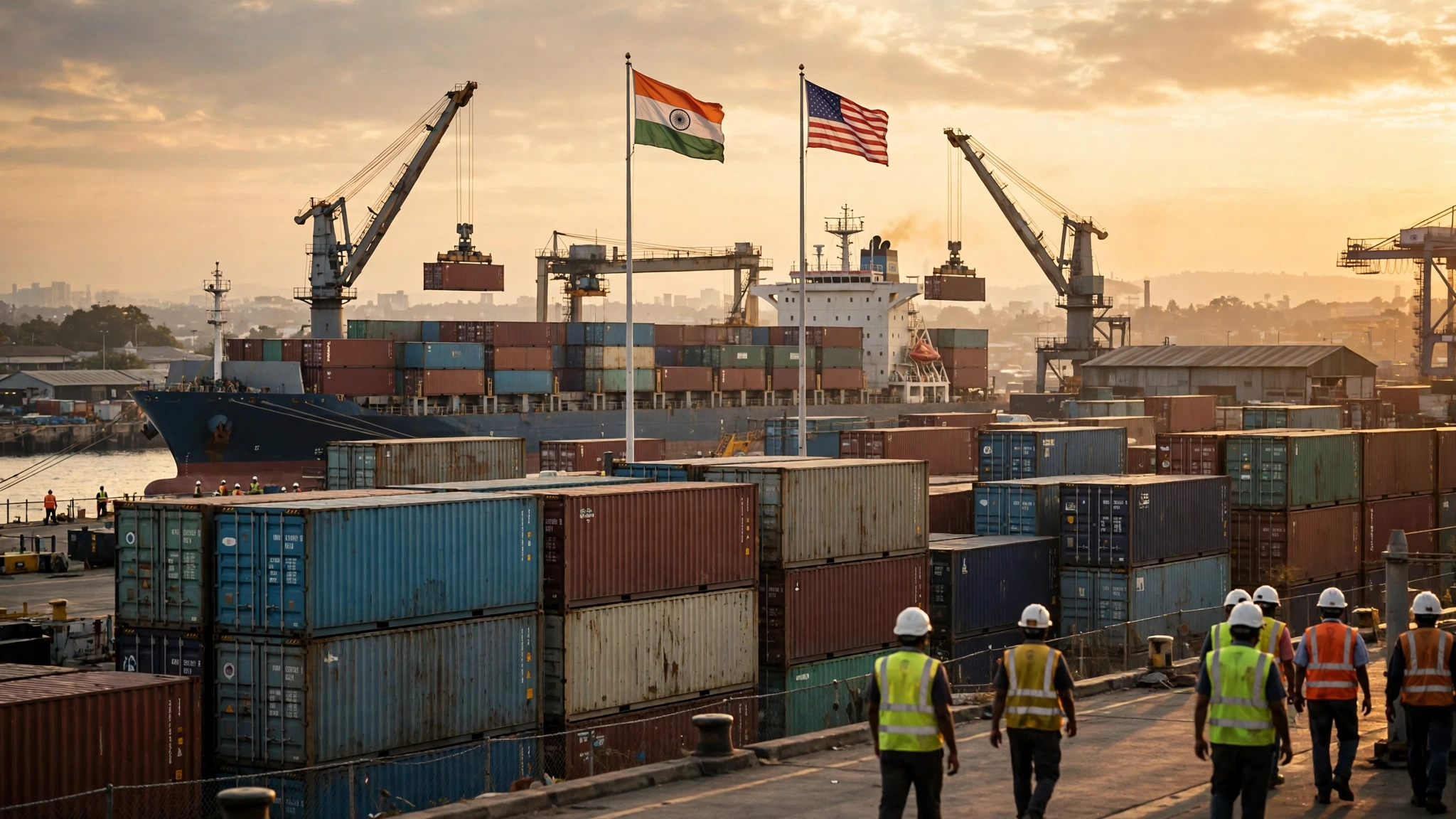
For Indian exporters, the stakes are high. The talks are meant to address tariff friction, remove non-tariff barriers and boost market access on both sides. A deal would give Indian goods clearer terms in the world’s largest market at a time of shifting supply chains.
A long road to the finish line
The negotiations have been running since early 2025. India and the US finalised a framework for the first phase of the bilateral trade agreement in February, following a phone call between Prime Minister Modi and President Trump. Since then, teams on both sides have worked through the details, product by product.
Last month, US Secretary of State Marco Rubio said in Mumbai that both sides were very close to firming up the deal. Jaishankar’s remarks carry the same message, only stronger: the bulk of the work is done.
Jaishankar also spoke about the wider relationship. In his first comments on the US mid-term polls, he said there is a bipartisan consensus in the US on the defence, security and technology relationship with India. On China, he said India’s border has become “more alive” and needs a much greater sustained troop commitment, along with upgraded border infrastructure.
What happens next
No completion date has been announced, and the agreement is not yet formally concluded. The next signals are likely from Manila this week and the G20 summit in December. If the last issues are resolved, the first tranche could be wrapped up in the coming months.
FAQs
What is the India-US trade deal?
It is a proposed bilateral trade agreement between India and the United States, meant to address tariff friction, remove non-tariff barriers and improve market access for goods on both sides.
When could the trade deal be signed?
No official date has been announced. Jaishankar said the deal could be sealed soon, and reports suggest the first tranche could be concluded by March next year, possibly after talks at the G20 Summit in December.
What does India want from the deal?
India wants a deal that is beneficial and balanced, giving Indian goods a comparative advantage over those of comparable economies, with market access settled tariff line by tariff line.
What issues are still pending?
A small set of concerns remains, and Jaishankar said many of them are on the American side rather than India’s. The details have not been made public.
What happens next?
Modi is expected to meet Trump in Manila on November 16 and 17, and again at the G20 Summit in Miami on December 14 and 15. Those meetings are seen as the next big moments for the deal.
India and the US have spent nearly two years working on this agreement. If the finishing line Jaishankar described is real, the wait may soon be over.