New Delhi is hosting a high-stakes conversation this week about the tiny chips that power almost everything today, from phones and cars to data centres and defence systems. The ISIG Executive Summit India 2026 opened in the capital on Tuesday, 3 November, bringing global semiconductor leaders, investors and policymakers together for two days of hard talk about where India fits in the world chip supply chain.
The summit, organised by the International Semiconductor Industry Group (ISIG), runs on 3 and 4 November at The LaLiT, New Delhi, according to the organisers. It is an executive-level meeting, and the people in the room decide where fabs and packaging plants get built.
India arrives with momentum. As of July 2026, the Ministry of Electronics and Information Technology (MeitY) says 12 semiconductor units have been approved, with investment commitments of more than Rs 1.64 lakh crore, spanning fabrication, display manufacturing and advanced packaging. In July, the Union Cabinet also approved Semicon 2.0, with an outlay of Rs 1,27,500 crore, to deepen capabilities in design, manufacturing, packaging, research, equipment, materials and talent.
Why packaging and power electronics are the focus
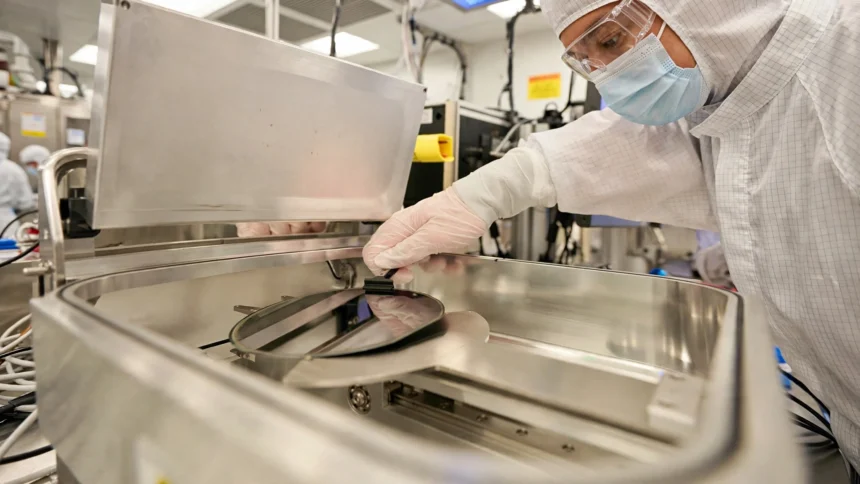
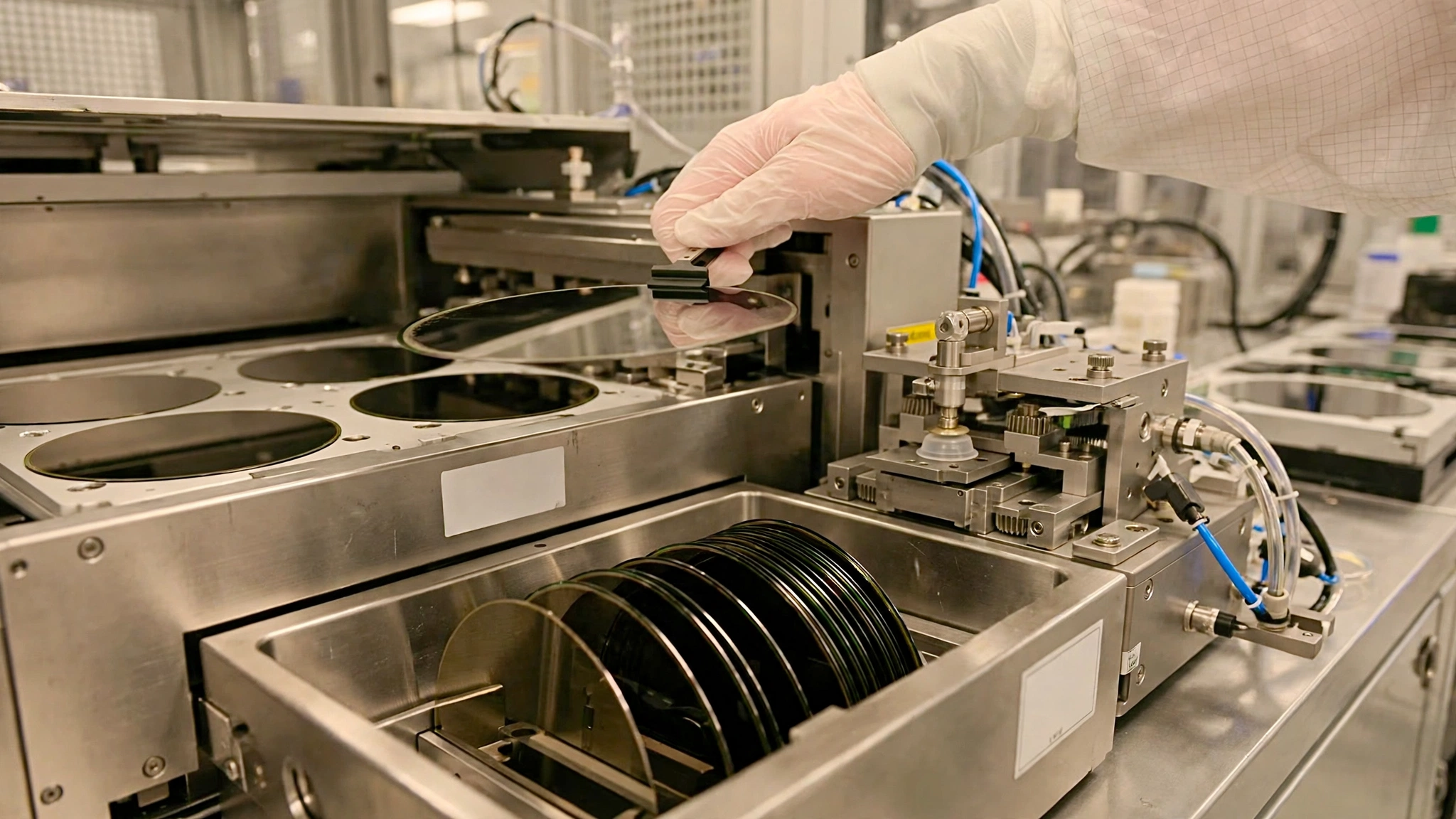
Advanced packaging was once treated as a back-end job, the last step before a chip ships. That view has changed completely. With artificial intelligence (AI) workloads and high-performance computing pushing chips to their limits, packaging now shapes performance itself. Technologies such as chiplets and multi-die integration let engineers combine different pieces of silicon into one powerful package, making packaging a front-line technology, not an afterthought.
Power electronics tells a similar story. Electric vehicles, solar inverters and AI data centres all depend on power chips that handle high voltages efficiently. Wide-bandgap materials such as silicon carbide (SiC) and gallium nitride (GaN) are central here, because they work at higher temperatures and voltages than traditional silicon.
Speaking ahead of the summit, ISIG CEO and co-founder Salah Nasri said India is no longer a future chapter in the global semiconductor story, it is a present one, and the opportunity lies in turning ambition into partnerships. ISIG India president Santosh Kumar, also CEO of Paras Semiconductors, stressed that India must build domestic capabilities and move towards higher-value work.
Who is in the room
The guest list underlines how seriously global industry is taking India. Organisations taking part include UCLA, Georgia Institute of Technology, imec, Infineon, Mitsubishi Electric, Renesas, Nexperia, Navitas, Marvell, Sandisk, GlobalFoundries, Yole Group and AT&S, alongside Indian industry leaders.
On the government side, participation from the India Semiconductor Mission (ISM), the Semiconductor Laboratory (SCL), representatives from Madhya Pradesh and Tamil Nadu, and Invest India signals an industry-government conversation, not just a corporate event.
India has one clear advantage: design talent. According to MeitY, India accounts for nearly 20 percent of the global chip-design workforce. The challenge is converting that design strength into manufacturing strength, so more of the value chain sits in India.
What the two days will cover
- Advanced packaging and OSAT: outsourced semiconductor assembly and test, chiplets and multi-die integration.
- Power electronics: silicon carbide and gallium nitride for EVs, renewables and industrial uses.
- Chip design, materials and equipment: the upstream capabilities that sustain fabs and packaging plants.
- Investment and supply chains: talent, infrastructure and resilient domestic and global supply chains.
- AI and data centre demand: how surging demand for memory, connectivity and power management is reshaping capacity needs.
Dr Shalu Agarwal, ISIG general manager for India and head of power semiconductor, said investments in design, packaging, testing and reliability will be essential as EVs, renewables and AI data centres scale up.
What this means for India
Semiconductors are no longer just a technology story. They are a supply-chain security story too: the pandemic-era chip shortage showed what happens when a handful of geographies control most production, and the United States, Taiwan, Japan, South Korea, China and now India have all moved to build or protect domestic capacity.
India is late to manufacturing compared with those hubs, but it is not starting from zero. Approved units, a large design workforce and Semicon 2.0 give it a credible base. What Delhi adds is direct conversation between global leaders, Indian companies, investors and policymakers about moving projects from announcement to production.
ISIG says it will return for the next edition on 30 November to 1 December 2027. For now, all eyes are on the next two days in New Delhi, and on whether the talks turn into concrete partnerships.
FAQs
What is the ISIG Executive Summit India 2026?
It is a two-day executive summit organised by the International Semiconductor Industry Group, held in New Delhi on 3 and 4 November 2026, focused on India’s semiconductor ecosystem.
What topics are being discussed?
Advanced chip packaging, outsourced semiconductor assembly and test (OSAT), power electronics, wide-bandgap technologies such as silicon carbide and gallium nitride, chip design, materials and equipment.
How many semiconductor units has India approved?
According to MeitY figures cited by the organisers, 12 semiconductor manufacturing units had been approved as of July 2026, with investment commitments of more than Rs 1.64 lakh crore.
What is Semicon 2.0?
It is the next phase of the Semicon India Programme, approved by the Union Cabinet on 15 July 2026 with an outlay of Rs 1,27,500 crore, covering design, manufacturing, packaging, research, equipment, materials and talent.
Stay with Informeia for technology and business news from India and around the world.