India’s retail inflation climbed to 6.09 per cent in October, its highest level in two years, breaching the Reserve Bank of India’s upper tolerance limit of 6 per cent for the first time since October 2024. The data, released by the Ministry of Statistics and Programme Implementation on Thursday, puts fresh pressure on the central bank just weeks before its next policy decision.
The consumer price index rose from 5.54 per cent in September, a jump of 55 basis points in a single month. The reading also came in slightly above market expectations of around 6 per cent. Food prices were the main culprit, and the surge leaves households paying noticeably more for everyday essentials than they did a year ago.
Food prices did the damage
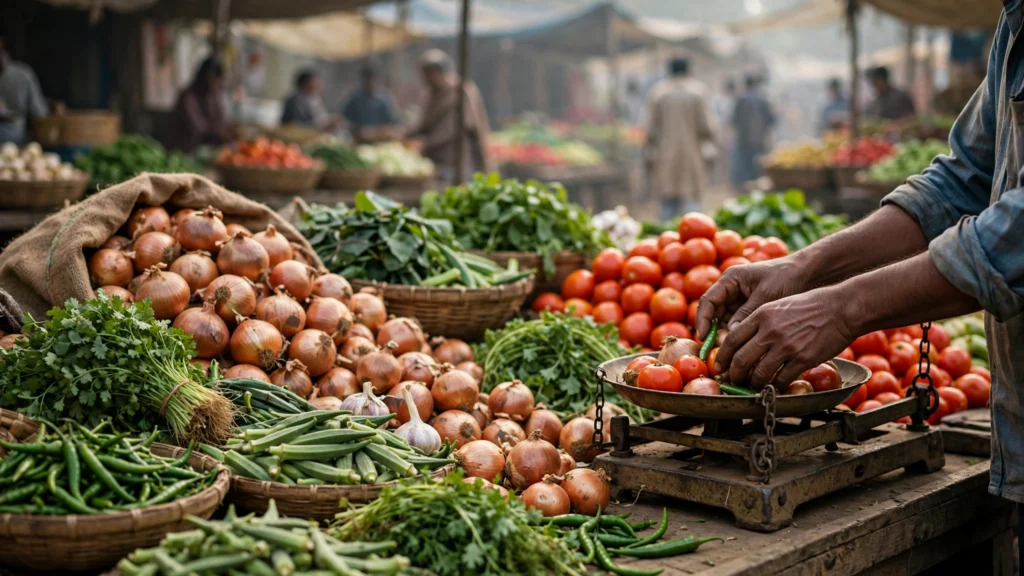
Food inflation, measured by the Consumer Food Price Index, accelerated to 8.94 per cent in October from 7.74 per cent in September. That is well above the 8.5 per cent that economists had pencilled in. Vegetables, pulses and other kitchen staples drove the increase, and the pressure was visible across both cities and villages.
Rural food inflation stood at 9.09 per cent, compared with 8.68 per cent in urban areas. Overall inflation in rural India rose to 6.63 per cent from 6.08 per cent in September, while urban inflation climbed to 5.41 per cent from 4.88 per cent. The gap shows that the price pinch is hitting village households harder, where food takes up a bigger share of the monthly budget.
Why the 6 per cent line matters
The Reserve Bank is mandated to keep retail inflation at 4 per cent, within a tolerance band of 2 to 6 per cent. A print above 6 per cent is not just a number on a chart. It is the line the central bank is legally expected to stay under, and crossing it puts its inflation targeting framework under the spotlight.
The last time inflation crossed the threshold was October 2024. Since then it had stayed inside the band, which gave the central bank room to focus on growth. That comfort is now gone, at least for this month, and the question is whether October was a one-off spike or the start of a stickier phase.
What it means for interest rates
The timing could hardly be more important. The RBI’s monetary policy committee meets from December 2 to 4, and the October reading is the last inflation data it will have before announcing its decision on December 4.
In October, the central bank raised its benchmark repo rate by 25 basis points to 5.50 per cent, its first increase in nearly four years, and shifted its stance to calibrated tightening. With inflation now above the tolerance band, economists expect another 25-basis-point hike in December. The central bank has itself projected inflation at 6 per cent for the third quarter of the current financial year, so the October print sits right at the edge of its own forecast.
A further hike would mean costlier loans for homebuyers and businesses, but the RBI has signalled that containing price pressures comes first. Savers, on the other hand, could see slightly better returns on fixed deposits if banks pass on higher rates.
What to watch next
- November inflation data, due on December 14: it will show whether the October spike is cooling or spreading.
- The RBI’s December 4 decision: the market is now pricing in another rate hike, but the committee’s commentary on food prices will matter as much as the rate itself.
- Food prices in the coming weeks: vegetable prices, which drove much of the October surge, can swing quickly with arrivals in wholesale markets.
- The rupee and crude oil: a weak currency and high oil prices add to imported inflation and were flagged by the RBI as risks in October.
For now, the message from the data is plain. Prices are rising faster than they have in two years, food is leading the way, and the central bank’s next move in December has become the most watched event on the economic calendar.
FAQs
What is India’s retail inflation in October 2026?
Retail inflation, measured by the consumer price index, rose to 6.09 per cent in October 2026 from 5.54 per cent in September, according to data released by the Ministry of Statistics and Programme Implementation on November 12.
Why does the 6 per cent level matter?
The RBI is mandated to keep inflation at 4 per cent within a band of 2 to 6 per cent. The October reading is the first breach of the 6 per cent upper limit in two years.
What drove inflation higher in October?
Food prices were the main driver. Food inflation rose to 8.94 per cent from 7.74 per cent in September, with rural food inflation at 9.09 per cent and urban food inflation at 8.68 per cent.
Will the RBI raise interest rates in December?
Economists expect another 25-basis-point hike when the monetary policy committee announces its decision on December 4. The October data is the last inflation reading the committee will see before that meeting.
When is the next inflation data due?
The November consumer price index data is scheduled for release on December 14.
Inflation data: Ministry of Statistics and Programme Implementation. Policy details: Reserve Bank of India.