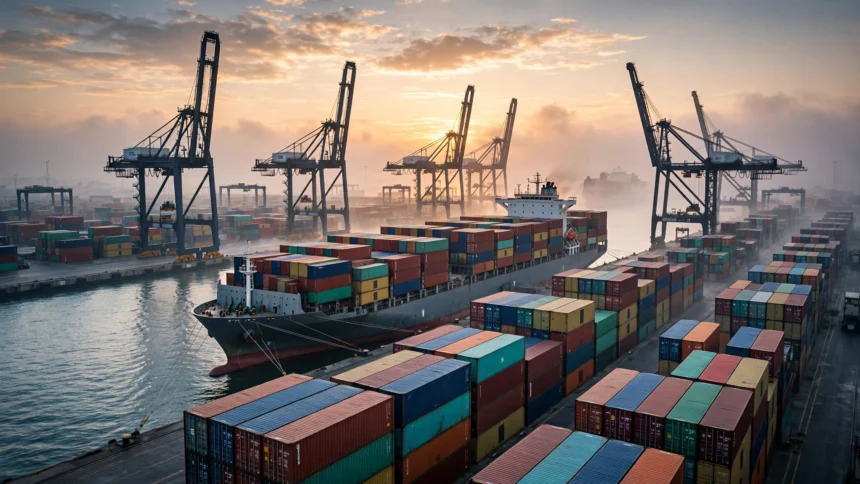
New Delhi is fast becoming the favourite stop on the global capital trail, and this time the visitors are coming from the Nordic north. A year after the India-EFTA Trade and Economic Partnership Agreement came into effect, industry watchers say Norwegian investors are lining up for a serious play in India, drawn by the economy’s 6.5 per cent growth run and a market that is expected to become the world’s third largest before the decade ends.
The pitch is simple: Norway brings deep pockets, clean-tech know-how and decades of experience in capital-intensive industries, while India offers scale, a young workforce and policy momentum. Together, the two sides see a corridor that could stretch well beyond bilateral trade.
A pact with a $100 billion promise
The India-EFTA TEPA, which came into force in October 2025, is the first trade deal of its kind where India’s European partners have formally committed to promote investment: $100 billion over 15 years, expected to support one million direct jobs in India. The agreement covers Switzerland, Norway, Iceland and Liechtenstein, and industry experts now describe it as a framework that is finally turning paper commitments into boardroom conversations.
According to an EY India outlook widely cited this week, India’s GDP growth is projected to stay around 6.5 per cent annually through 2030. Analysts point to strong domestic consumption, rising private investment, an infrastructure push and reforms aimed at making business easier as the four engines carrying that forecast.
Where Norwegian money wants to go
The shopping list from Norwegian industry circles is long, and it reads like a map of India’s own growth priorities:
- Manufacturing: from industrial equipment to high-value components, riding the Make in India wave.
- Renewable energy: solar, wind and offshore wind, where Norwegian firms have deep technical experience.
- Infrastructure: ports, logistics and smart-city projects tied to India’s building boom.
- Financial services and fintech: digital payments and lending platforms in one of the world’s most digitised economies.
- Maritime and seafood processing: natural fits given Norway’s shipping and fisheries heritage.
- Information technology and advanced manufacturing: including green industrial processes.
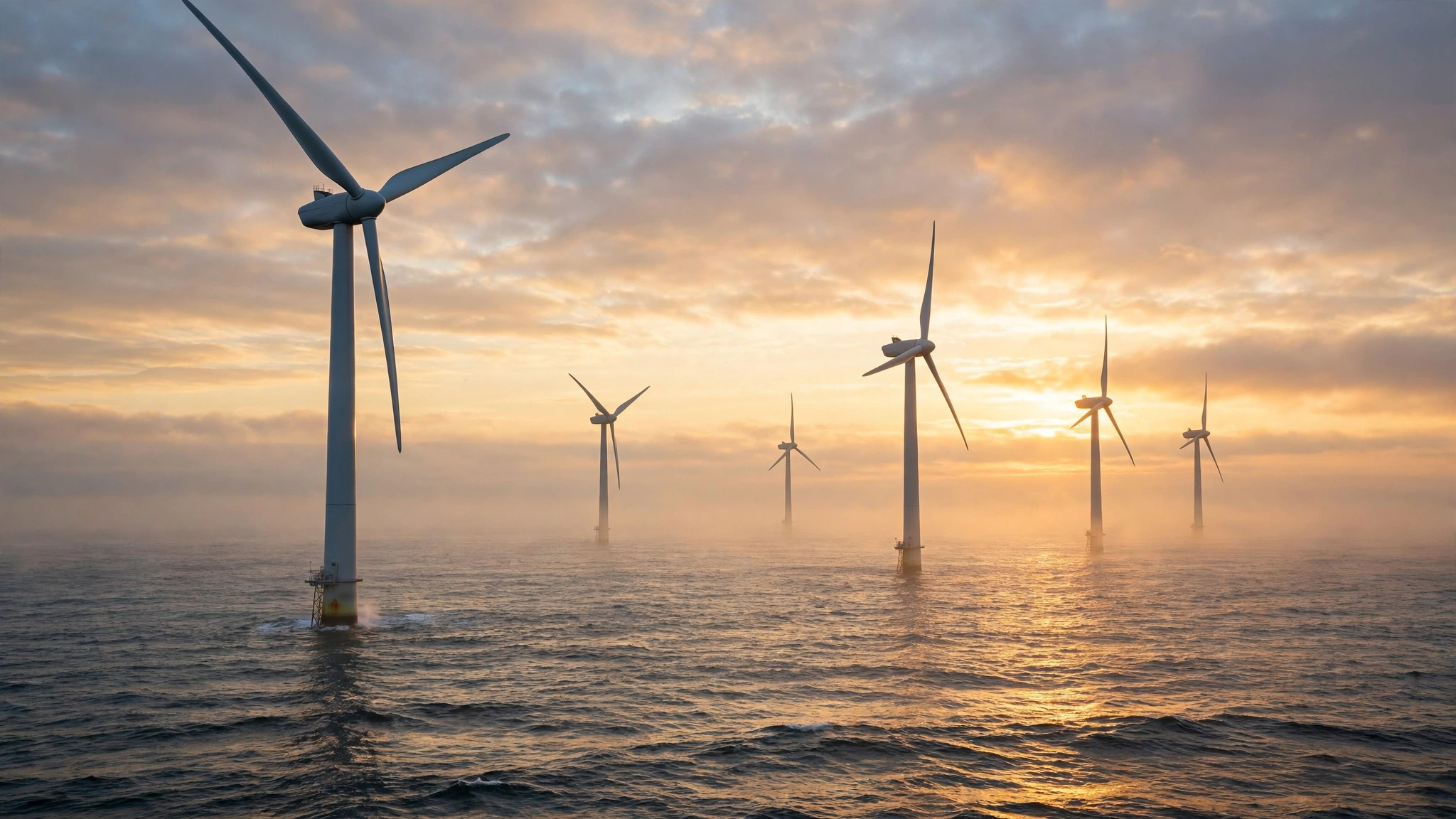
The logic is that Norwegian companies can combine their technology, sustainability standards and long-horizon capital with India’s market depth and cost advantages. For Indian firms, the pact opens doors to European supply chains, co-production and technology transfer in areas such as offshore wind and green shipping.
Why the timing clicks
Global capital is in a restless phase. With trade routes being redrawn and supply chains looking for stable, large-scale homes, India has been quietly climbing the shortlist of every serious investor. The TEPA gives Norwegian businesses something they rarely get in a trade deal: a structured, monitored pathway for investment, not just tariff relief.
The early signals are encouraging. Trade officials on both sides have pointed to a pipeline of interest in clean energy and industrial ventures, and business delegations have been shuttling between Oslo and New Delhi with increasing frequency over the past few months.
What to watch next
The real test of the pact is implementation. Investors will be watching how quickly promised facilitation measures translate into smoother approvals, clearer rules and faster project execution on the ground. If the first wave of Norwegian projects lands cleanly, the $100 billion commitment could start looking like a floor rather than a ceiling.
For now, the message from industry is clear: India has the growth, Norway has the capital and expertise, and the trade pact has given both sides a reason to move faster.
FAQs
What is the India-EFTA TEPA?
It is the Trade and Economic Partnership Agreement between India and the European Free Trade Association (Switzerland, Norway, Iceland and Liechtenstein), in force since October 2025, pairing trade liberalisation with a $100 billion, 15-year investment commitment.
Which sectors interest Norwegian investors most?
Manufacturing, renewable energy, infrastructure, financial services, fintech, maritime services, seafood processing and advanced technologies.
How many jobs could the pact create?
The agreement targets one million direct jobs in India over 15 years through the committed investments.
How fast is India’s economy expected to grow?
An EY India outlook projects GDP growth of around 6.5 per cent a year through 2030, which would make India the world’s third-largest economy by the end of the decade.
Follow Informeia for more coverage of India’s trade deals and the global capital flowing into the economy.