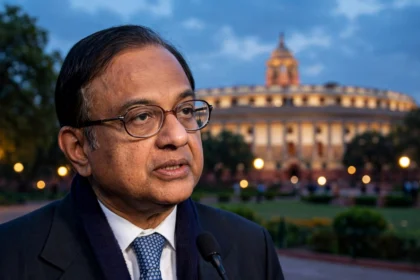
The Supreme Court on Wednesday handed Leader of the Opposition Rahul Gandhi relief, setting aside the Allahabad High Court orders that had directed the CBI and the ED to verify allegations that he owns assets disproportionate to his known sources of income. The matter goes back to the High Court for a fresh hearing, and this time Gandhi will be heard before any order is passed.
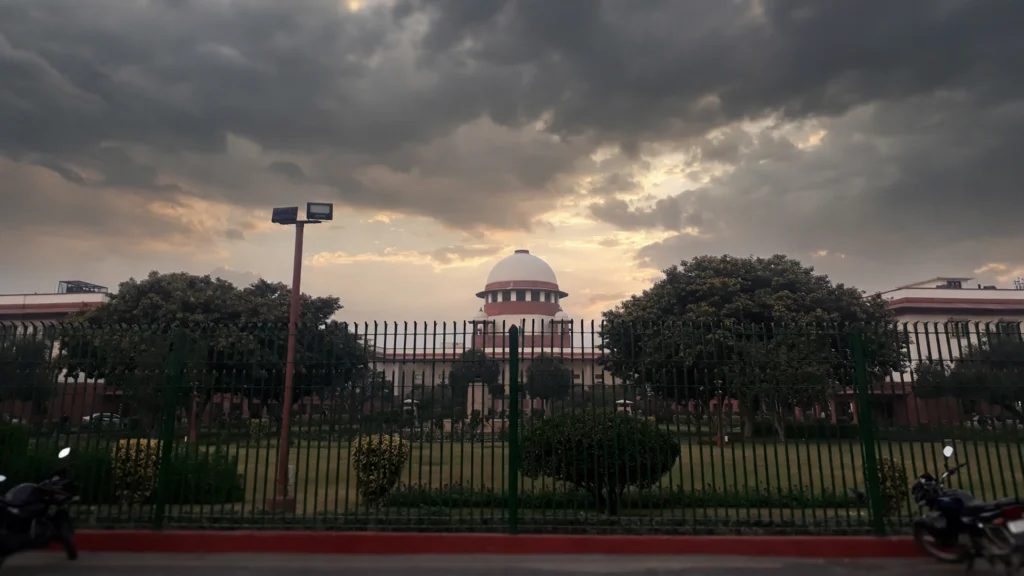
A three-judge bench led by Chief Justice of India Surya Kant, with Justices Joymalya Bagchi and V Mohana, said all the orders passed by the High Court stand set aside. The Chief Justice of the Allahabad High Court will now constitute a fresh bench to hear the case from the beginning in open court.
What the Supreme Court decided
The bench kept every contention open, including whether the original writ petition was maintainable at all. It directed that Vignesh Shishir, the petitioner before the High Court, must make Rahul Gandhi a party to the case, so Gandhi gets a full opportunity to argue against it, including on maintainability and on the petitioner’s standing to raise these issues.
Gandhi’s transfer petition, seeking to move the proceedings to the Delhi High Court, was disposed of without being granted. The case stays with the Allahabad High Court.
The case so far
The petition was filed by Vignesh Shishir, a Karnataka-based BJP member. He alleged that Gandhi owns assets beyond what his known sources of income can explain, and claimed Gandhi had spent Rs 60 crore on foreign trips. The Allahabad High Court passed orders in May directing the CBI and the ED to verify the allegations, and on July 20 said the CBI affidavit did not adequately explain the progress made.
Gandhi challenged the High Court orders before the Supreme Court. On August 17, the top court barred the CBI, the ED and any other authority from filing any report before the High Court, and directed it to defer the proceedings. Senior advocate Kapil Sibal, appearing for Gandhi, had argued that the High Court adopted a process completely unknown to law, passing its orders without even seeking Gandhi’s response.
Why the court intervened
The central reason was the one-sided nature of the High Court proceedings. The Supreme Court principally set aside the order because of its ex parte nature, holding that not giving Gandhi an opportunity to counter the allegations breached the principles of natural justice.
Natural justice is a simple idea at the heart of fair hearings: no one should be judged without being heard. The order does not decide whether the allegations are true or false. It decides only that the process used to examine them was flawed, and that the examination must start again, this time with Gandhi in the room.
What happens next
- The Chief Justice of the Allahabad High Court will constitute a fresh bench to hear the petition.
- The fresh bench will hear the case from the beginning in open court, with Rahul Gandhi impleaded as a respondent.
- The first question will be maintainability: whether a writ petition of this kind can be entertained, and whether the petitioner has standing to file it.
- Only if the petition survives that test will the court examine the allegations about Gandhi’s assets.
Why it matters
This order is about more than one politician’s legal troubles. It sets a clear marker on how courts should handle petitions carrying serious allegations against public figures. When a High Court orders central agencies to verify claims about a person’s wealth, that order alone can damage a reputation, even if the claims later collapse. The Supreme Court has said, in effect, that such an order cannot be passed behind the person’s back.
The timing also gives the order political weight. It came a day before Constitution Day, when the BJP and the Congress were trading charges over constitutional values, and on the same day the Congress held Samvidhan Raksha marches across the country. For the Congress, the relief is a talking point it can carry into that debate. For the BJP, it is a setback but not a defeat: the petition survives, and the High Court will still decide whether it is maintainable.
FAQs
What did the Supreme Court decide in the Rahul Gandhi assets case?
It set aside the Allahabad High Court orders directing the CBI and ED to verify allegations of disproportionate assets against Rahul Gandhi, and sent the case back for a fresh hearing.
Who filed the petition against Rahul Gandhi?
Vignesh Shishir, a Karnataka-based BJP member, alleged that Gandhi owns assets disproportionate to his known sources of income and spent Rs 60 crore on foreign trips.
Why did the Supreme Court quash the High Court order?
Because the High Court passed its orders ex parte, without giving Gandhi a chance to counter the allegations, breaching the principles of natural justice.
Does this mean the allegations have been rejected?
No. The Supreme Court did not rule on whether the allegations are true. It only quashed the process used. The Allahabad High Court will hear the petition afresh, starting with whether it is maintainable.
What happens next in the case?
The Chief Justice of the Allahabad High Court will constitute a fresh bench, which will hear the petition from the beginning in open court, with Rahul Gandhi impleaded as a respondent.
The case now returns to Allahabad, where it will be tested from the start.