Tamil Nadu’s karupatti has crossed an ocean. In the 140th episode of his monthly radio programme Mann Ki Baat on Sunday, November 29, Prime Minister Narendra Modi said organic palmyra jaggery from Erode has reached Europe for the first time, and held it up as proof that India’s traditional foods can compete in premium global markets.
“How can we talk about winter without mentioning jaggery?” the Prime Minister asked listeners, before noting that the first consignment of organic palmyra jaggery powder from Tamil Nadu had gone to Europe this year. “Erode’s organic palmyra jaggery from Tamil Nadu has reached Europe for the first time. It brings together the traditional taste of jaggery and high quality,” he said.
For the farmers and small producers around Erode, the mention is more than a pat on the back. It puts a humble kitchen staple from Tamil Nadu’s villages on a shelf in Europe, with organic certification to match.
A first shipment from Erode to Bulgaria
The consignment at the centre of the story weighed 1.755 metric tonnes. It was flagged off on October 15 from Gobichettipalayam in Erode district and shipped by sea through Chennai Port to Varna in Bulgaria, making it the first export of Indian organic palmyra jaggery powder to Europe.
The shipment was produced and exported by Erode-based Wellbeing Foods in collaboration with Chennai’s Chetty Exports Private Limited. Bulgaria-based Sow Life Ltd is the overseas importer and distributor. The Agricultural and Processed Food Products Export Development Authority, or APEDA, under the Ministry of Commerce and Industry, facilitated the export.
What makes the consignment export-ready is its certification. The powder carries certification under India’s National Programme for Organic Production, known as NPOP, as well as European Union organic standards. That dual certification is what lets a traditional product enter Europe’s premium organic food shelves rather than selling as a generic sweetener.
What makes karupatti special
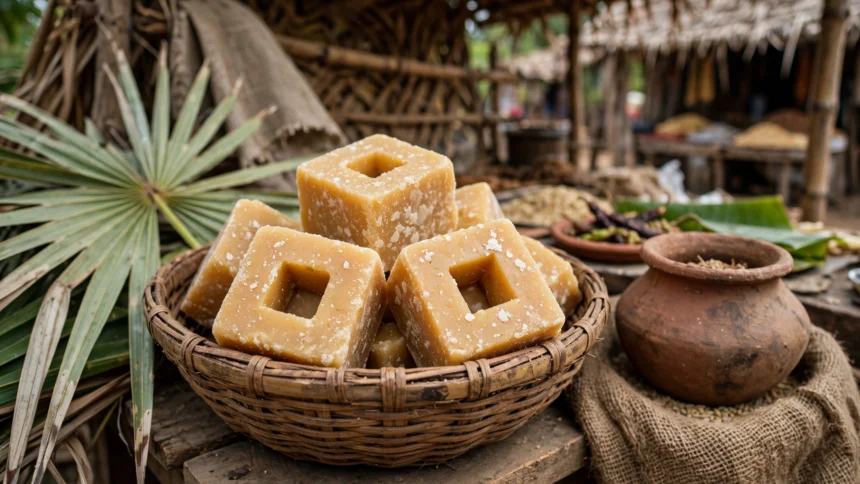
Karupatti is the Tamil name for palmyra jaggery, a traditional sweetener made from the nectar of palmyra palm blossoms. Unlike refined white sugar, which goes through heavy processing, jaggery is unrefined and retains some of the natural minerals present in the plant sap. In Tamil Nadu, it has been a household staple for centuries, used in sweets, drinks and winter recipes.
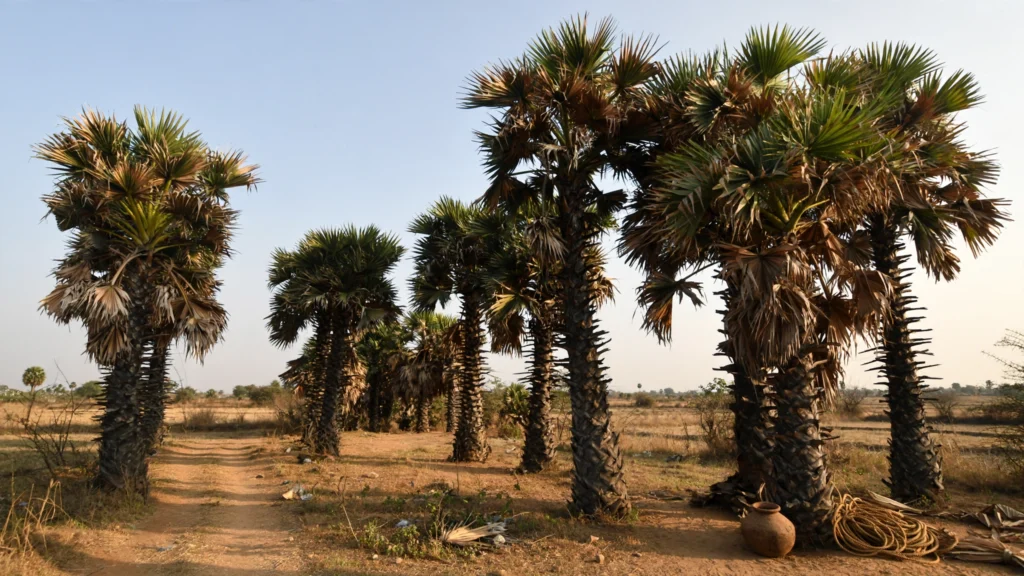
Palmyra palms grow widely across Tamil Nadu, and tapping their blossoms for nectar is skilled, labour-intensive work done by hand. The nectar is collected, filtered and slowly reduced into jaggery, a process that has changed little over generations. That is part of its appeal abroad: buyers in Europe’s organic market pay for traceability, tradition and a clean label, not just sweetness.
The timing of the Prime Minister’s mention was deliberate. Winter is peak jaggery season in Indian homes, and Modi linked the export to the season directly. He also recalled that Mann Ki Baat had earlier spoken about honey and the Sweet Revolution, and said the sweetness of Indian jaggery was now reaching new markets too.
Why it matters
The Bulgaria shipment is small, just 1.755 tonnes, but its significance is not in its size. It is a working proof that a village-level product from Tamil Nadu can clear European organic certification, find a buyer and ship. That opens a door that other producer clusters can walk through, and it gives Erode’s palmyra tappers a reason to organise, certify and scale up.
There is a wider pattern here worth noticing. In the same Mann Ki Baat episode, the Prime Minister said exports of Indian chocolate and cocoa-based products grew by nearly 25 per cent in the last year, and named Schmitten, a brand from Surat, as a Made in India fine chocolate finding a place in the global market. He also spoke about growing camel milk collection in Kutch. The common thread is traditional and local products being repositioned as premium exports rather than sold as cheap commodities.
For readers, the practical takeaway is simple. Products like karupatti earn their premium abroad because they are certified, traceable and tied to a place. If repeat orders follow the Bulgaria shipment, Erode’s producers could see steadier demand and better prices than the local wholesale market offers. The test now is whether the first consignment becomes a regular trade lane, with more districts and more buyers joining in.
From Mann Ki Baat to the market
A mention in Mann Ki Baat has a habit of moving markets for small products. Past episodes have spotlighted honey, millets and local crafts, and each time the attention has brought new buyers and queries for the producers named. The jaggery producers of Erode will be hoping for the same effect this week.
The episode also carried other news for listeners. The Prime Minister said the government’s Sanchar Saathi system has helped avert potential cyber fraud losses of around Rs 5,000 crore, with more than 1,600 institutions including banks, payment apps, telecom companies and police departments connected to the portal.
For now, though, the sweetest news from the 140th episode belongs to Erode. A product that Tamil Nadu’s families have eaten for centuries is now on its way to European tables, and its makers have a Prime Ministerial mention to build on.
FAQs
What is karupatti?
Karupatti is the Tamil name for palmyra jaggery, a traditional unrefined sweetener made from the nectar of palmyra palm blossoms. It is a household staple in Tamil Nadu, especially in winter.
Where did the first consignment of Tamil Nadu jaggery go?
The first export consignment of 1.755 metric tonnes of organic palmyra jaggery powder was shipped from Gobichettipalayam in Erode district through Chennai Port to Varna, Bulgaria, after being flagged off on October 15.
Who exported the jaggery to Europe?
Erode-based Wellbeing Foods produced and exported the consignment in collaboration with Chennai’s Chetty Exports Private Limited. Bulgaria-based Sow Life Ltd is the importer and distributor, and APEDA facilitated the export.
Is the jaggery certified organic?
Yes. The powder is certified under India’s National Programme for Organic Production (NPOP) and meets European Union organic standards, which is what allows it to sell in Europe’s premium organic market.
What else did PM Modi highlight in this Mann Ki Baat episode?
He said Indian chocolate and cocoa-based product exports grew by nearly 25 per cent in the last year, named Surat’s Schmitten chocolate brand, and spoke about growing camel milk collection in Kutch and the Sanchar Saathi system’s role in preventing cyber fraud.
Tamil Nadu’s karupatti has made its European debut. Whether the first shipment becomes a lasting export story will depend on repeat orders, and Erode’s producers will be watching the next few months closely.