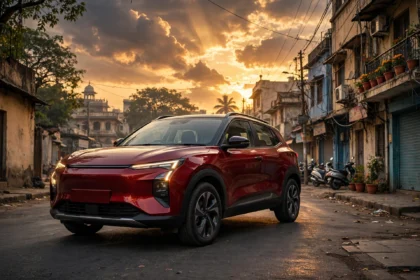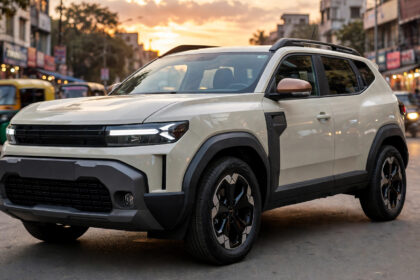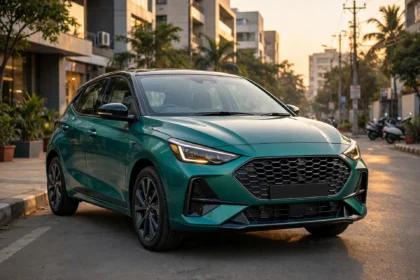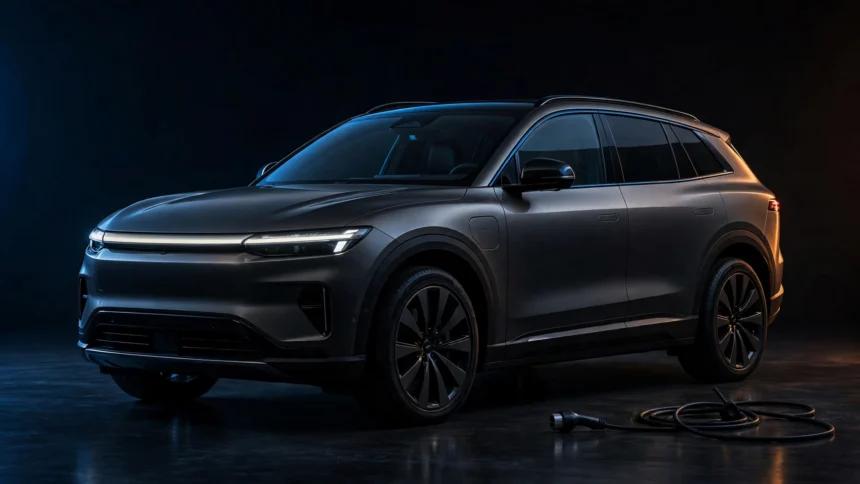
India has a new king of electric cars. Mahindra’s flagship family electric SUV, the XEV 9S, has officially dethroned the MG Windsor EV to become the country’s highest-selling single EV model in 2026, according to sales data for the first nine months of the calendar year.
The numbers tell a clean story. Between January and September, the XEV 9S sold 31,442 units, nudging past the Windsor EV’s 30,744 units. Given their diverging monthly trajectories, the 9S looks set to finish calendar year 2026 as India’s best-selling electric car, a remarkable turnaround for a model that began January with just 612 units.
The numbers behind the crown
The XEV 9S has posted month-on-month gains since its debut. It crossed 4,018 units in June and peaked at 4,636 dispatches in September. The Windsor’s arc has been the mirror image. MG’s crossover peaked in July at 4,659 units, then slid to 3,705 in August and just 3,300 in September, suggesting product fatigue is setting in for a car that was calendar year 2025’s best-selling EV at 46,373 units.
Crucially, the 9S’s rise has not come at the cost of its own siblings. The closely priced five-seater XEV 9e held a steady pattern, logging 16,918 units during January-September 2026, roughly 1,880 units a month. Mahindra has simply grown the whole segment rather than splitting its own pie.
Why families are choosing the 9S
The answer, according to Mahindra’s design chief Pratap Bose, is seating. While the five-seater XEV 9e drew buyers into showrooms, large joint families needed a dedicated six- and seven-seater solution. That design pivot has paid off: the XEV 9S tapped into an unaddressed family-car demand that no rival was serving.
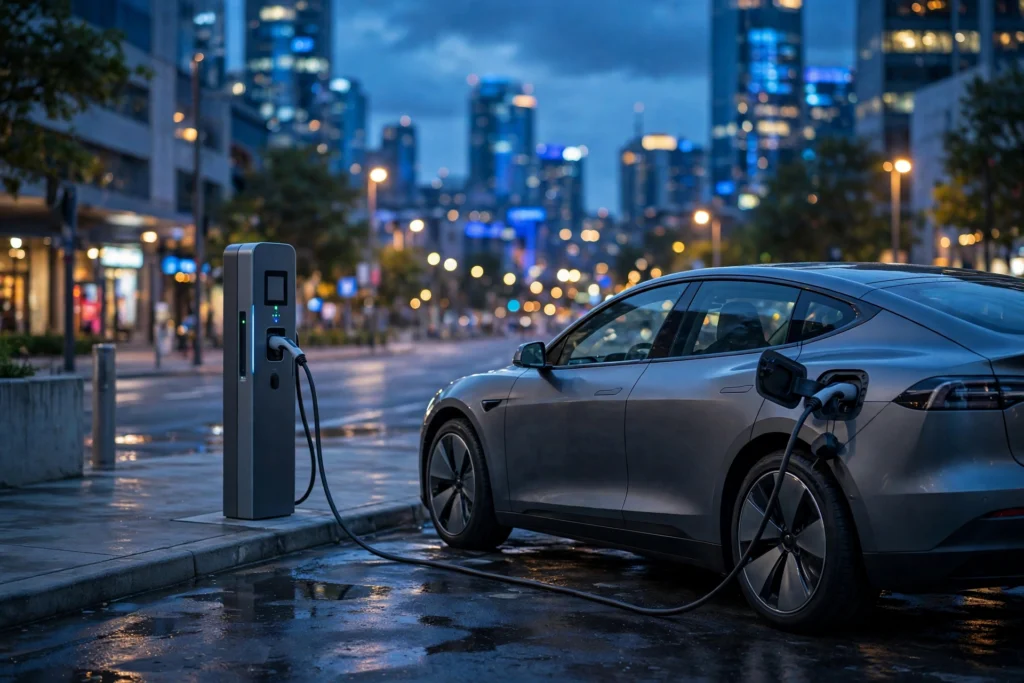
The ownership math is changing too. Lakshmi Ram Kumar Subbaraj, Director of Sales at JSW MG Motor India, told Deccan Herald this week that battery-as-a-service plans, improving charging infrastructure and vehicle buyback programmes are removing the biggest ownership worries for first-time EV buyers, making electric mobility a viable proposition for family budgets.
Windsor’s fade: what went wrong for MG
The Windsor EV’s fall from the top is a textbook case of a strong product meeting a stronger new rival. The crossover’s strengths, easy city driving and a practical interior, haven’t changed. What changed is the market: buyers with a bigger budget and a bigger family now have a dedicated option.
- Product fatigue: MG recently launched the Windsor Indulge Edition with cosmetic enhancements, but styling tweaks alone are unlikely to close the gap.
- Competition intensity: September retail registrations put Tata’s Punch EV on top with 4,666 units, the XEV 9S second with 4,439, and the Nexon EV third at 3,469.
- What’s next: Restoring the Windsor’s top ranking will require a major facelift or powertrain upgrades, not just special editions.
The bigger EV picture is booming
Step back and the story is bigger than one model. Federation of Automobile Dealers Associations data shows electric passenger-vehicle sales nearly doubled to 36,108 units in September, up 17.6 percent over August and roughly double the 18,559 units sold in September last year. SIAM’s September release put overall passenger-vehicle wholesales up 22 percent at 4.54 lakh units.
JSW MG Motor’s Subbaraj expects EV car penetration to double to around 8 to 8.5 percent this financial year from roughly 4 percent last year, driven by new model launches and better charging infrastructure. In August, electric cars outsold strong hybrids nearly five to one, with 36,593 battery-electric dispatches against 7,877 strong hybrids, per Cartoq’s analysis.
SIAM president Shenu Agarwal summed up the mood in the monthly data release, noting that India’s EV ecosystem continues to mature with multiple offerings, improving charging infrastructure and supportive policy measures.
Frequently asked questions
Which is India’s best-selling EV in 2026?
The Mahindra XEV 9S, with 31,442 units sold between January and September, ahead of the MG Windsor EV’s 30,744 units.
How much does the Mahindra XEV 9S cost?
Prices start around Rs 20 lakh (ex-showroom), with battery options of 59, 70 and 79 kWh and a claimed range of up to 679 km. A battery-as-a-subscription plan brings the entry price down to Rs 12.65 lakh plus a monthly battery rental.
Why did MG Windsor EV sales fall?
After peaking in July 2026, Windsor volumes tapered as buyers moved to newer rivals like the XEV 9S and Tata Punch EV. Analysts point to product fatigue rather than any fault in the car itself.
What is driving India’s EV boom?
New model launches, battery-as-a-service pricing, vehicle buyback programmes, expanding charging infrastructure and supportive policies are all pulling buyers in, with penetration expected to cross 8 percent this financial year.
The crown has changed hands, and with the festival season’s momentum behind it, the XEV 9S will be hard to catch. For MG and the rest, the message from buyers is loud and clear: the family has spoken, and it wants seven seats.