Prime Minister Narendra Modi spoke to Ukrainian President Volodymyr Zelenskyy on Monday evening, hours before a fresh round of peace talks on the Ukraine war opens in Abu Dhabi on Tuesday. The call put India firmly in the middle of the diplomacy around the nearly five-year-old conflict, with Kyiv now publicly asking New Delhi to help reopen safe passage for grain ships in the Black Sea.
Zelenskyy said after the conversation that the two leaders had discussed Russia blocking grain exports through the Black Sea, and that India was ready to mediate in establishing food corridors. Modi, in his own post on X, called it a productive telephone conversation and said the two sides had reviewed their wide-ranging bilateral cooperation and agreed to strengthen India-Ukraine ties.
The timing matters. Delegations from Ukraine, Russia and the United States meet in Abu Dhabi on November 10 and 11 for the first direct negotiations in three months.
What the two leaders discussed
According to Zelenskyy, he briefed Modi on the latest diplomatic developments and on Ukraine’s preparations for every item on the Abu Dhabi agenda. The central issue in their conversation, he said, was food security.
“We discussed Russia’s blocking of grain exports via the Black Sea. India is ready to mediate in establishing food corridors, and we are counting on these efforts to continue,” Zelenskyy wrote on X after the call.
It is the first time Kyiv has spoken publicly about an Indian proposal to broker a ceasefire arrangement in the Black Sea, a waterway that has seen repeated attacks on Ukrainian grain shipments since the war began. Zelenskyy added that Russia must show the same readiness to de-escalate.
Modi reiterated India’s firm commitment to contributing in every possible way towards a peaceful resolution. The Prime Minister has said more than once, including directly to the Russian leadership, that now is the time to end the war, not to continue it, a line Zelenskyy himself quoted in his post.
Why the Black Sea grain route matters
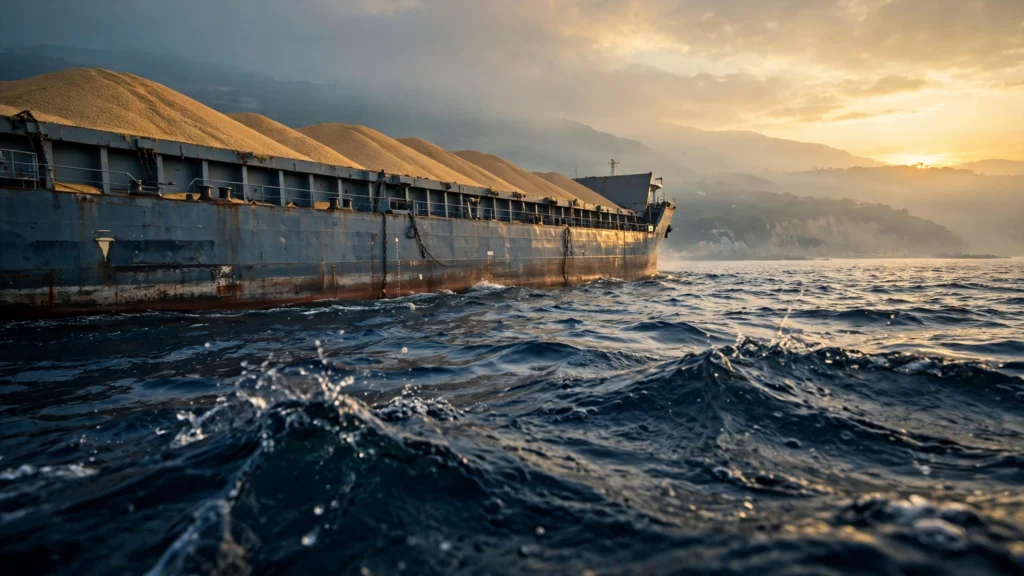
Ukraine is one of the world’s largest exporters of wheat, corn and sunflower oil, and the Black Sea has traditionally been its main shipping route. Disruptions to that route push up food prices far beyond Europe, hitting import-dependent countries across Asia, Africa and the Middle East hardest.
That is why the grain question resonates in New Delhi. India has consistently framed food security as a global concern, and a role in keeping grain moving would give India a concrete stake in the talks. For Ukraine, Indian involvement also carries weight with the Global South, widening its circle of support beyond its Western backers
Jaishankar’s call to Lavrov completes the picture
The Modi-Zelenskyy conversation was not the only call New Delhi made on Monday. External Affairs Minister S. Jaishankar also spoke to Russian Foreign Minister Sergey Lavrov on the same day, reaching out to both sides of the conflict within hours of each other.
Taken together, the two calls are the clearest indication so far of the mediating role New Delhi is now playing between Moscow and Kyiv. India has kept channels open with both capitals throughout the war, and the dual outreach on Monday underlined that balancing act.
What happens in Abu Dhabi
The two-day talks bring together Ukrainian, Russian and American delegations, with US negotiators including Jared Kushner and special envoy Steve Witkoff. American officials briefing journalists on Monday said they saw a real opportunity for progress, while cautioning that reaching an agreement would take time.
The discussions will be divided into two main sessions. The first will focus on monitoring a potential ceasefire and establishing arrangements to prevent either side from using a pause in fighting to rearm. The second is expected to deal with security guarantees, the issue Kyiv has called central to any lasting settlement.
What to watch next
Three things will show whether Monday’s calls made a difference. First, whether the Abu Dhabi talks produce any mention of a Black Sea arrangement. Second, whether Moscow signals any openness to the food corridor idea, the first test of India’s mediation. And third, whether the talks agree on a date for the next round, which would confirm that the process has genuinely restarted.
FAQs
When did Modi speak to Zelenskyy?
The two leaders spoke by telephone on Monday, November 9, 2026, a day before the Abu Dhabi peace talks were due to begin.
What did they discuss?
The Ukraine war, Russia blocking grain exports through the Black Sea, and India’s readiness to mediate in establishing food corridors.
Who else did India contact on Monday?
External Affairs Minister S. Jaishankar spoke to Russian Foreign Minister Sergey Lavrov on the same day, meaning New Delhi reached out to both Kyiv and Moscow within hours.
When are the Abu Dhabi talks?
Delegations from Ukraine, Russia and the United States meet in Abu Dhabi on November 10 and 11, 2026, for the first direct talks in three months.
What is at stake in the Black Sea?
Ukraine is a major global grain exporter, and disruptions to Black Sea shipping push up food prices worldwide, especially in import-dependent countries across Asia, Africa and the Middle East.