
A Delhi fast-track court on Wednesday ordered that charges be framed against 14 people accused in the NEET-UG 2026 question paper leak case, clearing the way for a day-to-day trial that begins on November 25. The order, passed by Special Judge Ajay Gupta at the Rouse Avenue Courts, is the biggest step yet in a case that shook the medical entrance examination this year and left more than 20 lakh aspirants in uncertainty.
The court said there was enough material on record to put all 14 accused on trial. The accused will be produced before the court on November 21 for the formal framing of charges, and the recording of prosecution evidence will start four days later.
Who are the 14 accused?
At the centre of the case are three subject experts who were engaged by the National Testing Agency (NTA), the body that conducts NEET-UG. The CBI has alleged that the three, Manisha Gurunath Mandhare for Biology, Prahlad Vithalrao Kulkarni for Chemistry, and Manisha Sanjay Havaldar for Physics, illegally obtained the confidential question papers and passed them on to private intermediaries and coaching operators in exchange for money.
The other 11 accused are private individuals who, according to the court, were part of the chain that distributed and exploited the leaked material. They include Yash Yadav, Mangilal Biwal, Dinesh Biwal, Vikas Biwal, Shubham Khairnar, Dhananjay Lokhande, Tejas Harshad Kumar, Dr Manoj Shirure, Shivraj Raghunath Motegaonkar, Manisha Waghmare and Sheshrao Bajrang Suryavanshi.
In a 206-page order, Judge Gupta wrote that, prima facie, there is sufficient material against all the accused for framing of charges. The court also noted that the leak affected more than 20 lakh NEET aspirants and caused an unnecessary loss of several crores of rupees to the exchequer.
What charges will they face?
The accused will face charges under several laws at once. These include criminal conspiracy, cheating, criminal breach of trust and destruction of evidence under the Bharatiya Nyaya Sanhita, along with offences under the Prevention of Corruption Act and the Public Examinations (Prevention of Unfair Means) Act, 2024, the anti-paper leak law. Section 63 of the Copyright Act, which deals with infringement of copyright, has also been added.
The three subject experts face the additional charge of criminal misconduct by a public servant, since they were engaged by the NTA and held a position of trust over the confidential papers.
It is important to note what this order does and does not mean. Framing of charges means the court found enough material to hold a trial. The allegations are yet to be proved, and every accused is presumed innocent until proven guilty.
How the case unfolded
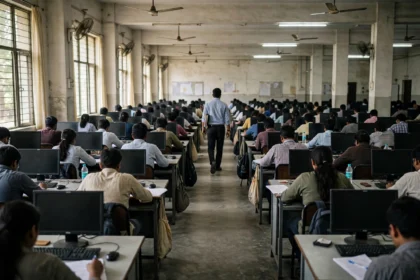
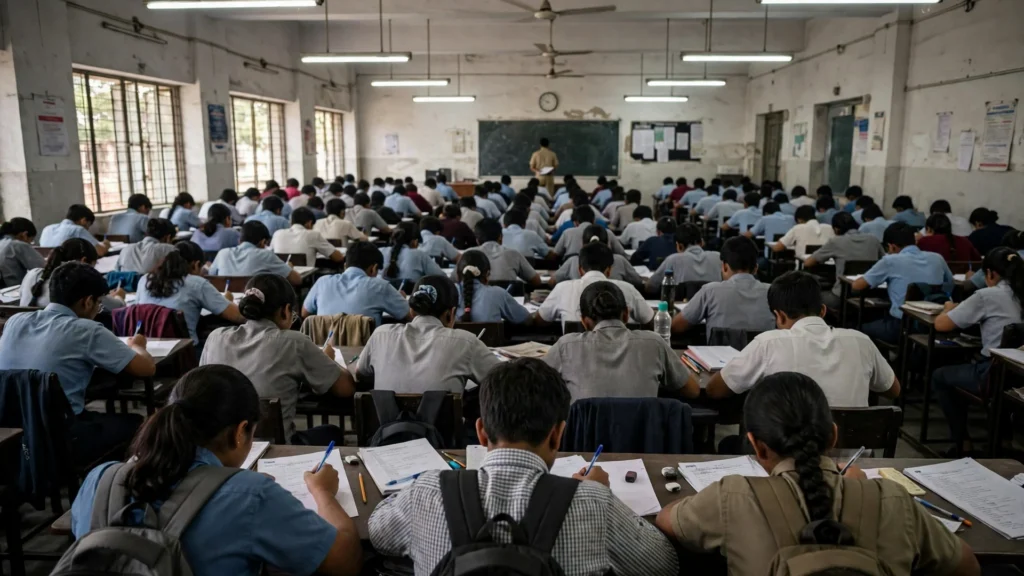
The NEET-UG 2026 examination was held on May 3, with around 22 lakh candidates appearing across the country. Nine days later, the NTA cancelled the examination after the question paper leak came to light.
- May 3, 2026: NEET-UG held for around 22 lakh candidates.
- May 12, 2026: NTA cancels the exam; CBI registers the case on a complaint from the Department of Higher Education.
- July 23, 2026: A dedicated fast-track court is set up in Delhi to hear paper leak cases.
- July 28, 2026: CBI files its first chargesheet against 13 accused.
- August 12, 2026: The court takes cognisance of the main chargesheet.
- September 2, 2026: Sheshrao Bajrang Suryavanshi, the 14th accused, is arrested in Nanded, Maharashtra.
- October 2026: CBI files a supplementary chargesheet against him.
- November 18, 2026: Court orders framing of charges against all 14.
- November 21, 2026: Formal framing of charges.
- November 25, 2026: Day-to-day trial begins.
The CBI case rests on a large body of evidence. The agency has cited 360 witnesses, 422 documents and 43 material objects in its chargesheets, which run to nearly 20,000 pages.
Why it matters
This is the first case to reach trial before the fast-track court created specifically for paper leak matters, so the pace of this trial will be watched as a test of the new system. A day-to-day hearing, if it holds, would be a sharp break from the years-long trials that exam leak cases usually become, and it would send a message to anyone tempted to trade in question papers.
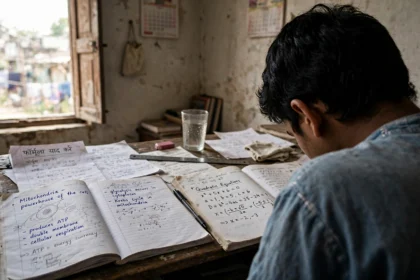
For aspirants, the case is about more than punishment. The leak forced a re-examination, cost students months of preparation and pushed the entire medical admission calendar off track. The trial will also put the NTA’s own safeguards under the microscope, since the alleged leak came from inside the system, through experts the agency itself had engaged, rather than from a breach at a printing press or an exam centre. That detail is what makes this case different from earlier leaks, and it is the reason the Prevention of Corruption Act and the 2024 anti-paper leak law both feature in the charges. If the prosecution proves its case, it will strengthen the argument that insider access, not just outside cheating, is the weak link exam bodies must fix first.
The next dates to watch are November 21, when the charges are formally framed, and November 25, when witness examination begins.
FAQs
What happened in the NEET-UG 2026 paper leak case?
The question paper for the May 3, 2026 examination was allegedly leaked before the test. The NTA cancelled the exam nine days later, and the CBI took over the investigation.
How many people are accused?
Fourteen, including three NTA-engaged subject experts and 11 private individuals accused of distributing the leaked paper.
When does the trial begin?
Charges will be formally framed on November 21, 2026, and the day-to-day trial starts on November 25, 2026, at the Rouse Avenue Courts in Delhi.
What laws are the accused charged under?
The Bharatiya Nyaya Sanhita, the Prevention of Corruption Act, the Public Examinations (Prevention of Unfair Means) Act, 2024, and Section 63 of the Copyright Act.
Does framing of charges mean the accused are guilty?
No. It only means the court found enough material to hold a trial. The charges must still be proved, and the accused are presumed innocent until then.
The trial will now be watched closely by lakhs of medical aspirants and their families, for whom this case is a test of whether exam leaks are met with swift consequences.