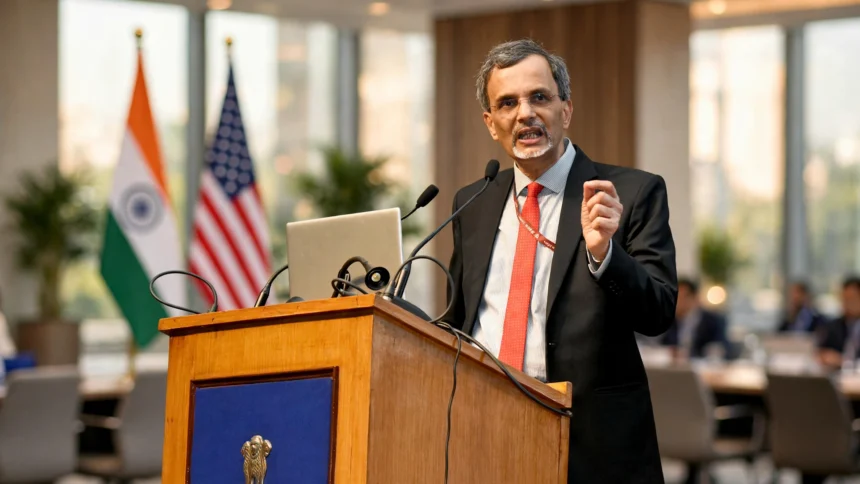
India may finally be near the end of its long and costly trade standoff with the United States. Chief Economic Adviser V. Anantha Nageswaran said on Thursday that the worst of the tariff tensions between the two countries may be over, raising hopes of a bilateral trade agreement in early December.
What the CEA said
Nageswaran was speaking in Mumbai at the 65th General Assembly of the World Federation of Exchanges, hosted by the National Stock Exchange. “In the last few weeks or so, there are signs of this settling down, and if India is able to sign a trade deal with the United States in early December or thereabouts, then this relationship would have settled. In some sense, we may have seen the worst of the unsettled phase behind us,” he said.
Foreign money is returning to Indian markets, he noted. Foreign portfolio investors brought in $11.3 billion in the first 18 days of November, while crude oil below $100 a barrel helped.
How the tariff fight got here
The dispute has hung over the relationship since January 2025, when the United States imposed reciprocal tariffs on Indian goods. Matters worsened in August last year, when Washington added further duties over India’s purchases of Russian crude oil.
The two sides have been negotiating a Bilateral Trade Agreement since February 2025, when Prime Minister Narendra Modi and US President Donald Trump agreed to work towards a deal. An interim framework announced in February 2026 proposed bringing US tariffs on Indian goods down from 50 per cent to 18 per cent.
Then the legal ground shifted. Later in February 2026, the US Supreme Court struck down the emergency reciprocal tariffs, and Washington began working on a replacement tariff framework alongside fresh Section 301 investigations into forced labour and industrial overcapacity.
- January 2025: US imposes reciprocal tariffs on Indian goods.
- August 2025: Washington adds duties over India’s Russian crude purchases.
- February 2026: Interim framework proposes cutting US tariffs from 50 per cent to 18 per cent.
- February 20, 2026: US Supreme Court strikes down the emergency reciprocal tariffs.
- November 19, 2026: CEA says the worst of the friction may be over; a deal is possible in early December.
What still has to happen before signing
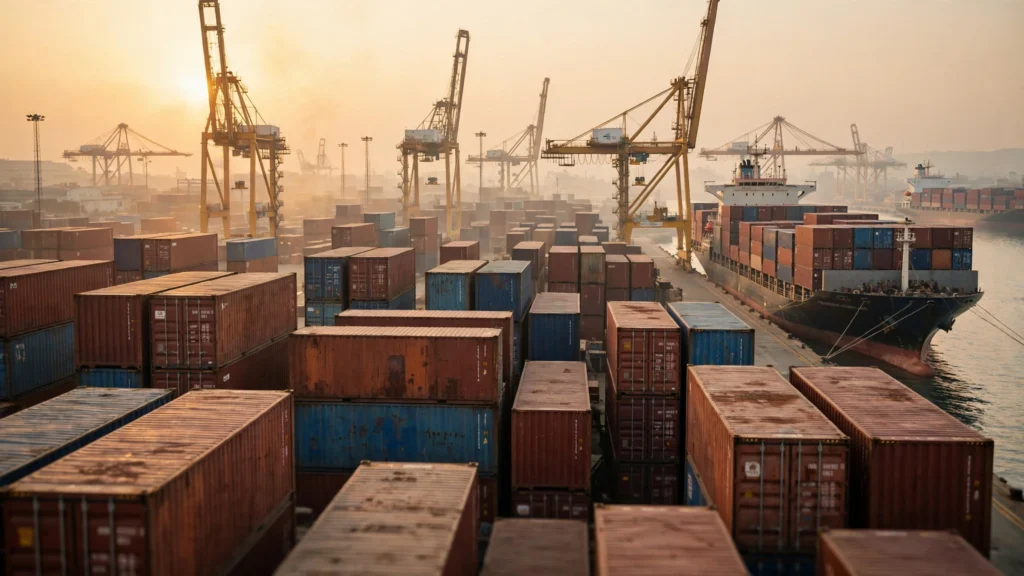
For all the optimism, the deal is not done yet. Commerce Secretary Rajesh Agrawal has said India and the US are near the end of negotiations, but the pact will only be signed after the United States finalises its new tariff architecture and completes the Section 301 investigations. That makes early December a target, not a guarantee, and exporters should treat it as a realistic window rather than a fixed deadline.
Why it matters
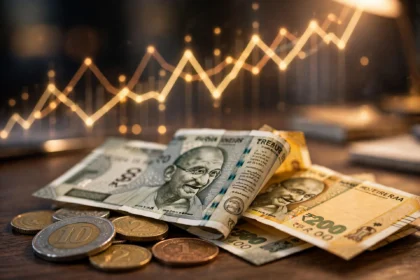
A deal would do more than end a tariff argument. For Indian exporters, the difference between a 50 per cent tariff and an 18 per cent one is losing an order or winning it. Labour intensive sectors such as textiles, gems and jewellery, leather goods and marine products have carried the heaviest burden of the high tariffs, and they are also the sectors that employ the most people.
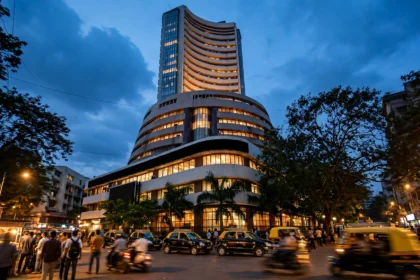
For the wider economy, the timing matters as much as the content. Foreign investors have already voted with their money, pouring more than $11 billion into Indian markets in the first 18 days of November. A signed agreement would lock in that confidence and remove a big question mark over the rally that took the Sensex to a nine month high this week.
There is also a strategic angle. Nageswaran used the same Mumbai address to lay out five challenges India must prepare for on the road to Viksit Bharat 2047, including fractured geopolitics, weaponised shipping routes and AI driven job disruption. Settling the trade dispute would clear the deck for that work. As he put it, closing technology gaps will buy India resilience, but agriculture, trade skills and human centric services will buy it leverage.
Beyond the trade talks, the CEA offered a confident reading of the economy: sustained real GDP growth of about 7 per cent in the six years since the pandemic, around 500 million people moved above the moderate poverty threshold of $4.20 a day, and a current account deficit below 1 per cent. But he warned headline growth alone is not enough unless it reaches the bottom of the pyramid.
Frequently asked questions
When could the India-US trade deal be signed?
Chief Economic Adviser V. Anantha Nageswaran said on November 19 that a deal is possible in early December 2026, though signing depends on the US finalising its tariff framework.
What would the deal change on tariffs?
An interim framework from February 2026 proposed cutting US tariffs on Indian goods from 50 per cent to 18 per cent.
Why were India-US trade ties strained?
US reciprocal tariffs began in January 2025, extra duties over Russian crude purchases followed in August 2025, and the US Supreme Court struck down the emergency tariffs in February 2026.
What are Section 301 investigations?
They are US trade probes under Section 301 of the Trade Act of 1974, covering issues including forced labour and industrial overcapacity.
How have markets reacted?
Foreign portfolio investors put $11.3 billion into Indian markets in the first 18 days of November, and the Sensex touched a nine month high this week.
If the December window holds, Indian exporters could start 2027 with their largest market open again.