New Delhi: The central government’s fiscal deficit reached Rs 7.14 lakh crore in the first six months of 2026-27, accounting for 42.1 per cent of the full-year Budget target, according to data released by the Controller General of Accounts (CGA) on Friday. A year ago, the deficit stood at 36.5 per cent of the annual target at the same stage, and the gap has widened by nearly 25 per cent from about Rs 5.73 lakh crore.
The numbers, covering April to September 2026, are provisional and unaudited, and monthly figures can move with payment timing. For the full year, the government has budgeted a deficit of Rs 16.96 lakh crore, or 4.3 per cent of gross domestic product (GDP). The deficit is the gap between spending and non-debt receipts, bridged mainly through borrowing. The government closed 2025-26 at 4.4 per cent, and holding the new, lower target is its stated fiscal goal.
The headline numbers in one place
- Fiscal deficit: Rs 7.14 lakh crore in April-September FY27, or 42.1 per cent of the Budget Estimate, against 36.5 per cent a year ago.
- Total expenditure: Rs 25.50 lakh crore, or 47.7 per cent of the annual target, up 10.7 per cent from a year earlier.
- Total receipts: Rs 18.35 lakh crore, or 50.3 per cent of the Budget Estimate.
- Net tax revenue: Rs 12.76 lakh crore, or 44.5 per cent of the target, up about 3.8 per cent year on year.
- Capital expenditure: Rs 6.55 lakh crore, or 53.6 per cent of the Rs 12.22 lakh crore annual allocation, up 12.7 per cent.
- Revenue deficit: Rs 1.38 lakh crore, or 23.4 per cent of the Budget Estimate.
Why the gap widened
The story of the first half is simple: spending ran ahead of income. Total expenditure rose 10.7 per cent to Rs 25.50 lakh crore, while total receipts grew by around 6 per cent to Rs 18.35 lakh crore, and revenue receipts inched up 3.6 per cent to Rs 17.57 lakh crore.
Net tax collections rose 3.8 per cent to Rs 12.76 lakh crore, reaching 44.5 per cent of the full-year estimate, slightly better than a year ago. Non-tax revenue stood at Rs 4.81 lakh crore, already 72.2 per cent of its annual target, while non-debt capital receipts more than doubled to Rs 78,602 crore. Revenue expenditure rose 10 per cent to Rs 18.95 lakh crore, led by subsidy payments.
Where the money went: capex and subsidies
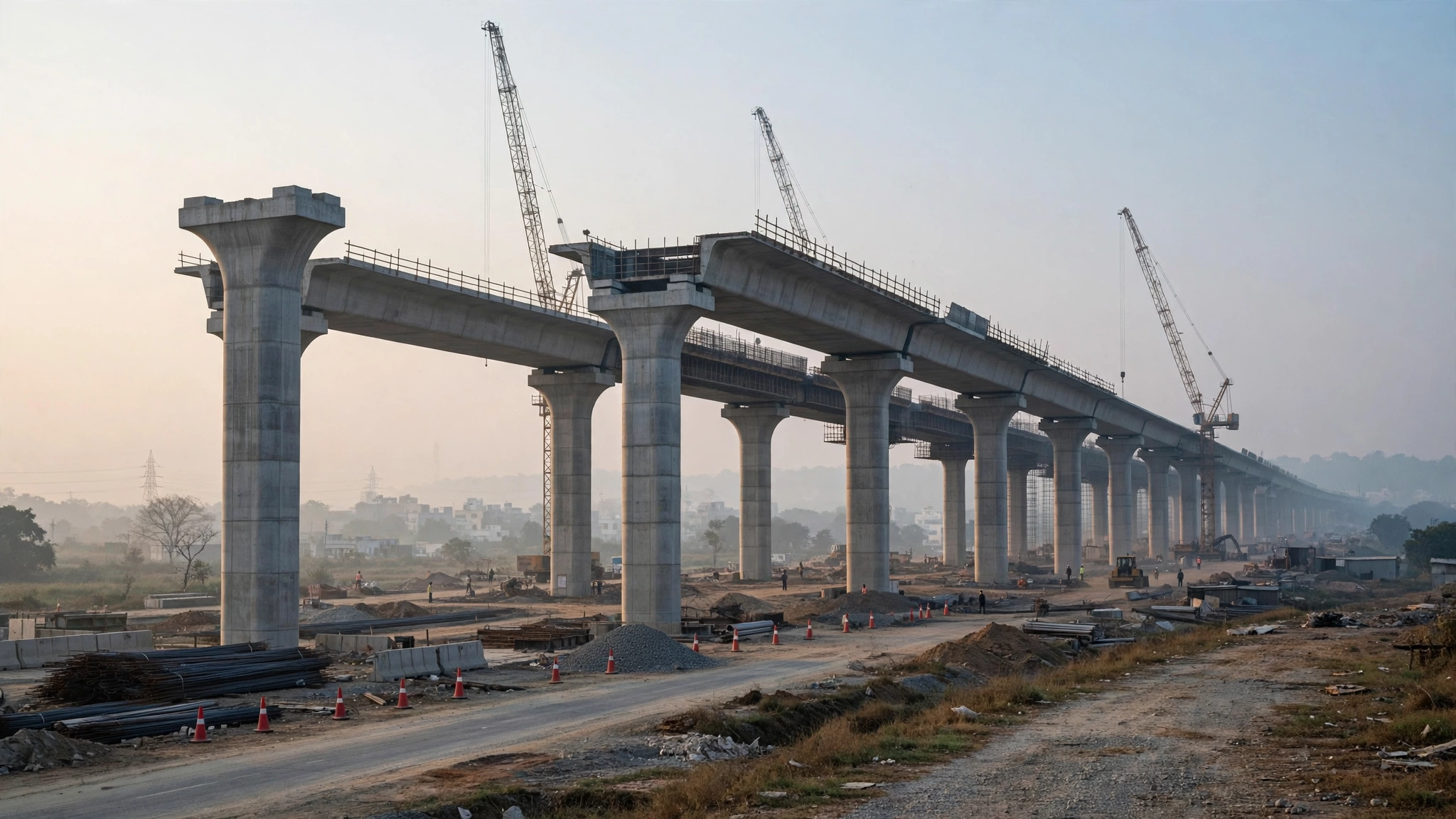
Capital expenditure, the spending that builds assets and supports growth, jumped 12.7 per cent to Rs 6.55 lakh crore, against Rs 5.8 lakh crore a year ago. More than half the annual capex budget is already used, reflecting a front-loaded infrastructure push.
There is a softer note inside that strong figure: capital spending fell about 3 per cent in September alone, the second straight monthly decline after a contraction of around 30 per cent in August.
Subsidies were the other big driver. Spending on major subsidies rose 10.1 per cent to Rs 2.23 lakh crore, or 54 per cent of the annual allocation. Food subsidy spending climbed 16 per cent to Rs 1.03 lakh crore, while combined fertiliser subsidy spending rose 11.2 per cent to Rs 1.19 lakh crore. Petroleum subsidy moved the other way, falling by almost 83 per cent to Rs 1,149 crore.
What it means for the second half
With 42.1 per cent of the deficit target used, the arithmetic alone does not signal a breach. The second half is typically when a large share of tax revenue arrives, and September itself swung to a Rs 4,164 crore deficit from a Rs 25,030 crore surplus a year ago.
The watch points are clear. Tax collections need to gather pace, capital spending needs to recover from its August and September dips, and the subsidy bill, already 54 per cent used, leaves limited headroom if food and fertiliser prices stay high. Some economists quoted in coverage of the data flagged that meeting the 4.3 per cent target could get difficult if spending stays on its current track while revenue growth stays soft.
For households and businesses, the deficit debate is not abstract: it shapes government borrowing, which influences interest rates, and how much fiscal room remains for welfare, infrastructure and tax relief. For now, the numbers say the government is spending confidently, earning more slowly, and heading into the busiest half of the year with its target still intact but less comfortable than a year ago.
FAQs
What is the fiscal deficit? The gap between government spending and receipts excluding borrowings. A higher deficit means more borrowing to fund the difference.
How big was the deficit in H1 FY27? Rs 7.14 lakh crore in April-September 2026, or 42.1 per cent of the Rs 16.96 lakh crore full-year target, per CGA data released on October 30.
Why did it widen? Spending rose 10.7 per cent while receipts grew more slowly, driven by higher capital expenditure and a bigger subsidy bill, especially on food and fertilisers.
Is 42.1 per cent a cause for worry? Not by itself. Mid-year figures are provisional and affected by payment timing, and much of the year’s tax revenue arrives in the second half.
What is the full-year target? Rs 16.96 lakh crore, or 4.3 per cent of GDP, as set in the Union Budget for 2026-27, down from 4.4 per cent in 2025-26.
Informeia will track the next monthly release.