India’s economy may be about to lose some of its speed. In a report released on 18 November, BNP Paribas warned that growth is set to slow in the second half of 2026-27, as rural demand weakens, inflation climbs and factory activity cools. The warning stands out in a week full of good headlines, from record exports to strong foreign inflows.
The report, “India Economic Indicators: Rural Indicators Weaken; External Pressures Ease”, says high-frequency indicators now point to a softer second half. Rating agency ICRA agrees, expecting GDP growth of 7.5 per cent in July-September, a five-quarter low against 7.8 per cent in April-June, and full-year FY27 growth of 7.1 per cent. Official July-September GDP figures arrive on 30 November.
Rural demand is under pressure
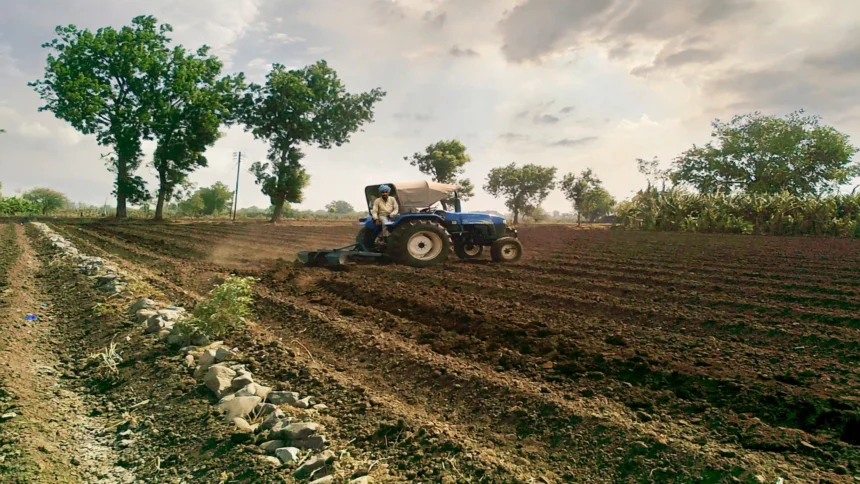
The weakest link is rural India. Food inflation rose to 8.5 per cent in October, up from 7.4 per cent in September, squeezing village household budgets. Tractor sales, often read as a proxy for farm incomes, contracted 15.5 per cent year-on-year in September, while fertiliser sales and sowing weakened too.
Water is part of the problem. Reservoir levels had fallen to 66 per cent of capacity in October, against 90.9 per cent a year earlier, raising concerns about the winter crop. The report also flags a strong El Nino, shrinking grain stocks and lower gold prices, which weaken the rural wealth effect. Weaker rural purchasing power could also constrain volume growth for FMCG firms, even though sector earnings rose about 15 per cent year-on-year.
Factories and prices are cooling too
Industrial production growth slowed to 6.7 per cent in September from 7.8 per cent in August, while manufacturing growth eased to 7.6 per cent from 8.6 per cent. Capital goods production, a gauge of investment appetite, fell from 15.9 per cent to 10.4 per cent, and consumer durables production slowed to 6 per cent from 10.5 per cent.
Prices are adding to the pressure. Wholesale inflation climbed to 12.3 per cent in October, driven mainly by fuel and energy, which raises input costs for manufacturers. Consumer inflation reached 6.1 per cent in October, crossing 6 per cent for the first time in two years. Passenger vehicle sales growth also moderated, to 12.7 per cent in October from 17.5 per cent in September.
What is still holding up
Not everything points down. Bank credit expanded 19.5 per cent year-on-year in October, and services credit surged 28.3 per cent in September. Foreign investors have put about 10 billion dollars into Indian stocks since late October, Brent crude has fallen about 16 per cent month-on-month, and the rupee has appreciated about 1.5 per cent.
Credit card transaction value, however, contracted 5.9 per cent in September, suggesting households are pulling back on discretionary spending. BNP Paribas’ verdict: external relief may not be enough to prevent a domestic slowdown.
Why it matters
The real story is the split inside FY27. The first half was strong, at 7.8 per cent in April-June. The second half looks different, with ICRA, the RBI and UBS all putting full-year growth at 7.1 to 7.2 per cent. A slowdown from 7.8 to around 7 per cent is not a crisis, but it changes the mood for policymakers and households alike.
For ordinary readers, the pressure is practical. Food inflation at 8.5 per cent bites into monthly budgets, especially outside big cities. Wholesale inflation at 12.3 per cent raises the cost of making things, and some of that reaches shop shelves. The RBI has also begun raising rates again after nearly four years, which can push up loan costs.
The rural question matters most. If winter sowing stays weak and El Nino heat shortens the grain-filling period, farm incomes and rural spending will stay soft into early 2027. If rains and reservoirs recover, much of this warning could fade quickly.
What to watch next
- 30 November: the official July-September GDP print, which will settle whether growth has already cooled to 7.5 per cent.
- Winter sowing: the rabi crop and reservoir levels will show whether the rural strain is easing or deepening.
- Inflation: whether food and wholesale inflation stay elevated into November and December.
- RBI policy: how the central bank balances fresh rate hikes against slowing growth.
FAQs
What did BNP Paribas warn about?
In a report released on 18 November, BNP Paribas India said growth is set to slow in the second half of FY27, with weak rural indicators, rising inflation and cooling industry as the main risks.
How fast is India’s economy growing now?
Growth was 7.8 per cent in April-June. ICRA expects July-September at 7.5 per cent, a five-quarter low, and full-year FY27 growth at 7.1 per cent.
Why is rural demand weak?
Food inflation hit 8.5 per cent in October, tractor sales fell 15.5 per cent in September, reservoirs dropped to 66 per cent of capacity, and sowing has been weak.
Does this mean a recession?
No. Growth is slowing from a high base, not shrinking. Even cautious forecasts put full-year growth near 7.1 per cent, among the fastest for any major economy.
When will we know more?
GDP data for July-September arrives on 30 November, and the next inflation and sowing updates will show whether the rural strain is easing.
India’s growth story is not stalling, but the easy part of the year may be behind it. The GDP print on 30 November will show how deep the slowdown runs.