Indians are rethinking how they travel, and the change shows up clearly in what they search for. Google on Monday released its 2026 India travel trends, based on Google Trends data, and the headline finding is hard to miss: searches for “wellness travel India” have jumped 1,600 percent over the past year.
The report, published on Google’s India blog on 23 November, points to three big shifts shaping how people in the country plan holidays in 2026: experience-led trips, shorter getaways, and solo travel. Together, they suggest a move away from the old sightseeing checklist towards journeys built around rest, personal interests and flexibility.
Wellness is now the headline act
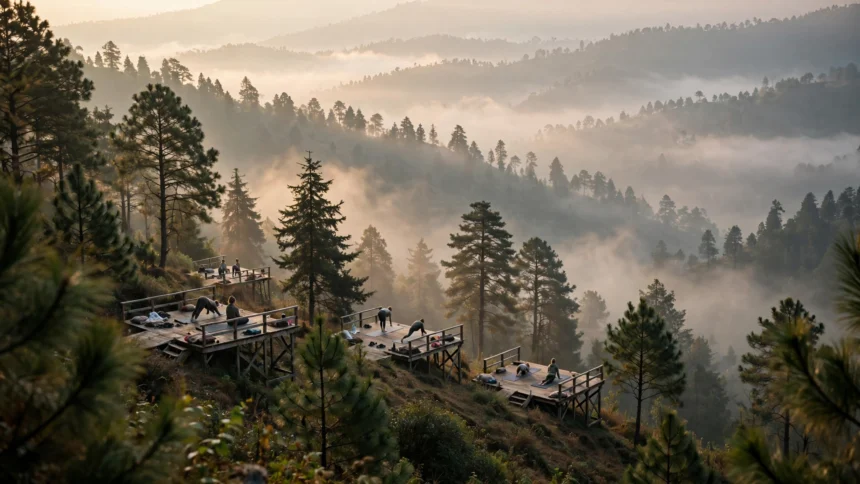
Wellness dominates the new data. Alongside the 1,600 percent rise in “wellness travel India” searches, queries for “fitness trip” are up 950 percent. Travellers looking to truly switch off are also pushing searches for “silent retreat” up by 150 percent, while “what is slow travel” has become a breakout query, meaning it has grown sharply from a low base.
The pattern is consistent across the report. People are not just searching for destinations, they are searching for a state of mind: quieter places, slower days and trips that leave them feeling better than when they left.
Shorter trips, closer to home
The second shift is about time. Searches for “1 day trip near me” have risen 130 percent over the past year, with Maharashtra leading national interest in the query. Weekend getaways and long weekend travel remain popular, but the fastest growth is in single-day escapes, trips that fit into a free Saturday rather than a full holiday.
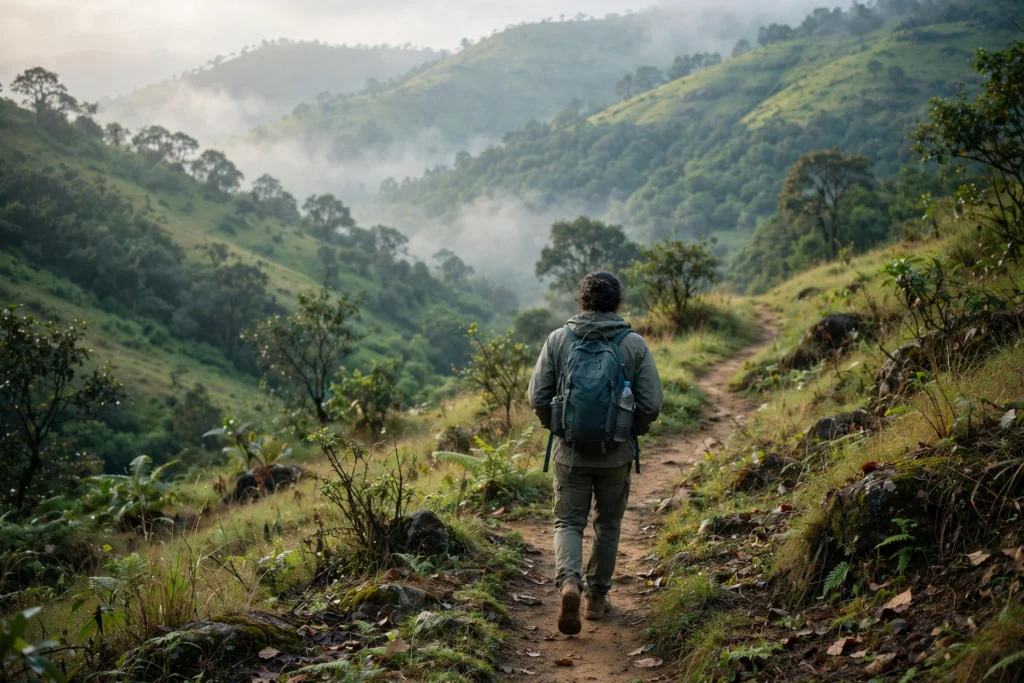
Experience is driving the choice of destination too. “Hiking trails near me” and “music festival travel” have emerged as breakout queries, as travellers build entire holidays around a live event or a walk in nature. Searches for “hidden gems India” are up 400 percent, a sign that many travellers now want places their friends have not already posted about.
Solo, but looking for company
Setting off alone is no longer a niche pursuit. Searches for “solo travel guide”, “best places to travel solo” and “solo travel cost India” have all emerged as breakout queries in Google’s data.
Yet solo does not mean isolated. Searches for “travel community” have surged 400 percent, suggesting that independent travellers still want to meet like-minded people along the way, whether through a group trek, a
retreat or a shared stay.
AI is becoming the travel agent
The third shift is technological. Searches for “AI for Travel” have jumped 600 percent over the past year, as Indian travellers turn to artificial intelligence to plan trips. Google highlighted three of its own tools in the report: AI Mode in Search, which can turn a screenshot of a place into a trip plan; Gemini, which can build personalised itineraries; and Ask Maps, which answers conversational questions such as finding a good lunch spot on the way to a hotel.
The message is that trip planning is moving from fixed packages and long lists of links towards a conversation: describe what you like, and let the tool sketch the route.
Why it matters
Search data is not the same as booking data. Google’s report measures what people look up, not what they actually buy, and the company itself notes that the findings track interest rather than completed trips. Even so, a 1,600 percent rise is not a blip, it is a signal that the idea of a holiday is changing for a large number of Indians.
For travellers, the practical shift is already visible. Wellness retreats, yoga stays and silent retreats that were once a small niche are now competing with beach resorts and city breaks for the same weekends. One-day trips mean the getaway no longer needs annual leave, a train ticket and a hotel booking, it needs a free morning and a place within a few hours of home. And for anyone planning a solo trip, the rise of travel communities means going alone no longer has to mean travelling alone.
For the travel industry, the data points to where the next demand will come from: smaller towns and offbeat locations rather than only the famous circuits, shorter stays rather than long packages, and experiences, a trek, a festival, a retreat, rather than a list of monuments. Hotels and homestays near cities stand to gain the most from the one-day trip trend, while retreat operators will need to be ready for a wave of first-time wellness travellers who arrive with high expectations and plenty of questions.
The simplest reading is also the most useful one. Indians are not travelling less, they are travelling differently: shorter, calmer, more personal, and with a phone in hand doing much of the planning.
FAQs
How much have wellness travel searches risen in India?
Searches for “wellness travel India” have risen 1,600 percent over the past year, according to Google Trends data released on 23 November 2026. Searches for “fitness trip” are up 950 percent.
What is a micro-trip?
A micro-trip is a very short getaway, often a single day or a weekend, close to home. Searches for “1 day trip near me” have risen 130 percent over the past year, with Maharashtra showing the strongest interest.
Are more Indians travelling solo?
Search interest suggests so. Queries such as “solo travel guide”, “best places to travel solo” and “solo travel cost India” have all become breakout searches, while searches for “travel community” are up 400 percent.
How is AI changing trip planning in India?
Searches for “AI for Travel” have jumped 600 percent over the past year. Travellers are using AI tools to turn photos into itineraries, build personalised plans and find places to eat and stay along a route.
Does the Google report show actual bookings?
No. The report is based on Google Trends search data, which measures what people search for, not what they book. It shows intent and interest, not completed trips.
The numbers say the Indian holiday is getting a quiet rewrite. The next time you plan a break, the question may not be where to go, but how you want to feel when you come back.