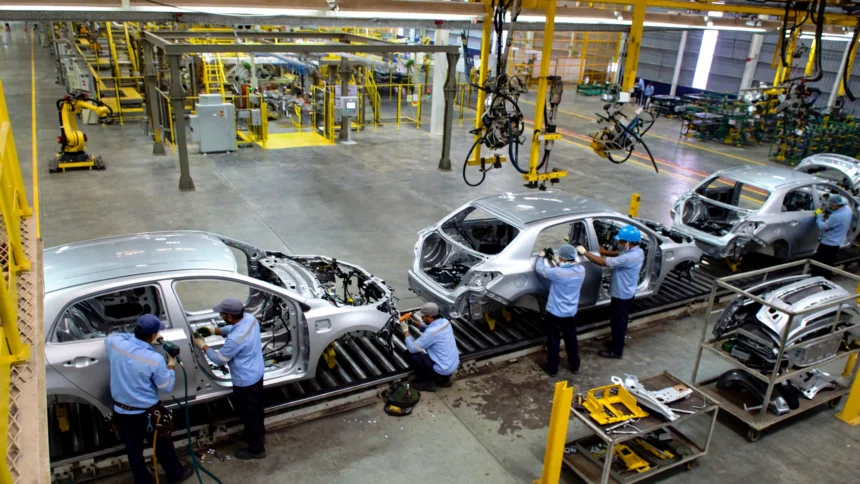
India’s factories did the heavy lifting in November. Fresh survey data released on Monday shows private sector activity picked up a touch during the month, powered by the strongest manufacturing performance in nine months, even as services growth lost a little steam.
The HSBC Flash India Composite Purchasing Managers’ Index, compiled by S&P Global, edged up to 56.3 in November from 56.2 in October. That is the highest reading since June, and it keeps the index comfortably above the 50 mark that separates expansion from contraction.
What stands out is the split: manufacturing is accelerating while services, the bigger engine of the economy, is easing, and that decides where jobs are being created.
Factories lead the way
Manufacturing was the clear driver in November. The headline manufacturing PMI climbed to 56.0 from 54.7 in October, its highest level in nine months. Factory output gathered pace too, with the manufacturing output index rising to 58.3 from 57.0.
Stronger new orders and higher production sat behind the improvement, and the survey points to firm domestic demand rather than a one-off export bump. Factories also stepped up hiring, recruiting at the fastest pace in seven months, a sign manufacturers expect order books to stay healthy.
Services cool a little
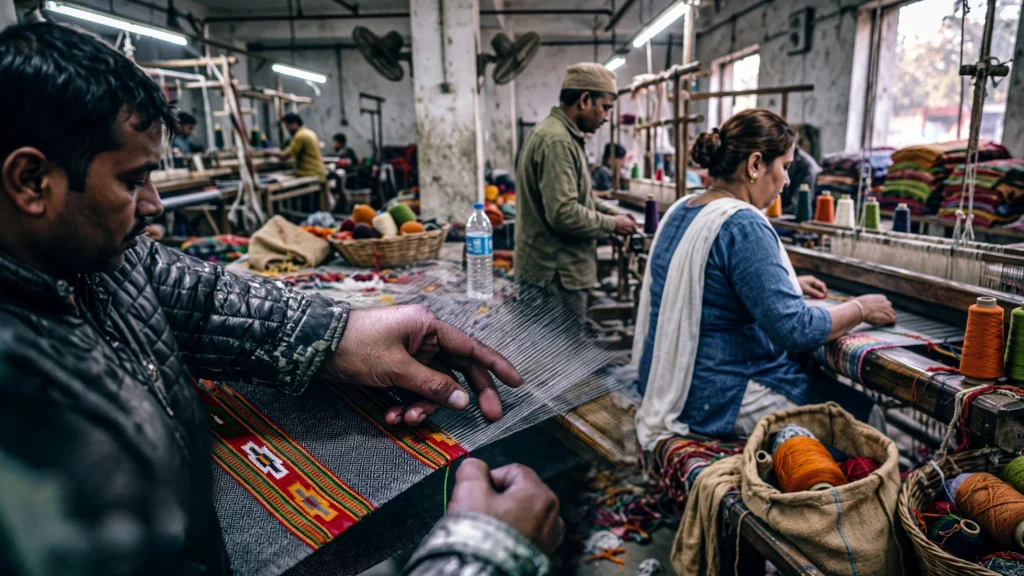
The services sector told a softer story. The services PMI eased to 55.3 in November from 55.8 in October, and growth in new business was unchanged from the previous month. Services firms even trimmed jobs for the first time in nearly a year, a sharp contrast with the hiring spree in factories.
None of this amounts to a slowdown in services. A reading of 55.3 still signals solid expansion. But the direction matters: the sector that has carried much of India’s growth is no longer accelerating, and its hiring has gone into reverse, at least for now.
Jobs tell a split story
The employment picture inside the survey is the most human part of the data. Factories added workers at their fastest pace in seven months. Services firms cut jobs for the first time in almost a year. Jobs are being created, but not evenly, and not where most urban jobseekers usually look.
For young workers and graduates, the message is mixed. Manufacturing is hiring, which is good news for industrial towns. But services, which absorbs a large share of new entrants into the workforce, is pausing. If that pause lasts, it could show up in the broader jobs data in the coming months.
Why it matters
On the surface, 56.3 against 56.2 looks like a rounding error. It is not. The composite reading matters because it is the highest since June, and because of what sits underneath it: manufacturing at a nine-month high while services cool. That rotation is what policymakers have been hoping for, a broader base of growth less dependent on services alone.
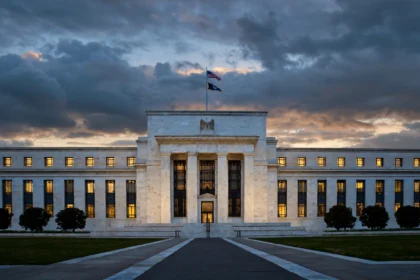
There is a catch. A Reuters poll of economists points to slower overall growth this quarter as the boost from earlier tax cuts fades and higher borrowing costs weigh on spending. S&P Global, which retained its 7 percent growth forecast for this fiscal year, expects the Reserve Bank of India to raise its key policy rate by 25 basis points in December, with another hike possible early next year.
For ordinary readers, the practical read is this: factory jobs are opening up and demand is holding, but borrowing could get a little costlier in December. If you are planning a loan-funded purchase or a job switch into services, the RBI’s December 4 decision is worth watching closely.
What to watch next
The flash estimate is only a first look. The final November PMI numbers, due in early December, will confirm whether the factory surge holds. The RBI’s decision on December 4 will show how the central bank reads the same data, with inflation pressures still in focus.
- Composite PMI: 56.3 in November, up from 56.2 in October, highest since June
- Manufacturing PMI: 56.0, up from 54.7, a nine-month high
- Manufacturing output index: 58.3, up from 57.0
- Services PMI: 55.3, down from 55.8
- Factory hiring: fastest pace in seven months; services trimmed jobs for the first time in nearly a year
FAQs
What is the PMI?
The Purchasing Managers’ Index is a monthly survey of purchasing managers in manufacturing and services. A reading above 50 signals expansion, below 50 signals contraction.
What did India’s PMI show in November 2026?
The HSBC Flash India Composite PMI rose to 56.3 in November from 56.2 in October, its highest since June. Manufacturing hit a nine-month high of 56.0, while services eased to 55.3.
Why did manufacturing grow faster than services?
Stronger new orders, faster factory production and firm domestic demand drove manufacturing. Services saw unchanged growth in new business and trimmed jobs, suggesting demand there is steady but no longer accelerating.
Does a higher PMI mean the economy is booming?
Not quite. It means private sector activity is expanding faster than the previous month. Economists still expect overall growth to slow this quarter as tax-cut benefits fade, and the RBI is expected to raise rates in December.
When will the final PMI numbers come out?
The final November PMI readings are due in early December, followed by the RBI’s policy decision on December 4.
India’s economy is still expanding, and November’s survey shows factories, not services, are setting the pace right now. Whether that balance holds into the new year is one of the first big economic questions of 2027.