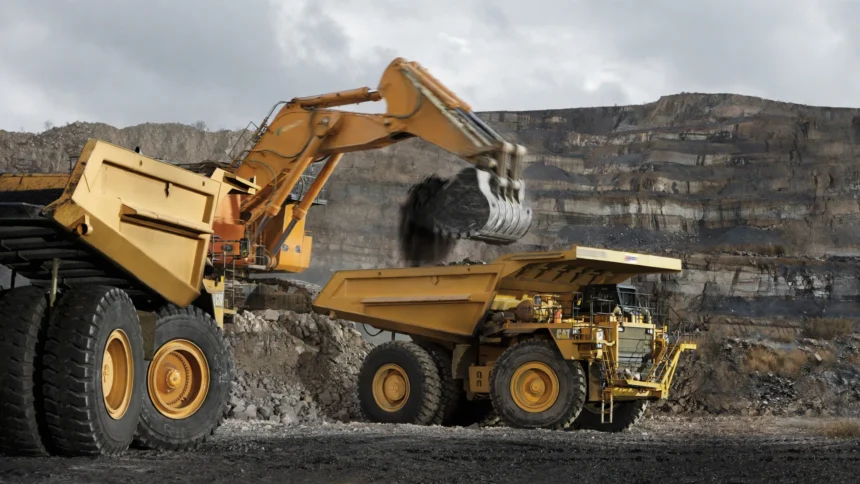
India’s captive and commercial coal mines had a strong October. Production jumped 42 per cent year on year to 22.03 million tonnes, up from 15.49 million tonnes in October 2025, according to data released by the Ministry of Coal on Monday, 2 November. Dispatches kept pace too, rising 36 per cent to 21.11 million tonnes from 15.48 million tonnes a year earlier.
The numbers matter beyond mining. Coal still fuels a large share of India’s power generation and feeds steel, cement and other heavy industries. When domestic mines produce more and move it faster, power plants worry less about stock and the country spends less on imported coal.
October in numbers
The headline figures tell a clear story of momentum:
- Production: 22.03 million tonnes in October 2026, up 42 per cent from 15.49 million tonnes in October 2025.
- Dispatches: 21.11 million tonnes, up 36 per cent from 15.48 million tonnes a year earlier.
- April to October production: 117.23 million tonnes, up 11.3 per cent from 105.33 million tonnes in the same period last year.
- April to October dispatches: 124.86 million tonnes, up 11.53 per cent from 111.95 million tonnes.
- Operational mines: 87 captive and commercial mines now running, after one more clearance in October.
The seven-month trend is arguably more important than a single month. A 42 per cent jump in one month can reflect a low base or a timing shift, but an 11.3 per cent rise across April to October points to sustained improvement rather than a one-off spike.
Why output rose
The Coal Ministry credited improved operational efficiency, higher mining productivity and better use of existing capacity across the captive and commercial sector. In plain terms, mines that were already open are working harder and more smoothly, and coal is moving out of pitheads to consumers with fewer bottlenecks.
That distinction matters. Captive mines supply coal mainly to their owners, typically power or industrial companies, while commercial mines can sell in the open market. Growth in both segments widens supply for the whole economy, not just for one company. It also gives buyers more choice at a time when global energy prices remain volatile and crude oil has traded above 100 dollars a barrel in recent weeks.
October also brought a long-awaited clearance. The Lohari coal mine in Jharkhand received its Mine Opening Permission during the month after waiting several years for operationalisation. The approval took the count of operational captive and commercial mines to 87, and the ministry linked the clearance to its ease of doing business reforms.
What it means for imports and energy security
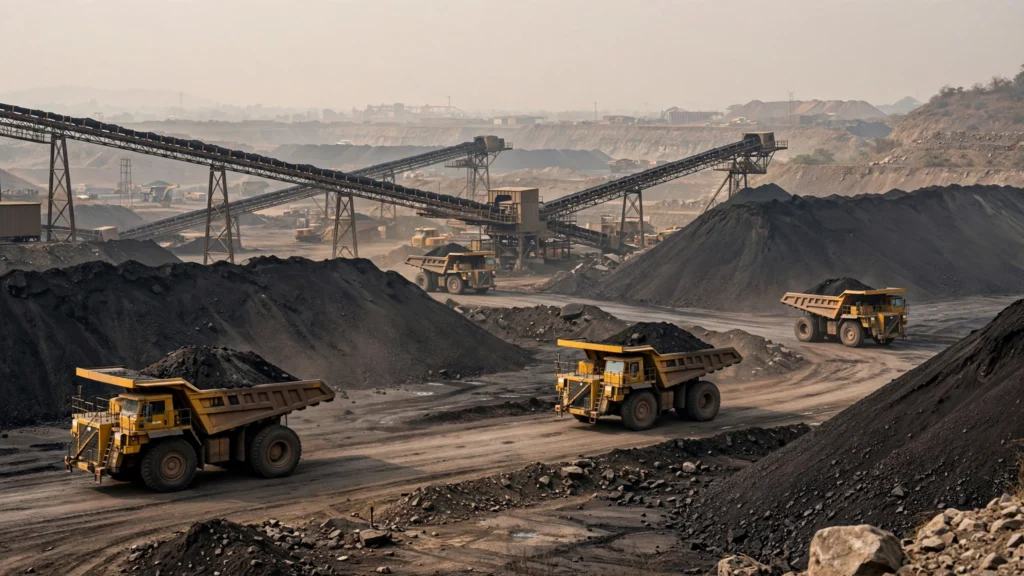
More domestic coal should, over time, cut dependence on imports. That is the ministry’s stated aim: stronger supply chains, less foreign exchange spent abroad, and greater self-reliance under the Atmanirbhar Bharat push. Early signs point in that direction. Coal imports fell 5.83 per cent year on year to 104.57 million tonnes in August 2026, down from 111.05 million tonnes in August 2025.
Imports will not disappear. India still buys specific grades of coal, especially coking coal for steelmaking, that domestic mines cannot fully replace. But every extra tonne produced at home reduces exposure to global price swings and shipping disruptions, and it keeps more of the value chain, jobs and royalties inside the country.
For households, the link is indirect but real. Steady coal supply helps power plants maintain stocks through winter, when demand stays high and fog and logistics can slow transport.
What to watch next
Three things will show whether October was a turning point or just a good month. First, whether November production holds near October’s pace once winter logistics bite. Second, whether dispatches continue to match production, because coal sitting at pitheads helps no one. Third, whether more pending mines, like Lohari, move from permission to full production in the coming months.
The ministry has said it will keep pushing domestic availability to meet growing energy and industrial needs. If the April to October trend holds, the captive and commercial sector is on course to close the financial year well ahead of last year, giving policymakers one less supply worry in an otherwise uncertain global energy market.
FAQs
How much coal did captive and commercial mines produce in October 2026?
They produced 22.03 million tonnes, up 42 per cent from 15.49 million tonnes in October 2025, according to the Ministry of Coal.
How much coal was dispatched in October?
Dispatches rose 36 per cent year on year to 21.11 million tonnes, up from 15.48 million tonnes a year earlier.
What is the production trend for the full financial year so far?
From April to October 2026, production reached 117.23 million tonnes, up 11.3 per cent from 105.33 million tonnes in the same period last year. Dispatches rose 11.53 per cent to 124.86 million tonnes.
Which mine got clearance in October, and why does it matter?
The Lohari coal mine in Jharkhand received Mine Opening Permission after several years of waiting. It took the number of operational captive and commercial mines to 87.
Does higher domestic output mean India will stop importing coal?
No. India still needs imported grades, especially coking coal for steel. Higher domestic output reduces dependence and import bills, but it does not end imports entirely.
For now, October’s numbers give the coal sector a broad-based improvement in both production and dispatches, with more mines coming online to sustain it.