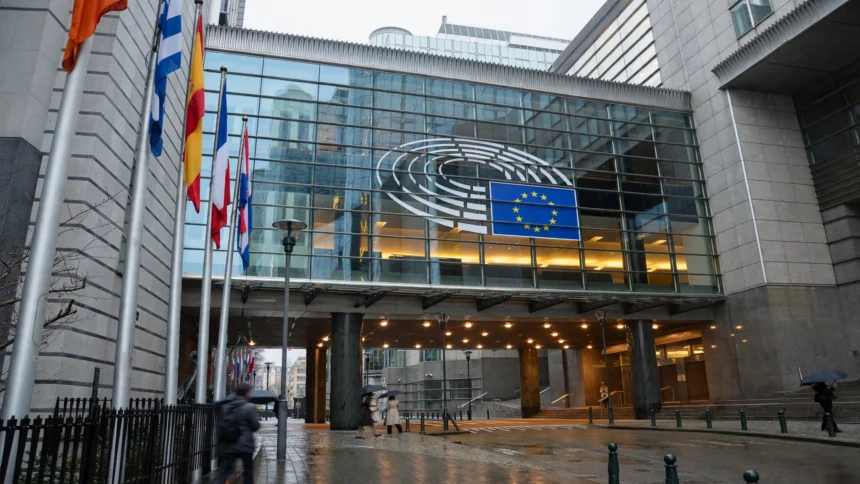
India and the European Union are likely to sign their long-pending free trade agreement on December 16 in Brussels, a step that would give 93 per cent of Indian shipments duty-free access to the 27-nation bloc. An official told news agency PTI that the pact is expected to be signed during Prime Minister Narendra Modi’s visit to Brussels next month.
The agreement, often described as the “mother of all deals”, would be the biggest trade pact India has ever signed. The two sides concluded negotiations on January 27 this year, after talks that stretched for more than two decades.
What the deal gives Indian exporters
Under the agreement, 93 per cent of goods shipped from India will be able to enter the European Union without any duty. The EU will eliminate tariffs on more than 90 per cent of its tariff lines and India on 86 per cent, the European Commission’s summary says. Counting partial liberalisation, coverage rises to 99.3 per cent for the EU and 96.6 per cent for India.
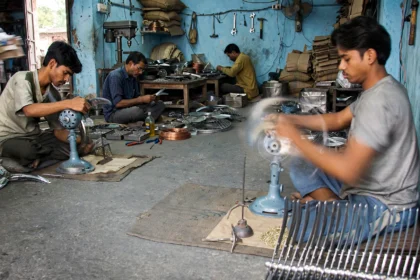
That matters because the EU is one of the largest consumer markets in the world, and Indian exporters have long faced duties there on textiles, garments, leather goods, gems and jewellery, marine products and engineering goods. Duty-free access should make Indian products cheaper on European shelves and help exporters compete with rivals from countries that already have trade deals with the bloc. The timing helps: engineering exports rose 36 per cent year on year to $12.74 billion in October, industry body EEPC India said, so exporters already have momentum going into the deal.
What gets cheaper in India
The deal works both ways. Imports of luxury cars and wines from the EU will become less expensive in India once the pact takes effect, as tariffs on those products come down. European machinery, chemicals and high-end consumer goods should also get cheaper over time as duties are phased out, and cheaper imported machinery could lower production costs for Indian industry.
A deal more than 20 years in the making
The road to December 16 has been long. India and the EU launched trade talks in 2007, but the negotiations stalled in 2013 over differences on tariffs, services and intellectual property. The talks were formally relaunched in June 2022, and after three and a half years of bargaining, the two sides announced the conclusion of negotiations on January 27, 2026.
European Union Ambassador to India Jean-Eric Paquet recently said the pact would be signed during Prime Minister Modi’s December visit to Brussels and would come into force next year. Commerce and Industry Minister Piyush Goyal had earlier said the agreement could be implemented in February-March 2027, after the approval procedures on both sides are complete.
Why it matters
This is not just another trade announcement. For Indian exporters, duty-free access to 27 countries at once removes the single biggest cost disadvantage they have faced in Europe, and it arrives at a moment when global trade is being reshaped by tariffs and supply chain shifts elsewhere. A manufacturer in Tiruppur or Surat who today loses a European order to a rival from a country with an EU trade deal will, from next year, compete on a level field.
For the broader economy, the deal also locks in a stable, rules-based trading relationship with one of India’s largest trading partners, at a time when exports to other big markets face uncertainty. The real test will come after the signing: how fast the tariff cuts are phased in, and whether small exporters can handle the deal’s paperwork without getting stuck. The December 16 signing is the starting line, not the finish.
What happens next
- December 16: The agreement is likely to be signed in Brussels during Prime Minister Modi’s visit.
- Approval process: Both sides must complete their internal approval procedures before the pact can take effect.
- Coming into force: The agreement is expected to enter into force next year, with implementation seen in February-March 2027.
- Tariff phase-down: Duties will be eliminated or reduced in stages, so the full benefit will build up over time.
FAQs
When will India and the EU sign the free trade agreement?
The pact is likely to be signed on December 16 in Brussels, during Prime Minister Narendra Modi’s visit to the city, according to an official quoted by PTI.
How much of India’s exports to the EU will become duty-free?
About 93 per cent of Indian shipments will enjoy duty-free access to the 27-nation bloc once the agreement is in force.
When will the deal come into effect?
It is expected to come into force next year, after both sides complete their approval procedures. Commerce Minister Piyush Goyal had earlier indicated February-March 2027.
What will become cheaper in India?
Imports of luxury cars and wines from the EU will become less expensive as tariffs are phased out.
How long did the negotiations take?
Talks began in 2007, stalled in 2013, were relaunched in 2022, and concluded on January 27, 2026.
The December 16 signing, if it goes ahead as reported, will close one of the longest chapters in India’s trade history.