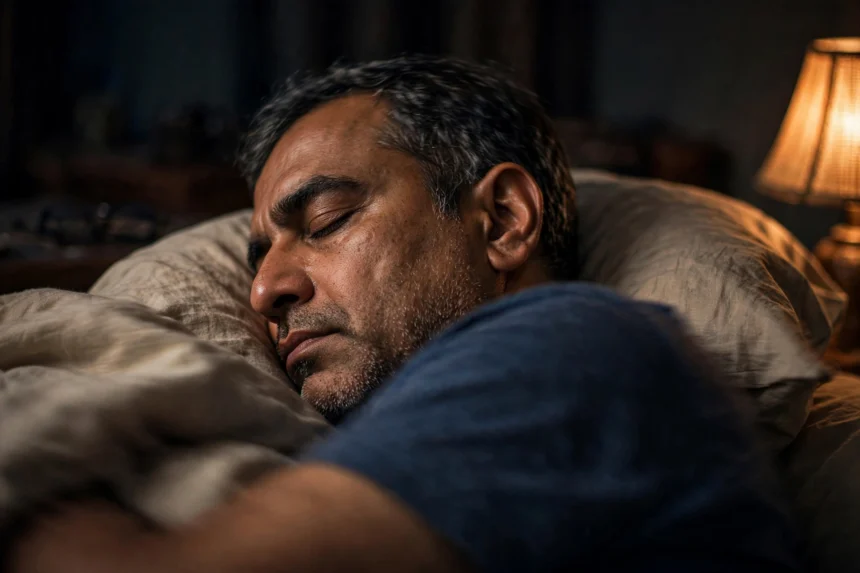
Millions of Indians snore through the night and drag themselves through the day, convinced it is just a part of getting older or working hard. Doctors at a national sleep medicine conference this week delivered a sobering counterpoint: that tiredness is often a diagnosable, fully treatable condition, and ignoring it may be costing India as much as Rs 2 to 3 lakh crore every year.
The figure emerged as the consensus view on the sidelines of ISSS 2026, a sleep medicine conference chaired by Dr. Vikas Agrawal, widely regarded as the father of sleep surgery in India. The gathering, attended by senior specialists including Padma Shri awardees Milind Kirtane and Mohan Kameswaran, turned its focus on a disorder most Indians still do not take seriously: sleep apnea.
A third of India, barely diagnosed
The numbers shared at the conference are hard to brush off. Roughly one in three Indians suffers from some form of sleep apnea, a condition where breathing repeatedly stops and starts during sleep. An AIIMS study cited at the event puts the number of affected working-age Indians at around 104 million.
Yet awareness remains shockingly low. Loud snoring, gasping in the night and daytime drowsiness are routinely dismissed as harmless quirks, even though they are classic signs of a condition that quietly starves the body of oxygen and is linked to heart disease, diabetes and stroke.
The Rs 2-3 lakh crore bill
The economic estimate rests on three buckets: lost productivity, workplace accidents and excess mortality. Per the data discussed at ISSS 2026, untreated sleep apnea can drive productivity drops of up to 77 percent and adds about 13 extra sick days per worker every year. As many as 40 percent of road accidents in India are tied to poor sleep and fatigue behind the wheel.
When extrapolated across more than 100 million cases, the lifetime productivity loss alone works out to roughly Rs 1 to 2 lakh crore annually. Layer on the lifetime treatment costs of cardiovascular disease and other non-communicable diseases that untreated apnea feeds into, and the total climbs to the Rs 2-3 lakh crore range, a sum that rivals the annual budget of several large states.
“Fully treatable,” say doctors
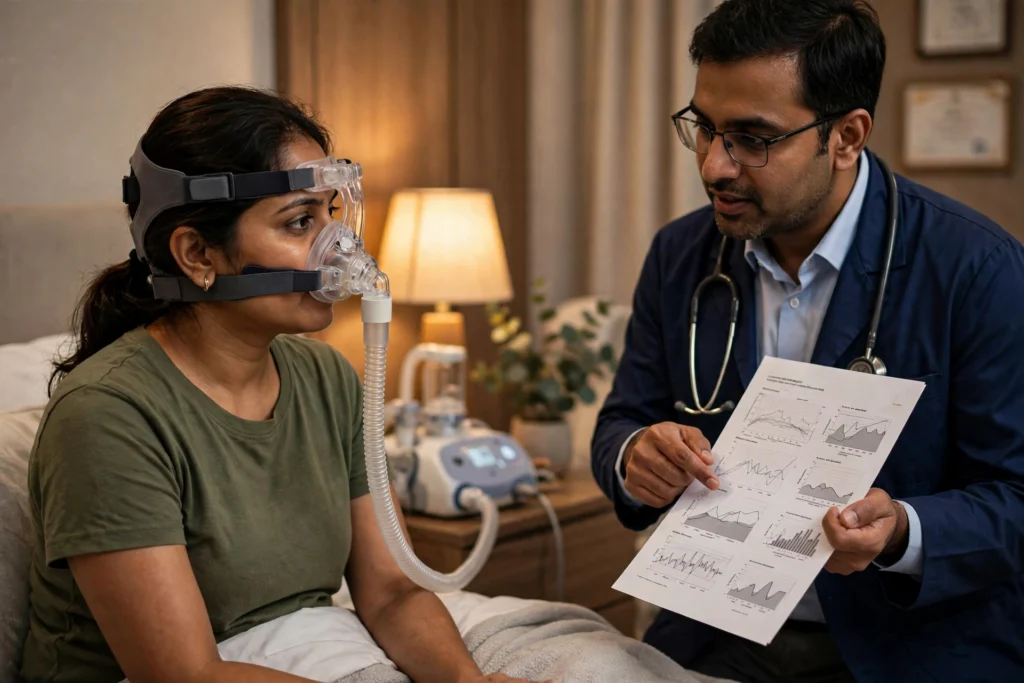
Perhaps the most striking takeaway was not the scale of the problem but the simplicity of the solution. Specialists stressed that sleep apnea is fully treatable, and modern diagnostics have made detection far easier than most people assume. In-clinic CT scans, overnight sleep studies and sleep endoscopy can pinpoint the exact site of obstruction, and the surgical procedure is a simple day-care procedure.
Treatment options extend beyond surgery. Depending on severity, doctors recommend CPAP therapy, positional therapy, weight management and lifestyle changes alongside surgical intervention. The tragedy is that most patients arrive only after years of damage to the heart and metabolism that earlier treatment could have prevented.
Why insurance is the missing piece
The conference made a pointed appeal: health insurance must cover all modalities of sleep apnea surgery and treatment. If that GDP-scale loss is genuinely salvageable, the argument goes, the fastest lever is financial access. Covering diagnosis and treatment under standard insurance plans would pull millions of people out of a cycle of declining health and declining earnings.
Coverage varies across insurers and plans. Doctors at the conference argued that bringing sleep medicine into mainstream insurance would change the arithmetic overnight: diagnostic sleep studies and CPAP machines remain out of reach for many families, so the condition stays undiagnosed until a cardiac event forces attention.
What you can do about your own sleep
- Watch the warning signs: loud chronic snoring, witnessed pauses in breathing, waking up with a headache or dry mouth, and excessive daytime sleepiness are classic symptoms. If a partner mentions these, take it seriously.
- Get a sleep study: a polysomnography test, now widely available at hospitals and sleep clinics in metro and tier-two cities, is the gold standard for diagnosis.
- Fix the basics: maintain a healthy weight, avoid alcohol and sedatives before bed, keep regular sleep hours and sleep on your side if snoring is severe.
- Follow through on treatment: whether the prescription is CPAP or surgery, consistent use is what converts a diagnosis into real health gains.
- Talk to your insurer: ask your health insurer exactly what is covered under sleep-disorder diagnostics and treatment before you need it.
FAQs
What exactly is sleep apnea?
It is a sleep disorder in which breathing stops and restarts repeatedly through the night, fragmenting sleep and reducing oxygen supply. The most common form, obstructive sleep apnea, happens when throat muscles relax and block the airway.
How common is it in India?
Very. Roughly one-third of the population is estimated to suffer from it, with about 104 million working-age adults affected, according to studies cited at ISSS 2026. Most cases go undiagnosed.
Is it really treatable?
Yes. Depending on severity, doctors use lifestyle modification, CPAP therapy, oral appliances and surgery. Specialists at the conference emphasised that modern surgical treatment is a simple day-care procedure.
Does health insurance cover sleep apnea treatment in India?
Coverage varies across insurers and plans.
Sleep apnea may be silent, but its costs are loud, on our roads, in our workplaces and in our wallets. The doctors’ message this week was simple: stop ignoring the snore.