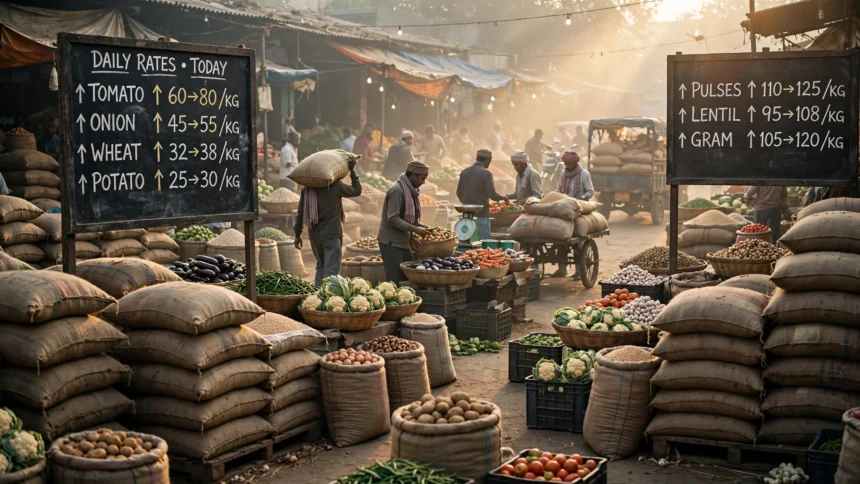
Your kirana bill, your fuel fill, and your factory’s raw material costs are all telling the same story this week. Inflation in India is climbing, and Wednesday’s official data confirms the squeeze is getting worse at the wholesale level.
The government released September’s Wholesale Price Index (WPI) numbers yesterday, and the headline figure jumped to 11.39 percent, up sharply from 9.92 percent in August. The rise was broad-based: food articles, manufactured products, and fuel and power all pushed higher, leaving businesses with little room to absorb the blow.
Coming just days after retail inflation touched a 21-month high, the wholesale numbers paint a picture of price pressure building up at every stage of the economy. And with the festive season in full swing, the timing could not be worse for households or traders.
The numbers behind the surge
Wholesale inflation measures price changes at the level where goods change hands between producers and bulk buyers. When it rises this fast, it usually flows through to shop shelves within weeks.
- WPI inflation: 11.39 percent in September, up from 9.92 percent in August
- Retail (CPI) inflation: 5.54 percent in September, a 21-month high, up from 4.83 percent in August
- Food inflation: 7.74 percent at the retail level, up from 5.97 percent a month earlier; rural food inflation crossed 8 percent
- RBI’s tolerance: the central bank targets 4 percent CPI inflation, with a 2 percent band on either side
What is worrying economists is not just food anymore. In September, eleven of the twelve sub-groups in the retail inflation basket recorded price increases. The only exception was personal care products. That tells us inflation is no longer about a few vegetables or cereals going dear. It is becoming generalised.
Why prices are refusing to cool
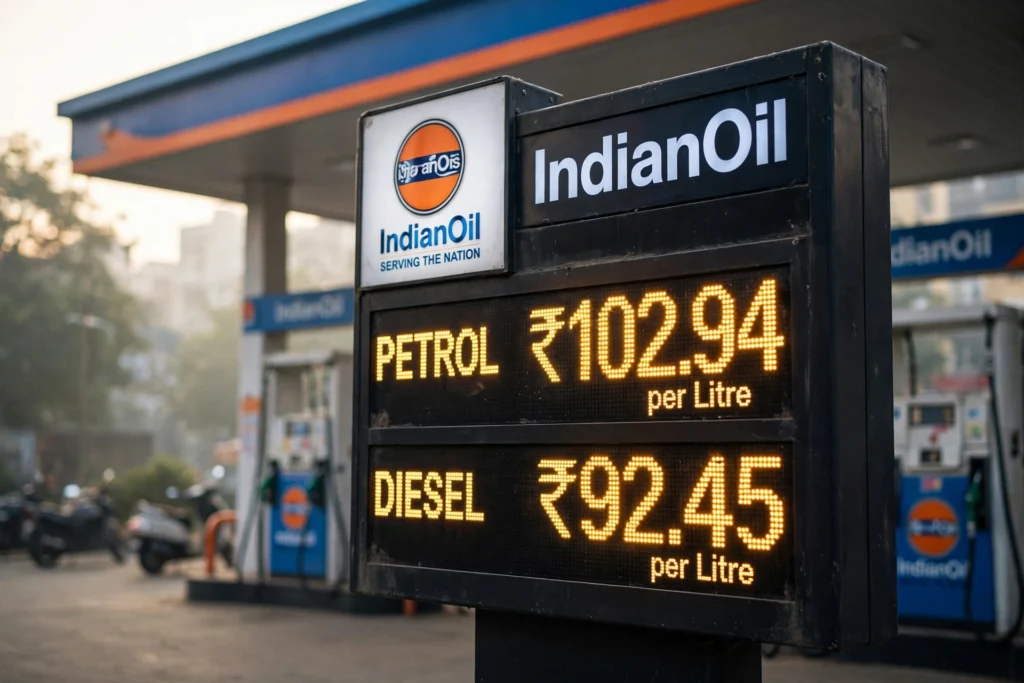
Three forces are colliding at once. Global crude oil prices have stayed above 100 dollars a barrel, dragged up by the renewed West Asia conflict. The monsoon has been patchy, with El Nino concerns hanging over crop prospects. And an adverse base effect means year-on-year comparisons are now coming off last year’s lower prices, which mechanically pushes the inflation rate up.
Chief economists watching the data say October could look even hotter. India Ratings’ Devendra Pant has flagged that food inflation could touch 9.1 percent this month and headline retail inflation could reach around 6.0 percent, driven by that same base effect and persistently high crude prices.
There is one small relief valve. The rupee appreciated about 1 percent on October 12, helped by Reserve Bank intervention, which should take some pressure off imported inflation. But economists say that relief will only partly offset the broader push from fuel and food.
What the RBI is doing, and what comes next
The Reserve Bank saw this coming. On October 7, its Monetary Policy Committee raised the repo rate by 25 basis points to 5.50 percent and shifted its stance to what it calls calibrated tightening. Governor Sanjay Malhotra was blunt: inflation and its outlook are no longer benign the way they were last year.
The central bank now expects headline retail inflation to average almost 5.8 percent over the next three quarters, peaking at 6.0 percent in the January to March quarter. Its full-year forecast stands at 5.2 percent.
Markets are already betting the RBI is not done. Most economists expect another 25 basis point hike at the December policy review. Some, like Systematix, warn that inflation could climb to 6 to 7 percent in the coming quarters and that the repo rate may eventually need to reach 6.5 to 7 percent to bring prices under control. If that happens, home loans and business borrowing costs would keep rising.
A stronger rupee, but fragile
In one corner of good news, the rupee had its best run in weeks. On Wednesday it rose 19 paise to close at 95.17 against the US dollar, marking a fourth straight session of gains. Over those four sessions the currency gained 171 paise, its sharpest four-day recovery in a month.
Currency dealers credit the Reserve Bank’s aggressive intervention to curb speculative bets, plus a weaker dollar and softer US bond yields. But analysts caution that elevated crude prices and foreign investor outflows could cap further gains. A deal between the US and Iran, and the simmering Middle East tensions, remain wildcards.
A stronger rupee matters because India imports a large share of its fuel and edible oil. If the currency holds these gains, it will soften the landed cost of imports and give the RBI a little breathing room on inflation.
What this means for you
For households, the immediate impact is a costlier festive season. Food, transport and manufactured goods are all rising, so this Diwali’s shopping will stretch budgets further than last year’s.
For businesses, the wholesale numbers are a warning. Input costs are rising faster than most firms can pass on to customers, which squeezes margins. For borrowers, the message is simple: interest rates are unlikely to fall any time soon. Anyone waiting for cheaper home or car loans should plan around higher-for-longer rates.
The next big data point will be October’s retail inflation, due in the second week of November. If it comes in near 6 percent as economists expect, the December rate decision could turn into one of the most watched events of the year.
FAQs
What is WPI inflation?
It measures price changes at the wholesale level, tracking goods traded between producers and bulk buyers. It often signals where retail prices are headed.
What was WPI inflation in September 2026?
Wholesale inflation rose to 11.39 percent in September 2026, up from 9.92 percent in August, driven by food, manufactured items, and fuel and power.
Why is inflation rising in India right now?
High global crude prices above 100 dollars a barrel, a patchy monsoon, El Nino risks, and an adverse base effect are all pushing prices higher at both wholesale and retail levels.
Will the RBI raise interest rates again?
Most economists expect another 25 basis point hike in December 2026. Some brokerages warn the repo rate may need to rise by 100 to 150 basis points more if inflation keeps climbing.
How does a stronger rupee help fight inflation?
A stronger rupee makes imports like crude oil and edible oil cheaper, which directly lowers imported inflation and takes pressure off domestic prices.
That is where things stand this week. We will track October’s inflation print and the RBI’s December decision closely, and keep you updated right here.