New Delhi: The Supreme Court on Thursday formally entered the raging political battle over the Election Commission’s Special Intensive Revision (SIR) of electoral rolls, issuing notices to the poll panel, Chief Election Commissioner Gyanesh Kumar and the Centre on a petition filed by Leader of Opposition Rahul Gandhi and 12 other INDIA bloc leaders.
- What happened inside the courtroom
- What the Opposition is demanding
- Why this fight is getting sharper
- What happens next
- Frequently asked questions
- What is the SIR of electoral rolls?
- Who filed the petition in the Supreme Court?
- What did the Supreme Court do on October 15?
- What do the petitioners want?
- When is the next hearing?
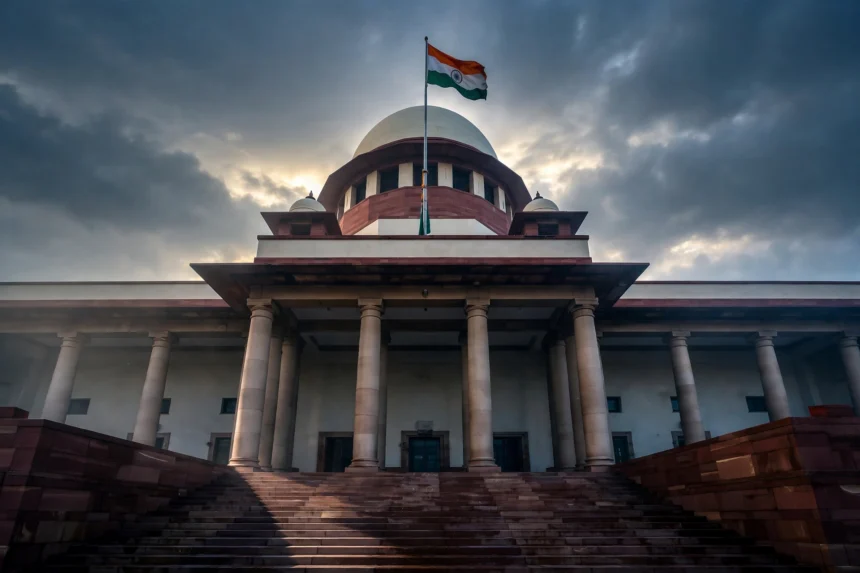
A bench headed by Chief Justice of India Surya Kant and Justice Joymalya Bagchi took up the petition in the morning and sought responses from the Election Commission of India (ECI), the CEC and Election Commissioners Sukhbir Singh Sandhu and Vivek Joshi. The court also directed that the new plea be tagged along with the existing lawsuits already challenging the SIR exercise across several states.
The petitioners allege large-scale voter deletions and irregularities in the revision exercise, which the Opposition claims has struck off nearly 13 crore voters across India. The ECI has maintained that the revision is a routine clean-up of the rolls.
What happened inside the courtroom
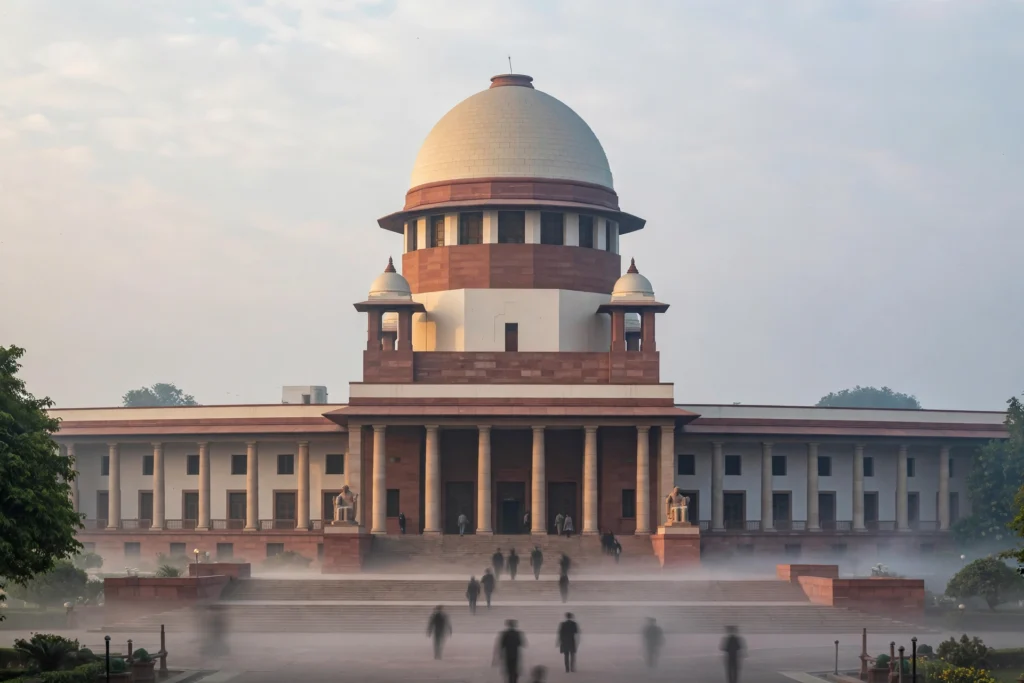
The petition, registered as W.P.(C) No. 001351/2026, was filed on October 12 after Gandhi and several Opposition leaders marched to the apex court in a “March for Democracy” and was formally registered on October 13 after initial procedural defects were fixed.
On Thursday, the bench issued notice on the plea and on parallel petitions filed by AIMIM chief Asaduddin Owaisi and Congress leader Digvijaya Singh raising similar concerns. While issuing notice, the Chief Justice also raised questions about the conduct of one of the 13 petitioners, saying the court “would like to ask one of the petitioners about his conduct on the next date of hearing.” The court accepted the notice for that petitioner on a provisional basis.
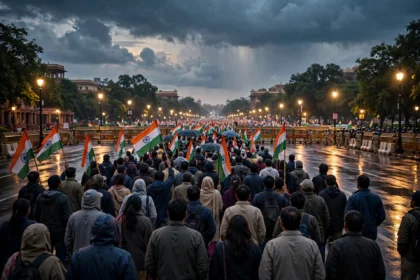
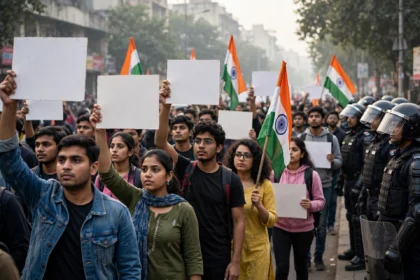
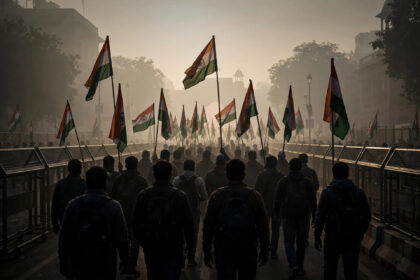
The hearing unfolded against a charged backdrop. For the fifth consecutive day on Wednesday, hundreds of protesters took to the streets of central Delhi against the SIR exercise and the CEC, climbing over barricades as police detained demonstrators and filled detention buses through the afternoon.
What the Opposition is demanding
The plea asks the court to examine whether the ECI’s decisions on the revision were taken in line with Article 324 of the Constitution, the 2023 law governing the Election Commission and the Supreme Court’s landmark ruling in T.N. Seshan vs Union of India.
Among its key demands:
- A full and complete disclosure of “files, agendas, minutes, notings and objections” recorded by Election Commissioners Sandhu and Joshi on the SIR.
- An independent audit of all voter deletions and modifications, conducted by a committee headed by a retired Supreme Court judge and assisted by technical experts.
- Booth-wise publication of the details of every elector removed during the revision.
- An interim stay on the SIR exercise until the court decides the matter.
Why this fight is getting sharper
The SIR row has become the Opposition’s sharpest weapon against the Election Commission this year. Congress president Mallikarjun Kharge, Samajwadi Party chief Akhilesh Yadav, RJD leader Tejashwi Prasad Yadav, NCP (SP) leader Supriya Sule and Shiv Sena (UBT) leader Sanjay Raut are among the co-petitioners, making this one of the broadest joint legal challenges by the INDIA bloc.
The courtroom battle is running parallel to street politics. Rahul Gandhi has kept up the pressure outside the court as well, attacking the government over the detention of Ankita Bhandari’s parents at India Gate in the early hours of Thursday and accusing the Centre of silencing victims who raise uncomfortable questions.
What happens next
The ECI and the Centre will now file their replies to the notices. The court will take up the matter again on the next date of hearing, when one of the petitioners will also have to explain their conduct before the bench. With the revision exercise continuing on the ground and elections looming in several states, the case is set to become the defining legal test of how voter rolls are maintained in India.
Frequently asked questions
What is the SIR of electoral rolls?
The Special Intensive Revision is the Election Commission’s exercise to update and clean voter lists, which involves verifying entries and deleting duplicates or ineligible names.
Who filed the petition in the Supreme Court?
Leader of Opposition Rahul Gandhi led 12 other Opposition leaders, including Mallikarjun Kharge, Akhilesh Yadav, Tejashwi Yadav, Supriya Sule and Sanjay Raut, in filing the plea on October 12.
What did the Supreme Court do on October 15?
The court issued notices to the ECI, CEC Gyanesh Kumar, the two Election Commissioners and the Centre, and tagged the petition with the existing cases challenging the SIR.
What do the petitioners want?
They seek an independent audit of voter deletions by a retired judge, booth-wise details of removed voters, disclosure of the Commission’s internal records and a stay on the revision exercise.
When is the next hearing?
The bench will hear the matter again on the next scheduled date, after the ECI and the Centre file their responses.
The Supreme Court’s move puts the Election Commission on notice in the most literal sense. Whether the audit the Opposition wants materialises will decide if this becomes a routine constitutional challenge or the biggest electoral-roll fight in recent memory.