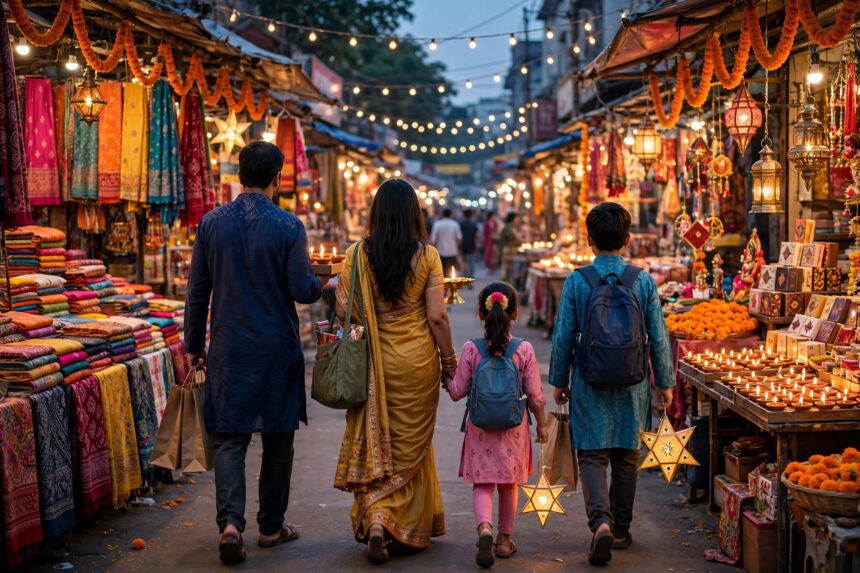
Walk through any Indian market this week and you will feel it before you see it. Strings of marigolds, stalls stacked with dry fruits, the smell of fresh jalebis in the air. The festive season is here, and with Navratri behind us and Dhanteras and Diwali around the corner, millions of households are opening their wallets. But this year, they are opening them a little more carefully than before.
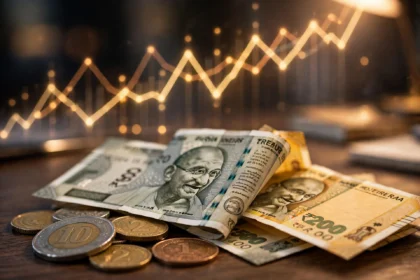
A fresh survey of urban Indian households suggests that the average family plans to spend about Rs 20,000 on discretionary festive purchases this season. Total urban festive spending is estimated at Rs 1.97 lakh crore in 2026, which is 6% lower than the Rs 2.10 lakh crore spent in 2025, though still comfortably above the Rs 1.85 lakh crore of 2024. In other words, India is still celebrating, just with a sharper eye on the bill.
How much India plans to spend
The findings come from LocalCircles’ Mood of the Consumer survey, which collected more than 67,000 responses from urban households across 307 districts. The numbers paint a picture of cautious celebration.
- 57% of urban households say they will spend on festive purchases this year.
- 31% plan no discretionary spending at all, choosing to sit this season out financially.
- 30% expect to spend between Rs 10,000 and Rs 1 lakh, the biggest spending band.
- 9% will spend over Rs 1 lakh, keeping the premium end of the market alive.
- 18% will keep their festive budget under Rs 10,000.
The pullback is largely about a missing tailwind. Last year, the GST 2.0 rate cuts that took effect on September 22, 2025 coincided with the festive season and pushed spending up by nearly 14%. This year there is no such tax relief, and households are feeling the pinch of rising prices instead.
What Indians are actually buying
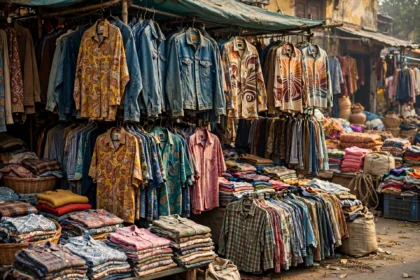
If there is one thing Indian festive shoppers cannot resist, it is new clothes. Clothing, footwear and accessories top the shopping list, with 72% of spending households planning fashion purchases. New clothes for the family during Diwali is a tradition that no amount of inflation seems able to dent.
- 45% plan to buy home appliances and furniture, another 45% are spending on travel and holidays.
- 39% will spend on gourmet foods and gifting, the classic festive categories.
- 22% each plan to buy mobile phones or gadgets, and to spend on home renovation or interiors.
- 10% are planning an automobile or two-wheeler purchase, the traditional big-ticket festive buy.
- Just 6% plan to buy jewellery, the lowest share in years, as gold prices hover near record highs.
The jewellery number tells its own story. Domestic gold prices rose 12% in August to about Rs 1.59 lakh per 10 grams, and with silver trading at around Rs 2.26 lakh per kg on MCX in early October, many families are choosing
to admire the glitter rather than buy it.
Savings, not credit, will fund the festival
Perhaps the most striking finding is how families plan to pay for all this. 83% of households that plan festive spending will dip into savings to some extent. A full 34% expect to fund a quarter or more of their festive budget from savings, and 16% say they will rely on savings entirely. Not a single respondent said they plan to borrow.
This makes sense in the current climate. On October 7, the RBI raised the repo rate by 25 basis points to 5.50%, its first hike in over three and a half years, and signalled that rate cuts are off the table for now. With credit getting costlier, savings are doing the heavy lifting. The catch is that the cushion is thinning: retail inflation has risen for eleven straight months to 5.54% in September, food inflation is at 7.74%, and wholesale inflation has crossed 11%.
Online sales are buzzing, but selectively
The early online festive sales mirror the survey’s findings. Amazon’s Great Indian Festival kicked off on October 8 and Flipkart’s Big Billion Days on October 9, with Flipkart reporting 6.3 million concurrent users and about 60% of demand coming from non-metro customers. Meesho reported a 75% year-on-year jump in Day 1 orders across fashion, beauty and festive decor.
The split is familiar: fashion and value buys are flying, while big-ticket electronics are under pressure. Counterpoint Research expects festive smartphone volumes to fall 12% year-on-year as rising memory chip costs push up device prices. Vehicle retail sales did hit a record 25.37 lakh units in September, up 31.8% year-on-year, though dealers caution that the growth was flattered by buyers who had deferred purchases last year.
What this means for Diwali week
The broad picture is of a festive season that will feel busy but look different on balance sheets. Markets will be crowded, e-commerce deliveries will run late, and sweet shops will do brisk business. But the big gold and electronics splurges of earlier years are being replaced by fashion, home upgrades, travel, and gifting, much of it paid for out of past savings rather than fresh income.
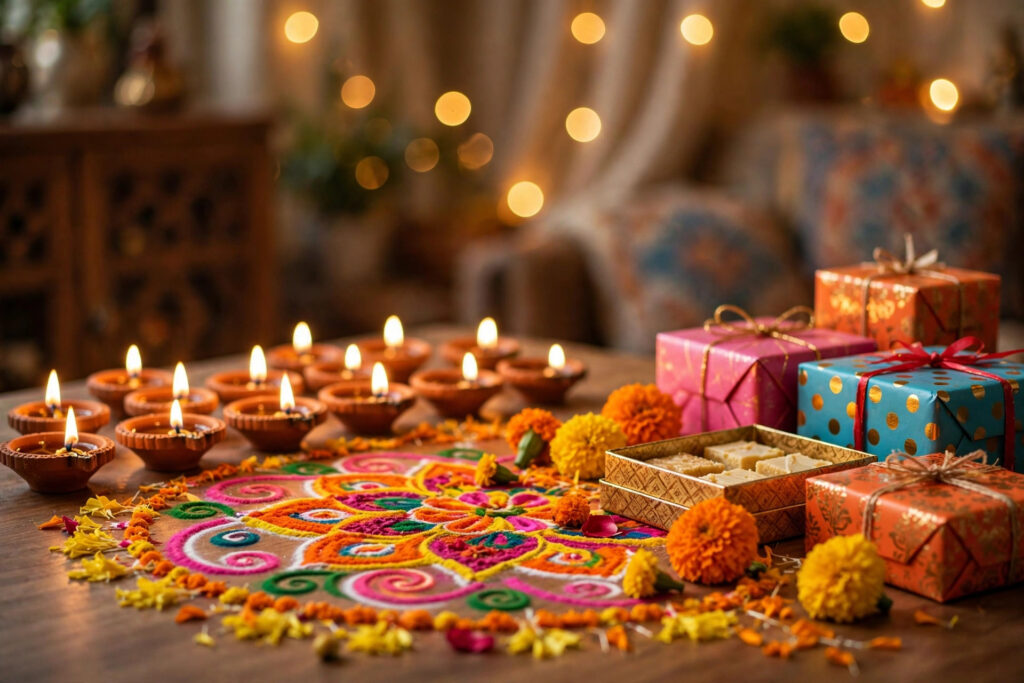
For retailers, the message is clear: value, fashion and experiences are where the demand sits this Diwali. For households, the message is quieter but just as real. The diyas will be lit as always. This year, a little more of the oil is coming from the savings jar.
FAQs
How much will the average urban Indian household spend this festive season?
About Rs 20,000 on discretionary festive purchases, according to the LocalCircles Mood of the Consumer survey of over 67,000 urban households.
What is the total urban festive spending estimate for 2026?
LocalCircles estimates Rs 1.97 lakh crore, down 6% from Rs 2.10 lakh crore in 2025 but above Rs 1.85 lakh crore in 2024.
What are Indians buying most this Diwali season?
Clothing, footwear and accessories lead with 72% of spending households, followed by home appliances and furniture (45%), travel and holidays (45%), and gourmet foods and gifting (39%).
Why is jewellery buying so low this year?
Only 6% of households plan jewellery purchases, largely because gold prices are near record highs at around Rs 1.50-1.59 lakh per 10 grams, with silver also sharply up year-on-year.
How are families funding their festive spending?
83% plan to dip into savings, with 16% relying on savings entirely, as the RBI’s October rate hike makes credit costlier and inflation stays elevated.
Informeia brings you the stories shaping how India lives, shops and celebrates. Happy Diwali season to our readers.