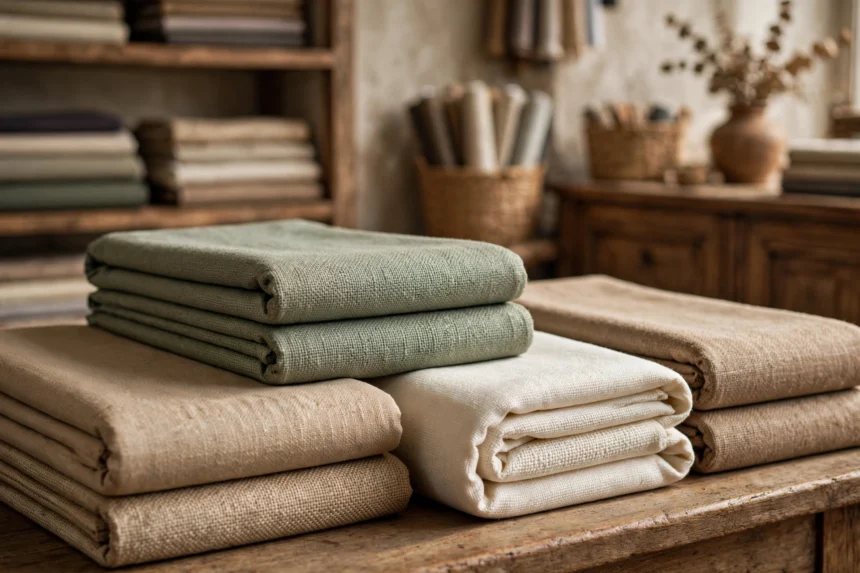
One of India’s oldest fabric names has decided to bet on one of the world’s oldest fibres. Raymond Lifestyle Limited, the century-old textile and apparel giant, has launched a new collection of hemp shirting fabrics, bringing the tough, fast-growing plant into its premium shirting category for the first time in a serious way.
The announcement came on Friday, October 17, and it is a bigger deal than it sounds. Hemp has been used in textiles for centuries, but in India it has never held a serious position in the premium shirting segment. Raymond now wants to change that, pitching hemp not as a rustic novelty but as a refined, everyday fabric for formal and smart-casual dressing.
Four fabrics, not one experiment
Rather than releasing a single hemp weave and calling it innovation, the company has developed four distinct constructions, each aimed at a different kind of shirt buyer.
- Pure Hemp: the original article, known for bright colours, durability and breathability, and it softens with every wash.
- Hemp with Tencel: the premium end of the line, with better drape and a next-to-skin finish.
- Hemp with Cotton: the comfort pick, pairing hemp’s strength with cotton’s familiar, everyday breathability.
- Hemp with Bamboo: the performance option, moisture-wicking with what the company calls a luxurious hand feel.
The message is clear: this is meant to be a wardrobe fabric, not a museum piece. The collection comes in contemporary colours, patterns and designs, and has already started moving through trade channels.
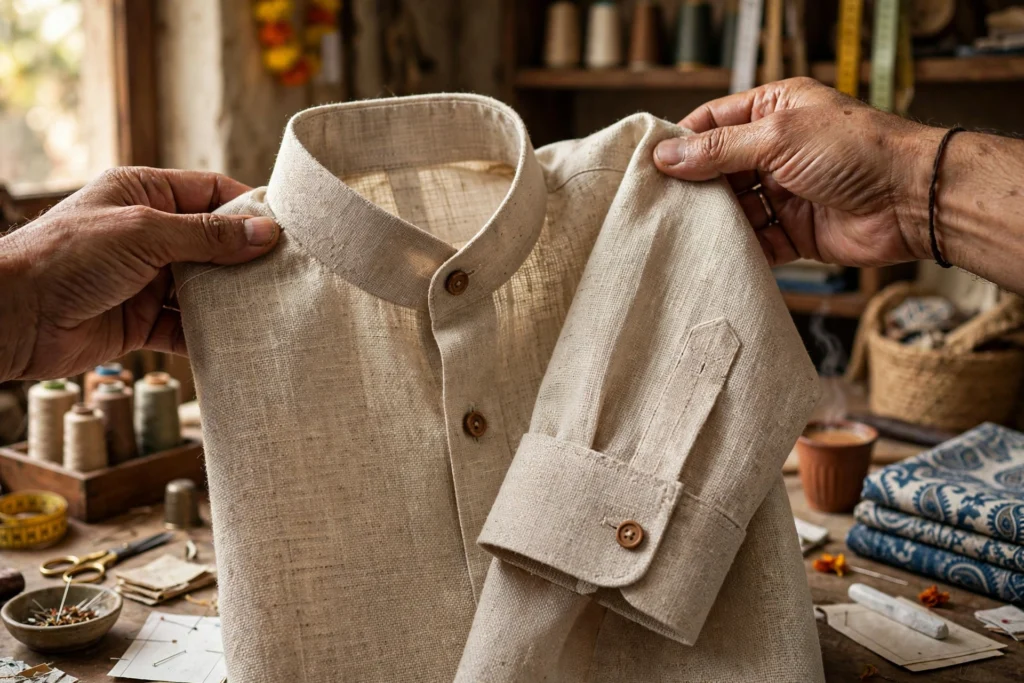
Why hemp, and why now
Raymond’s shirting chief, Anupam Dikshit, framed the launch as a response to how quickly sustainability expectations have hardened. “Sustainability in textiles is no longer a matter of positioning,” he said. “Garment brands have moved from voluntary sustainability commitments to material-mix targets.”
The argument for hemp is mostly about resources. Hemp needs significantly less water than conventional cotton, grows rapidly, and does so without dependence on pesticides or fertilisers, a meaningful point in a country where textile manufacturing faces real water constraints. It also improves with wear rather than deteriorating, which sits well with a brand that has always sold durability as a virtue.
There is a climate angle for Indian buyers too. Hemp’s breathable micro-structure offers natural thermoregulation, which the company says makes it well suited for Indian summers. That is the kind of practical pitch that could move hemp from the eco shelf to the regular rotation in a man’s wardrobe.
The younger buyer is the real audience
Raymond acknowledges that the domestic fabric market appreciates hemp for its look and feel, and that the value-added blends are already finding fans among the younger generation. That is no accident. Sustainable fashion has moved from niche conversation to mainstream purchase criterion for buyers in their twenties and thirties, the exact demographic now buying premium shirting for offices, weddings and festive dressing.
The company supplies fabric to international and domestic fashion brands as well as its own premium retail, so the collection has two routes to market: brands specifying the fabric in their seasonal ranges, and fabric retail counters where men buy length for tailored shirts.
What this means for Indian textiles
Raymond has spent decades introducing fibre innovations before the market asked for them, from new blends to new finishes. Hemp may be its most symbolic bet yet, because it requires educating a customer base that associates the fibre with sacks and rope rather than fine shirting.
The broader signal matters too. Indian mills have been investing heavily in sustainable fibre portfolios as global brands tighten their material-mix targets and domestic consumers grow more conscious. When a market leader puts hemp into its premium shirting category, smaller mills and brands tend to follow. If the blends perform well through a few wash cycles, expect hemp-blend shirts to start appearing on retail racks across the country by next season.
FAQs
What has Raymond launched?
Raymond Lifestyle Limited has launched a new collection of hemp shirting fabrics in four constructions: Pure Hemp, Hemp with Tencel, Hemp with Cotton, and Hemp with Bamboo.
Why is hemp considered sustainable?
Hemp needs far less water than conventional cotton, grows quickly, and requires little to no pesticides or fertilisers, making it one of the most resource-efficient textile fibres.
Is hemp fabric comfortable for Indian weather?
According to Raymond, hemp’s breathable micro-structure gives natural thermoregulation, which makes it suitable for Indian summers, and the fabric softens with every wash.
Where can buyers find these fabrics?
The collection has launched through trade channels, meaning it will reach both fashion brands specifying the fabric and premium fabric retail counters.
Will hemp replace cotton in shirting?
Not immediately. Raymond is positioning it as a premium, value-added alternative rather than a cotton replacement, starting with four blends aimed at different needs.
For a company that has thrived for over a century on fabric innovation, as Dikshit put it, “sustainability is a way of life.” This time, that way of life comes woven from hemp.