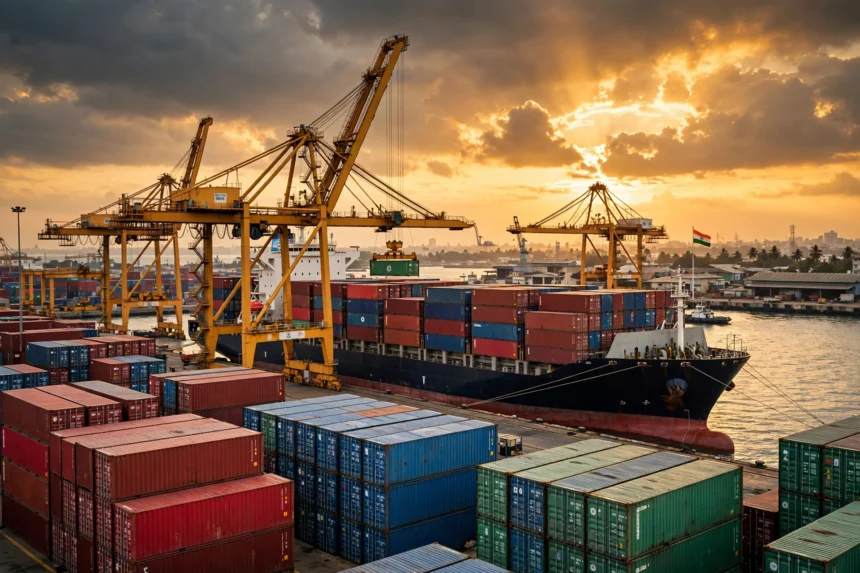
New Delhi: Indian exporters have a reason to celebrate this Monday. The Commerce Ministry is holding a ceremonial flag-off at Vanijya Bhawan in New Delhi today, October 19, marking the launch of the India-New Zealand Free Trade Agreement that comes into force tomorrow, October 20. From tomorrow, import duties on all Indian goods exported to New Zealand drop to zero.
The ministry has asked industry bodies to keep their consignments ready for shipment around the implementation date so that the very first duty-free shipments can be showcased as proof that the pact delivers instant benefits to Indian exporters.
Zero duty on 100% of Indian exports
The FTA, signed on April 27, gives duty-free access for 100 per cent of Indian exports to New Zealand once the agreement is operational. New Zealand’s average applied tariff is low at about 1.9 per cent, but Indian exporters are expected to gain most in the sectors where tariffs are relatively high, going up to 5 to 10 per cent.
According to the Commerce Ministry, the sectors set to benefit most include:
- Textiles and carpets
- Leather and footwear
- Automobiles and auto components
- Chemicals and engineering goods
- Ceramics and processed foods
- Plastics, rubber and select electronics
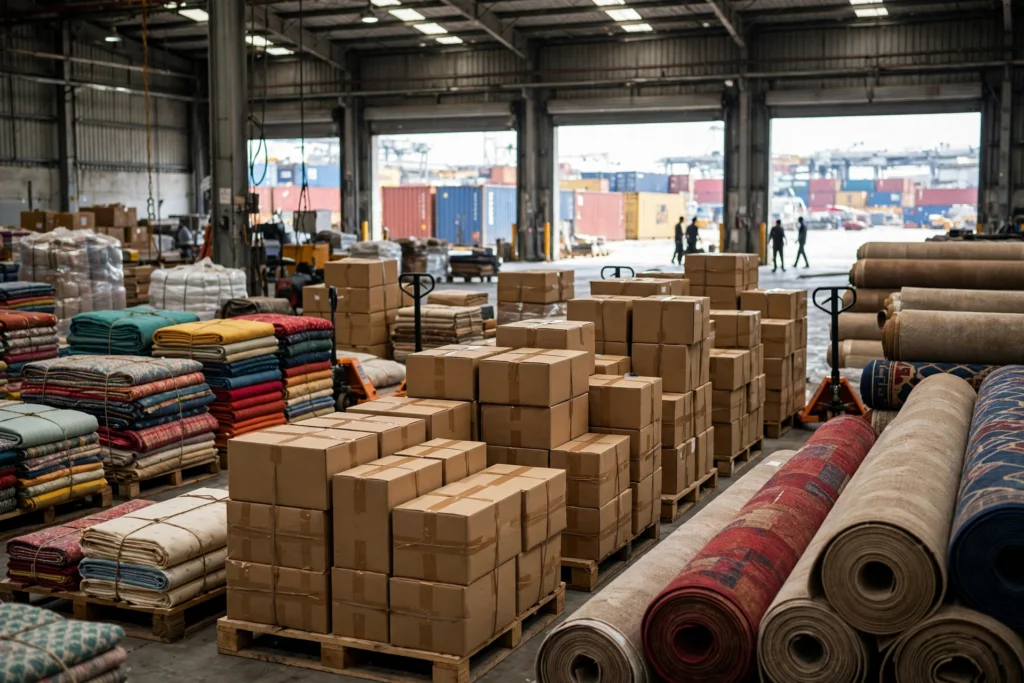
“The elimination of duties under the FTA for items where tariffs are at 5 to 10 per cent is expected to improve the price competitiveness of Indian exports in these segments,” a source tracking the matter told The Hindu BusinessLine.
New Zealand also opens up, pledges $20 billion investment
The deal works both ways. New Zealand’s Parliament passed the implementing legislation on September 16 with a 93-29 vote, supported by the opposition Labour Party. More than half of New Zealand’s exports covered by the agreement will become duty-free from the first day of implementation, while tariffs on about 95 per cent of its exports to India will be eliminated or significantly reduced once the agreement is fully implemented.
New Zealand has also committed to invest USD 20 billion in India over the next 15 years. “For exporters, the benefits are immediate and substantial,” New Zealand Trade Minister Todd McClay said after the legislation passed.
Dairy and agriculture kept out of the deal
India has retained protections for its sensitive sectors. Dairy and several agricultural products are kept out of the tariff concessions, a line New Delhi has held across its trade negotiations. Commerce Secretary Rajesh Agrawal has said India expects the agreement to boost trade and investment ties while safeguarding farmers’ interests.
Bilateral trade at $1.15 billion, room to grow
In FY26, India-New Zealand bilateral trade in goods stood at $1.15 billion, with Indian exports at $566.51 million and imports at $589.10 million. The numbers are modest compared with India’s shipments to major trading partners, which is exactly why the Commerce Ministry sees the FTA as a growth opportunity.
The timing also matters for businesses on the ground. Exporters keen to use the duty-free route must comply with the agreement’s rules of origin and obtain the required certifications, failing which the duty benefits will not apply. Industry bodies have been asked to work with the ministry to ensure the paperwork is ready before the first consignments leave port.
What happens next
The flag-off event at Vanijya Bhawan today is symbolic, but the real test begins tomorrow when the tariff schedules kick in. Commerce Ministry officials believe the pact could lift exports of textiles, auto parts and engineering goods, three sectors where Indian suppliers already have a foothold in the Pacific market.
For a country chasing bigger export numbers and diversification beyond traditional markets, a clean, ready-to-use trade deal with a developed economy is a useful card to have on the table. The industry will be watching the shipping data in the coming weeks to see if the zero-duty promise translates into fuller order books.
FAQs
When does the India-New Zealand FTA come into force?
The agreement comes into force on October 20, 2026, with a ceremonial flag-off of export consignments at Vanijya Bhawan, New Delhi on October 19.
Which Indian products get duty-free access?
All of them. The FTA provides duty-free access for 100 per cent of India’s exports to New Zealand, with the biggest gains expected in textiles, carpets, leather, footwear, autos, auto parts, chemicals and engineering goods.
Did India open up its dairy sector?
No. India retained protections for sensitive sectors including dairy and several agricultural products.
What has New Zealand committed beyond tariff cuts?
New Zealand has committed to invest USD 20 billion in India over 15 years, alongside the tariff concessions on its exports to India.
What must exporters do to claim the duty benefit?
Exporters must comply with the FTA’s rules of origin and obtain the required certifications; consignments that fail the criteria will not qualify for zero duty.
Informeia will keep tracking how the FTA performs in its first quarter of operation.