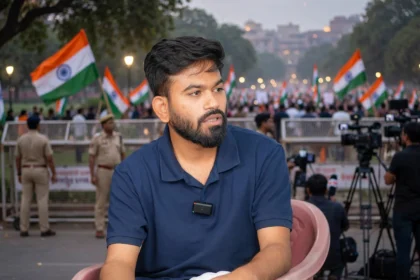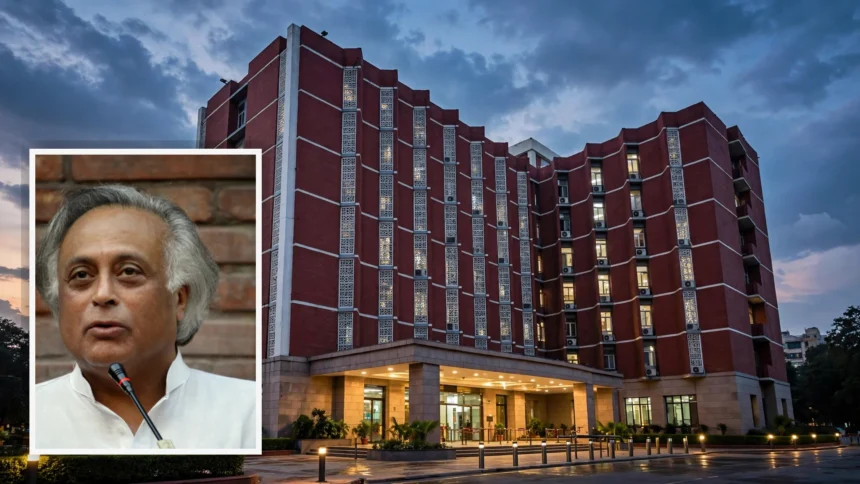
New Delhi: Congress leader Jairam Ramesh on Sunday launched a blistering attack on the Election Commission of India, accusing it of enabling “Vote Chori” by denying political parties searchable electoral rolls for eight years. In a fiery post on X, Ramesh demanded the immediate resignation of Chief Election Commissioner Gyanesh Kumar and the suspension of the Special Intensive Revision (SIR) of voter rolls.
The charge lands at a moment when the poll body is already under intense Opposition fire, with Leader of Opposition Rahul Gandhi calling the ECI’s leadership “vote chors” at a public meeting in Goa on the same day. It also comes just days after the Commission ordered a fresh Special Summary Revision in 17 states and Union Territories.
The “vote chori” charge, again
Ramesh wrote that for two years, Rahul Gandhi and the Congress have been “persistent, insistent and consistent” in demanding that the ECI provide electoral rolls in a searchable format to all political parties. The Commission, he alleged, kept refusing.
The demand goes back to 2018, when the Congress found lakhs of bogus voters in Madhya Pradesh. According to Ramesh, the ECI stopped providing searchable voter rolls that year, and “the demand was denied for 8 years to enable Vote Chori.”
His sharpest line was reserved for the top of the poll body: “Nothing can save the CEC Gyanesh Kumar, who, acting on the instructions of the PM and the HM, has destroyed public trust and confidence in the ECI. He simply has to go.”
Why searchable rolls matter
A searchable, machine-readable electoral roll lets parties, journalists and researchers sort voter lists by age, address, serial number and other fields. That makes it possible to flag suspicious patterns: dozens of voters registered at one address, identical photos across entries, or sudden spikes in enrolments before an election.
A flat PDF scan, the format the ECI traditionally supplies, makes such analysis far harder. Opposition parties have long argued that this is not a technical quirk but a deliberate shield against scrutiny. The Congress says the events of 2018 in Madhya Pradesh, where it spotted bogus entries and the searchable format disappeared soon after, prove the point.
What the EC has just done
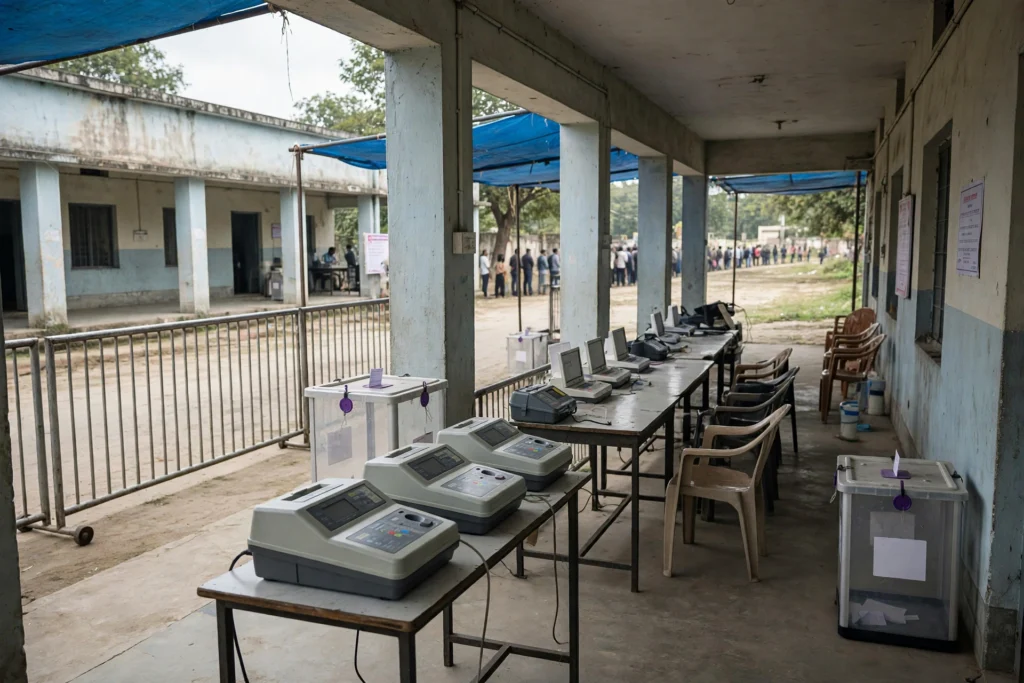
Ramesh pointed to the irony of timing. On October 15, the ECI issued an order saying electoral rolls will now be provided in searchable format to political parties for the Special Summary Revision (SSR), resumed after a gap of two years across 17 states and Union Territories.
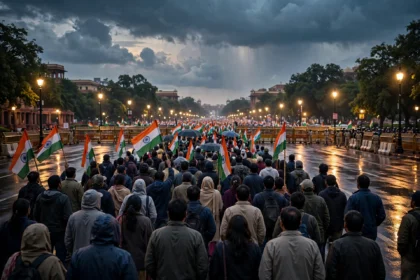
The Commission had directed the 17 states and UTs to undertake the revision with January 1, 2027 as the qualifying date. “This is because the whole nation is on the streets against the Vote Chors,” Ramesh wrote, claiming the concession was forced by public pressure rather than offered in good faith.
“Suspend the SIR forthwith”
Ramesh did not stop at the resignation demand. He called for a full overhaul of the Commission and its IT systems, and the immediate suspension of the SIR, which he claimed has put “the Constitutional right to vote for over 13 crore Indians at risk.”
“Every time Vote Chori is caught, the Modi Govt adopts a new tactic: stopping readable voter rolls, fake voter additions, SIR. But not this time,” he wrote.
A political storm building
The Congress is not alone in turning up the heat. Speaking in Goa on Sunday, Rahul Gandhi said, “The entire country knows that CEC Gyanesh Kumar implements ‘vote chori’ and Amit Shah and PM Modi back him,” adding that “PM Modi, Amit Shah and CEC Gyanesh Kumar will face justice and pay the price for what they have done.”
Congress leader V Hanumanth Rao backed the campaign, saying that if an injustice is committed against the public, it is the Opposition’s duty to speak out: “Should they just ignore the theft of votes? I have been in politics for forty-five years, and I have never seen such blatant theft of votes.”
The BJP has rejected the allegations in the past, calling them an attack on a constitutional body. With Opposition leaders having already met the President over the EC row and more protests on the streets, the voter-roll battle is fast becoming the defining political fight of this season.
Whether Ramesh’s demand moves the needle inside the Commission remains to be seen, but one thing is clear: the battle over India’s voter rolls is no longer a technical debate. It is now the centre of the country’s political war.
FAQs
What did Jairam Ramesh accuse the ECI of?
He accused the Election Commission of enabling “Vote Chori” by denying political parties searchable electoral rolls for eight years.
What is Ramesh demanding?
The resignation of Chief Election Commissioner Gyanesh Kumar, a revamp of the ECI and its IT systems, and the immediate suspension of the Special Intensive Revision.
What is the Special Summary Revision?
The ECI has ordered a revision of electoral rolls in 17 states and UTs with January 1, 2027 as the qualifying date, and will provide searchable rolls to parties for this exercise.
Why does the Congress want searchable voter rolls?
Searchable rolls let parties and researchers detect bogus or duplicate entries. The Congress says the ECI stopped sharing them in 2018 after it found lakhs of bogus voters in Madhya Pradesh.
How has the BJP responded to the “vote chori” charge?
The BJP has consistently rejected the allegations, describing them as baseless attacks on a constitutional institution.
Stay tuned to Informeia for the latest updates on this developing story.