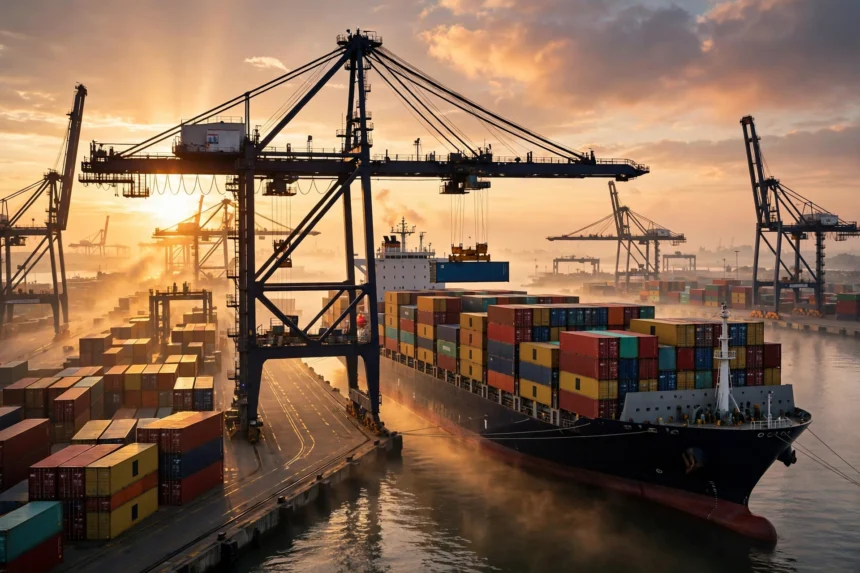
India’s food exporters have a new reason to cheer. The Trade Promotion Council of India (TPCI) has signed a memorandum of understanding with the UK-India Business Council (UKIBC) to deepen bilateral commercial ties under the India-UK Comprehensive Economic and Trade Agreement (CETA), the industry body announced on Thursday. The pact is aimed at turning the promise of the July trade deal into real orders, starting with a sector that has enormous room to grow: processed food.
The agreement follows an India-UK Trade Promotion Event on Food and Beverages held in London on October 15, which brought together 48 Indian exporting companies and 150 UK-based importers for one-on-one business meetings. TPCI chairman Mohit Singla described the MoU as “a major milestone in taking India-UK trade engagement from policy to partnership.”
What the TPCI-UKIBC MoU covers
The MoU establishes a dedicated framework for institutional business collaboration between the two trade bodies. Under it, TPCI and UKIBC will:
- Connect Indian exporters with British buyers across food and beverage categories
- Organise trade missions and B2B matchmaking events in both countries
- Share market intelligence on regulations, standards and consumer trends
- Create growth opportunities for small and medium enterprises (SMEs) on both sides
Singla said both organisations would now be “deeply engaged in bilateral trade development, ensuring that the post-FTA momentum translates into tangible outcomes.”
Why food exports are the big play
The numbers explain why TPCI chose food and beverages as the launch sector. The United Kingdom imports processed food worth $50.68 billion every year, and India accounts for just 0.6 per cent of that, or $309.5 million. That gap is the opportunity.
Under CETA, UK tariffs of up to 70 per cent on processed foods, between 4.2 and 8.5 per cent on shrimp, and duties on instant coffee have been eliminated. With 99 per cent of Indian tariff lines now entering the UK duty-free, Singla said the landscape for Indian food exporters has transformed dramatically, giving them immediate competitive parity with producers from countries that already enjoy preferential access.
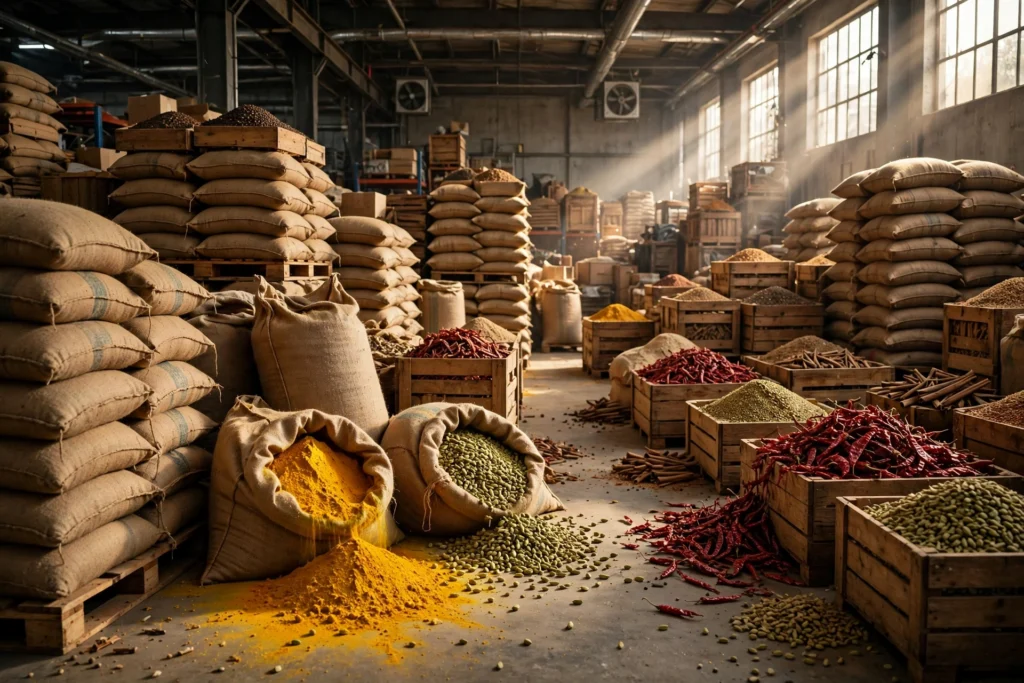
Tariff cuts at a glance
- Processed foods: UK tariffs of up to 70 per cent now eliminated
- Shrimp: duties of 4.2 to 8.5 per cent removed
- Instant coffee: import duties scrapped
- Overall access: 99 per cent of Indian tariff lines duty-free in the UK
Beyond food: the wider engagement
TPCI’s London outreach went beyond the food sector. The council also held discussions with the UK’s Department for Business, Innovation, Science and Trade (BIST), the London Chamber of Commerce and Industry (LCCI), and the Scotch Whisky Association on mutual business support and trade growth.
Bilateral trade between India and the UK reached 48 billion pounds, or about $65 billion, in fiscal 2025-26. Industry watchers say the pact could help Indian food brands move beyond the 1.86 million-strong Indian diaspora in the UK and build supply chains inside British retail and food service.
For exporters back home, the message from New Delhi is clear: the policy work is done, the tariff walls are down, and the MoU signed this week is meant to convert that into contracts. The next B2B rounds will show how quickly India’s food industry grabs the shelf space.
FAQs
What is the TPCI-UKIBC MoU about?
It is a partnership between the Trade Promotion Council of India and the UK-India Business Council to boost bilateral trade after the India-UK CETA came into force, focusing first on food and beverages.
When was the MoU announced?
The agreement was announced on Thursday, October 22, 2026, after an India-UK food and beverage trade promotion event in London on October 15.
Which Indian products benefit most from the pact?
Processed foods, shrimp and instant coffee are the immediate winners, as UK tariffs on these have been eliminated under CETA.
How big is the UK processed food import market?
The UK imports processed food worth $50.68 billion annually, of which India supplies only 0.6 per cent, or $309.5 million, leaving huge headroom for growth.
What is CETA?
The India-UK Comprehensive Economic and Trade Agreement, implemented on July 15, 2026, lowers or removes tariffs across thousands of product lines to boost trade and investment between the two countries.
Stay tuned to Informeia for more updates on India-UK trade and the economy.