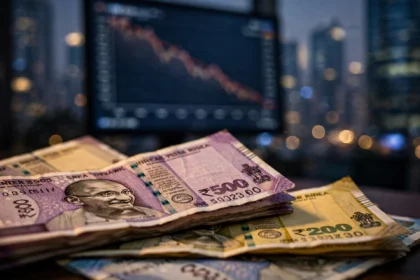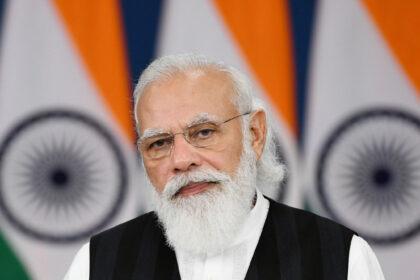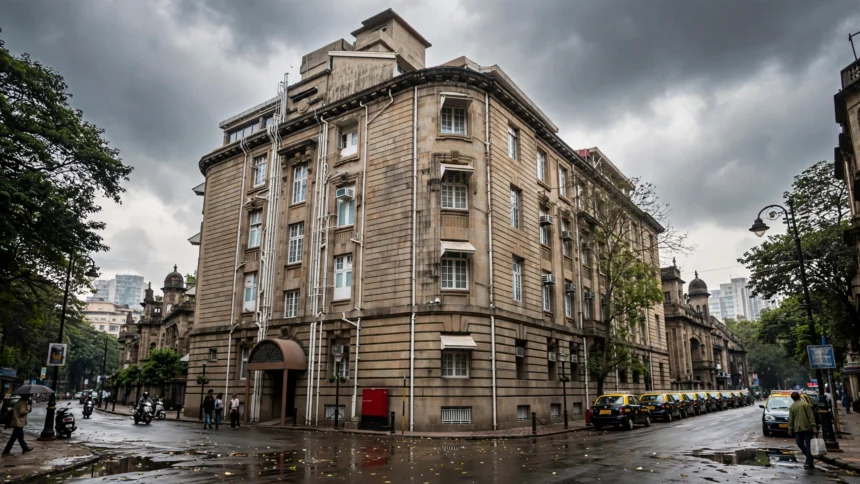
Mumbai: The boardroom battle at the House of Tata has reached the highest office in the country. Six of the largest Parsi and Zoroastrian organisations in the world have written to Prime Minister Narendra Modi, backing the Tata Trusts and urging the government to help safeguard the character of the Tata Group.
The letter, dated October 7 and first reported today, says the fight over whether Tata Sons should list on the stock exchange is not a technical or regulatory matter. The character and purpose of Tata Sons are at stake, the signatories argue, calling the group a national institution and the pride of every Indian.
What the six organisations said
The signatories are the Bombay Parsi Punchayet, the Federation of Parsi Zoroastrian Anjumans of India, the Federation of Zoroastrian Associations of North America, the Zoroastrian Trust Funds of Europe, the Global Council of Zoroastrians Trust and the World Zoroastrian Chamber of Commerce. Together, they say, they represent the religious, social, charitable and commercial life of the Parsi and Irani Zoroastrian community in India and around the world.
“The implications reach much further,” the organisations wrote. “Any change that alters the balance between long-term stewardship and short-term market expectations could affect the very fabric, ethos and defining character of Tata Sons and by extension the wider Tata group. Preserving the values that have distinguished the Tatas for generations is a matter of considerable national importance.”
The listing fight behind the letter
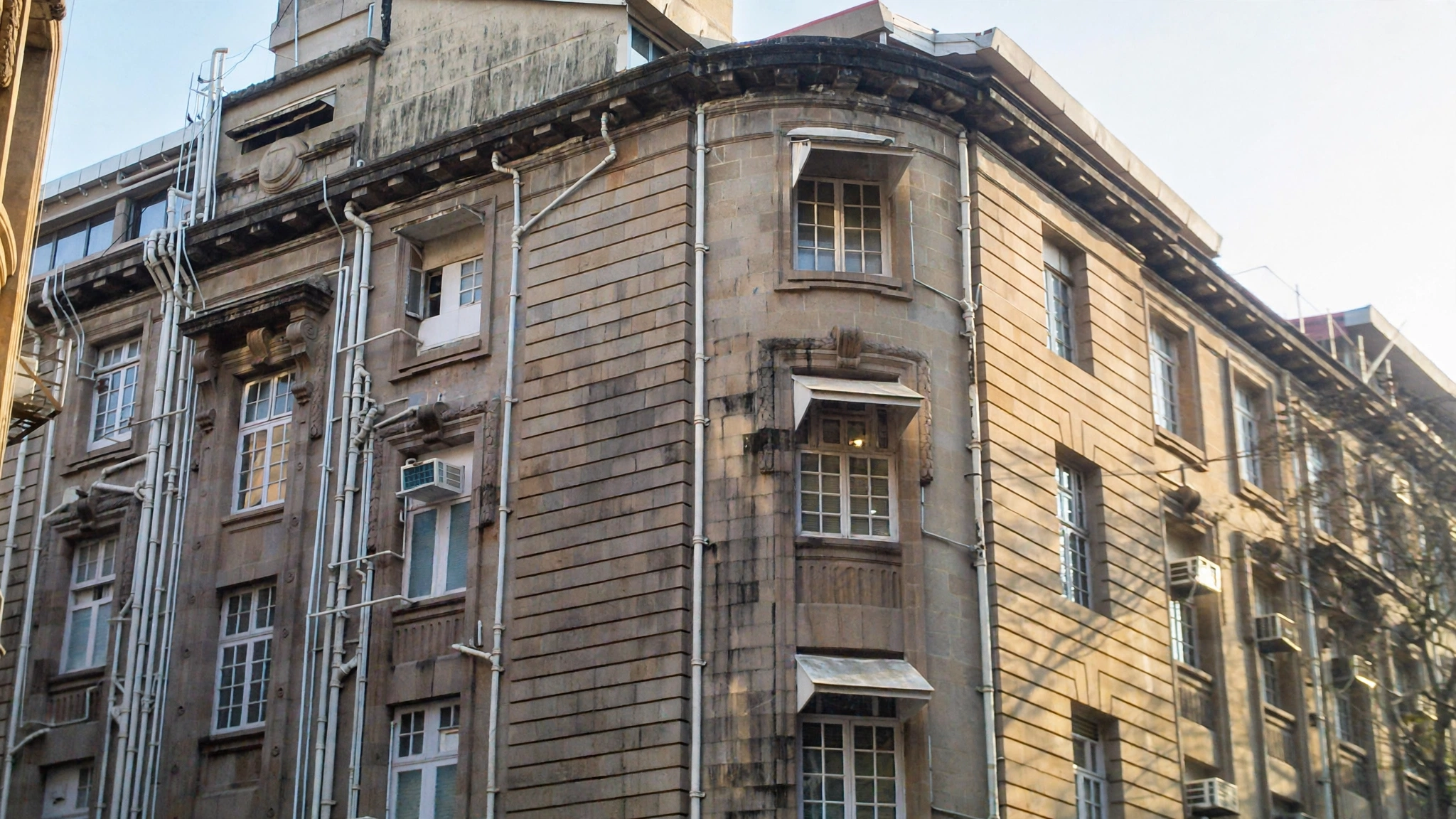
At the centre of the dispute is the Reserve Bank of India. In 2022, the central bank classified Tata Sons as an upper-layer non-banking finance company, a category that carried a deadline of September 2025 to go public. Last month, the RBI decided to retain Tata Sons in that category, meaning compliance would require the holding company to list its shares.
The Tata Trusts, which own roughly 66 per cent of Tata Sons, have opposed the listing. They have suggested a restructuring plan involving the merger of two group subsidiaries with the holding company as a way to escape the listing requirement, while remaining unlisted.
On September 17, the two sides pulled in visibly different directions. Tata Sons cleared steps towards listing and handed chairman N Chandrasekaran a fresh five-year term, while the Trusts held their ground. Since then, the tension has spilled into the courts as well.
A legal front is opening too
NDTV Profit has reported that Noel Tata and his son Neville have filed caveats in the Bombay High Court and the City Civil Court, a legal move that ensures they are heard before any order is passed in related proceedings.
Separately, the dispute has reached the charity commissioner’s office, where the conduct of the charitable trusts at the top of the Tata empire is under scrutiny. The Parsi bodies’ letter arrives in the middle of all this, framing the conflict as something bigger than a shareholder disagreement.
Why the ownership model matters
According to CNBC-TV18, the letter credits the Tata Trusts’ majority ownership for enabling the group to pursue long-term objectives while staying committed to ethics, philanthropy and social responsibility. It points to institutions the group built over generations: the Indian Institute of Science, the Tata Institute of Fundamental Research, the Tata Institute of Social Sciences and Tata Memorial Hospital.
It also flags the group’s current bets on the future: information technology, defence, semiconductors, clean energy and electric mobility. The argument is that a listing would tilt the balance towards short-term market expectations, diluting the patient capital model that made these investments possible.
Whether the government responds, and how the RBI’s classification holds up against the Trusts’ restructuring plan, will decide one of the biggest corporate questions of the decade. For now, the community that gave the Tatas to India has spoken, and its letter sits on the Prime Minister’s desk.
Frequently asked questions
Why do the Tata Trusts oppose the listing of Tata Sons?
The Trusts argue that a listing would subject Tata Sons to short-term market pressures, altering the group’s long-term stewardship model. They have proposed merging two subsidiaries with the holding company to meet regulatory norms without listing.
What is an upper-layer NBFC?
It is a Reserve Bank of India classification for the largest non-banking finance companies, carrying stricter norms, including a requirement to list on the stock exchange. Tata Sons was placed in this category in 2022, with a September 2025 deadline that the RBI has since reaffirmed.
Who wrote the letter to Prime Minister Modi?
Six Parsi and Zoroastrian organisations: the Bombay Parsi Punchayet, the Federation of Parsi Zoroastrian Anjumans of India, the Federation of Zoroastrian Associations of North America, the Zoroastrian Trust Funds of Europe, the Global Council of Zoroastrians Trust and the World Zoroastrian Chamber of Commerce.
What happens next in the Tata dispute?
The key questions are whether the Trusts’ restructuring plan satisfies the RBI, how the legal proceedings play out, and whether the government responds to the community’s plea. Any decision will shape the future ownership of one of India’s largest conglomerates.
Stay tuned to Informeia for the latest updates on this developing story.