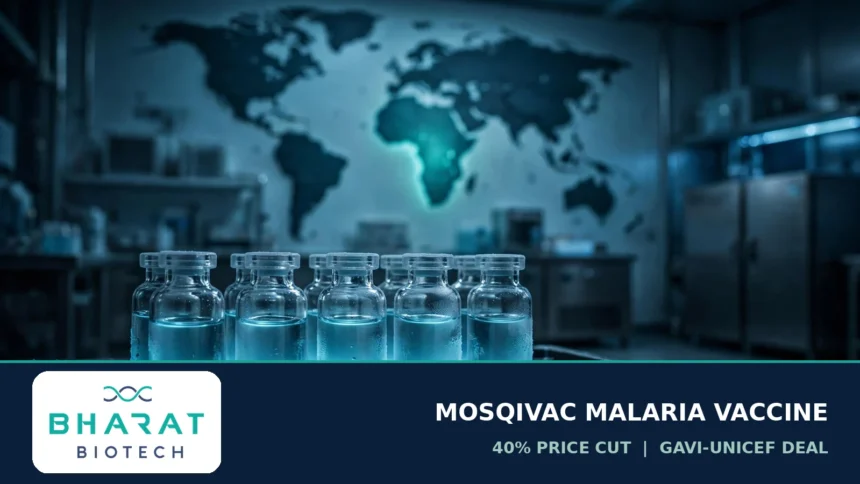
In one of the biggest affordability moves in global health this year, Hyderabad-based Bharat Biotech has agreed to slash the price of the world’s first malaria vaccine by around 40 per cent. The deal, struck with Gavi, the Vaccine Alliance, and UNICEF, will bring the cost of the Mosqivac vaccine down to EUR 5.50 a dose from early 2027, and it is expected to free up about US$50 million for child immunisation programmes between 2027 and 2029.
That saving translates into something far more concrete: according to Gavi and UNICEF estimates, up to one million more children could receive the full four-dose course of the vaccine. The announcement came on Thursday, at a moment when malaria programmes are under strain from shrinking international aid budgets.
What the deal actually changes
The price cut is aimed squarely at the way the vaccine is bought, not how it is made. Under the agreement, which will be executed by UNICEF and financially backed by Gavi, the vaccine’s price falls from EUR 9.30 a dose, the price currently paid under the Gavi-funded programme, to EUR 5.50. The mechanics were made possible by an advance payment from the International Finance Facility for Immunisation, or IFFIm, a funding mechanism that front-loads aid money to secure better prices.
- Price: EUR 5.50 per dose, down about 40 per cent, effective from early 2027
- Savings: around US$50 million for immunisation programmes between 2027 and 2029
- Reach: up to one million more children to get the full four-dose course
- Enabler: advance payment by the International Finance Facility for Immunisation (IFFIm)
“The Gavi-UNICEF deal is a far-reaching commitment to expand malaria vaccination,” Dr Krishna Ella, Executive Chairman of Bharat Biotech International, said in a release. “As partners in global public health, we have invested significantly to expand supply, strengthen manufacturing and support sustainable, affordable access to malaria vaccines.”
From GSK to Bharat Biotech
The vaccine in question, RTS,S/AS01, was developed by British drugmaker GSK with the non-profit PATH and its partners. It made history in 2021 when it became the first malaria vaccine ever recommended by the World Health Organization. Since then, GSK has been transferring the technology to Bharat Biotech, which manufactures the shot under the brand name Mosqivac.
The Hyderabad company and GSK have together invested US$200 million in new, higher-output manufacturing facilities, product development and the technology transfer itself, with the goal of expanding supply and pushing production costs down. GSK will continue to supply the adjuvant, a key component of the vaccine, even after Bharat Biotech fully takes over production in 2028. The two companies have also said they want to push the price below US$5 a dose by 2028.
Why it matters right now
The timing is not accidental. Global health programmes are coping with declining international aid funding, just as demand for malaria vaccines has beaten every forecast. UNICEF has procured and delivered more than 74 million doses, and Gavi-funded malaria vaccination has been folded into routine childhood immunisation in 25 African countries.
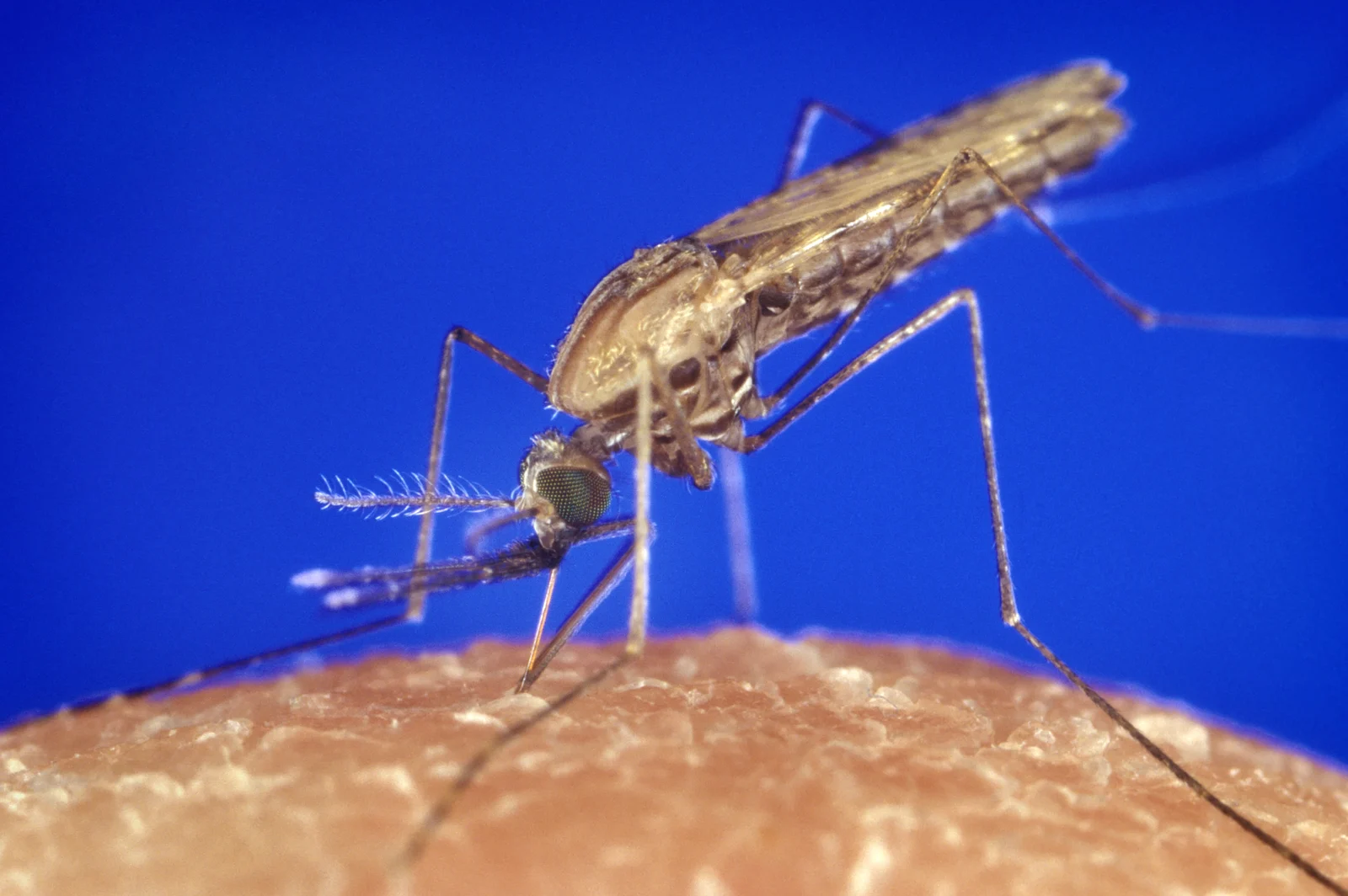
The disease burden makes the stakes clear. Malaria caused an estimated 282 million cases and 610,000 deaths worldwide in 2024, with Africa accounting for roughly 95 per cent of cases and deaths. Children under five made up about 74 per cent of the deaths in the region. Bharat Biotech notes that a complete four-dose course of RTS,S/AS01 cuts malaria cases by around 75 per cent when given seasonally in areas with high seasonal transmission. Gavi has set itself the goal of vaccinating an additional 50 million children against malaria by 2030.
“This new agreement follows major investment by both GSK and Bharat Biotech to help secure long-term equitable access to RTS,S/AS01 for many more children,” said Harmony P. Garges, GSK’s chief global health officer.
The fine print
The deal is not unconditional. It is subject to regulatory and manufacturing milestones that must be met before UNICEF starts buying doses at the new price, including WHO prequalification of a new manufacturing facility. There is precedent here: Gavi and UNICEF struck a similar agreement last year to cut the price of another malaria vaccine, made by the Serum Institute of India, by 25 per cent.
FAQs
How much will the Mosqivac vaccine cost now?
The price will fall to EUR 5.50 per dose from early 2027, about 40 per cent less than the EUR 9.30 currently paid under the Gavi-funded programme.
When does the new price take effect?
Early 2027, once regulatory and manufacturing milestones are met, including WHO prequalification of the new facility.
How many children will benefit?
Around US$50 million in savings between 2027 and 2029, enough to give the full four-dose course to up to one million more children, per Gavi and UNICEF estimates.
Who manufactures the vaccine now?
GSK developed it with PATH, and technology is being transferred to Bharat Biotech, which makes it as Mosqivac.
What is RTS,S/AS01?
The world’s first WHO-recommended malaria vaccine, approved for the recommendation in 2021. A full four-dose course reduces malaria cases by about 75 per cent when given seasonally in high-transmission areas.
For millions of families in malaria-endemic countries, this is the difference between a vaccine that programmes can afford and one they cannot. If the milestones hold, early 2027 will mark the moment the malaria vaccine finally gets cheaper to protect with.