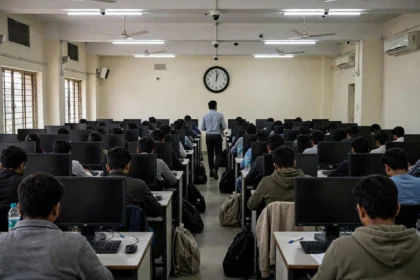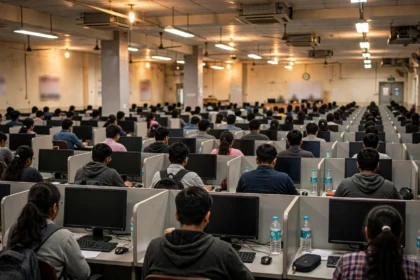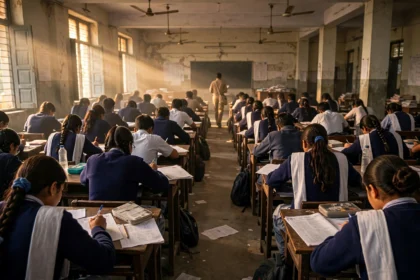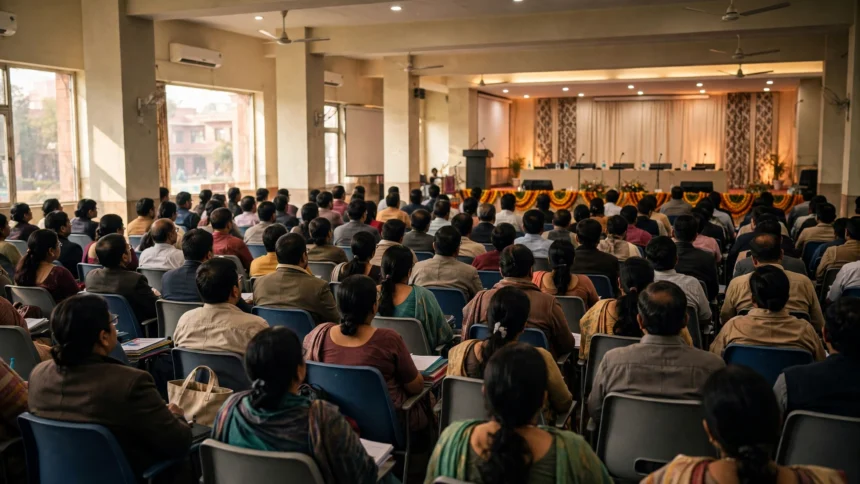
New Delhi is hosting a conversation this week that goes straight to the heart of what school is actually for. The Central Board of Secondary Education (CBSE), together with the Sahodaya School Complexes of Delhi and the National Capital Region, opened its fourth National Summit on “Facilitating School-to-Work Transition” in the capital on Monday, October 26. The two-day summit runs through Tuesday, October 27, and it brings together the people who shape what students learn and what employers actually need: school leaders, teachers, industry experts and policymakers.
The question on the table is simple to ask and hard to answer. When a student leaves school, are they ready for what comes next, whether that is college, a skill course or a first job? For years, skill education sat alongside mainstream schooling, almost like a separate track. This summit is about pulling it into the centre, so that a student does not have to choose between a good education and a useful one.
Four priorities set the agenda
School Education Secretary T. K. Anil Kumar, who attended the inaugural session along with CBSE Chairman Dr. Mandeep Bhandari and senior officials from the Education Ministry and CBSE, laid out four priorities that will anchor the discussions over the two days.
- Technology, digital safety and skills: helping students use technology confidently and safely, not just consume it.
- Design, creativity and innovation: giving students room to build, make and solve problems, rather than only memorise answers.
- Recognition of skills across education systems: making sure a skill a student picks up in school counts when they move to college or training, through the National Credit Framework.
- Career guidance with equitable pathways: so that good advice about jobs and courses reaches every student, not only those in big-city schools.
Anil Kumar called for seamless movement from school education into higher education, skilling and employment. The point, he said, is that learners should be able to make informed choices, keep growing through life, contribute to society and live with dignity.
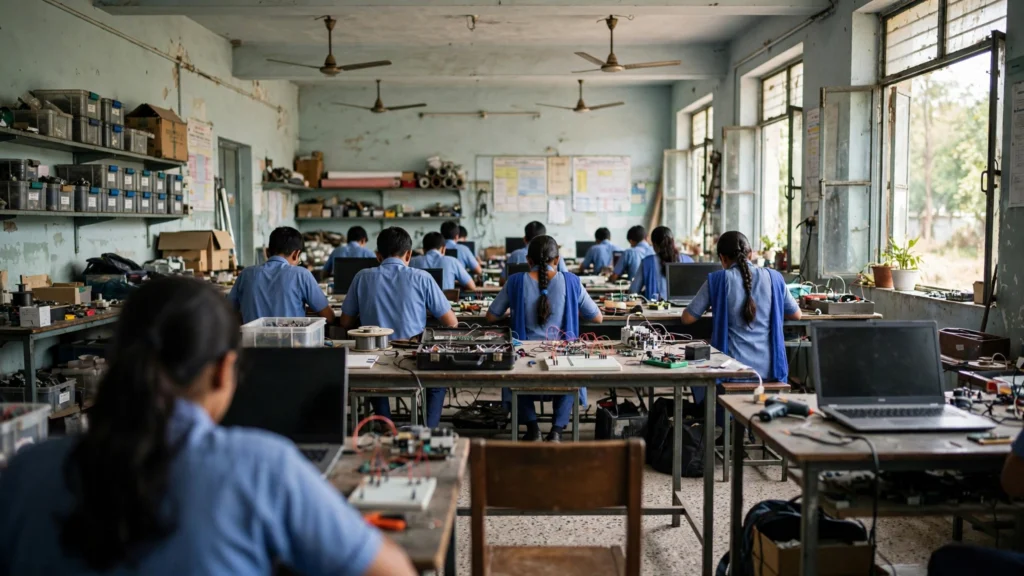
Why the school-to-work gap matters now
India’s classrooms are full of students who will enter a job market that looks nothing like the one their parents entered. New roles appear every year, old ones change shape, and employers increasingly ask for proof of what a person can do, not just which exam they passed. The summit, according to the Education Ministry, underlines the need to break down barriers between different streams of education and to equip students with the competencies needed to navigate this changing employment landscape, in line with the National Education Policy (NEP) 2020.
That is where the National Credit Framework comes in. In plain terms, it is a way of recognising learning wherever it happens, in a classroom, a workshop or a training programme, so that it can carry forward. For a student, that could mean a vocational module taken in school still counts later. For schools, it means skill courses stop being an add-on and start being part of the main story.
The summit is also a networking exercise. Participants are using the two days to connect, compare notes and build partnerships for guidance and support, the kind of links between schools and industry that often decide whether a skill programme works on the ground or only on paper.
What the two days will cover
Across the sessions, delegates are discussing emerging workforce requirements and new approaches to preparing students for future careers. The programme includes expert discussions and interactive sessions on teaching practices, assessment approaches, digital integration in education and models for strengthening skill education. Schools affiliated with CBSE are also sharing their own experiences, including case-based papers and posters, so the conversation stays grounded in what actually happens in classrooms.
For parents and students watching from outside the hall, the summit itself will not change anything overnight. No new policy decision has been announced at the event. Its value lies in the direction it sets: skill education woven into regular schooling, career guidance taken seriously, and learning recognised across systems. If those ideas travel from Delhi’s conference rooms into school timetables across the country, the students who benefit most will be the ones still deciding what they want to become.
FAQs
What is the CBSE National Summit on school-to-work transition?
It is CBSE’s fourth national summit on helping students move smoothly from school into higher education, skilling or employment, organised with the Sahodaya School Complexes of Delhi/NCR.
When and where is the summit being held?
The summit is being held in New Delhi on October 26 and 27, 2026.
Who is attending the summit?
School leaders, educators, industry experts and policymakers, along with senior officials from the Education Ministry and CBSE.
What are the four priorities discussed at the summit?
Technology, digital safety and skills; design, creativity and innovation; recognition of skills through the National Credit Framework; and career guidance with equitable pathways.
Does the summit announce a new CBSE policy?
No new policy decision has been reported from the summit. It is a deliberation forum focused on skill education, teaching practices and the school-to-work transition under NEP 2020.
The summit closes on Tuesday, and what it leaves behind is a sharper question for every school in the country: when your students walk out of the gate for the last time, are they ready for the world waiting outside it?