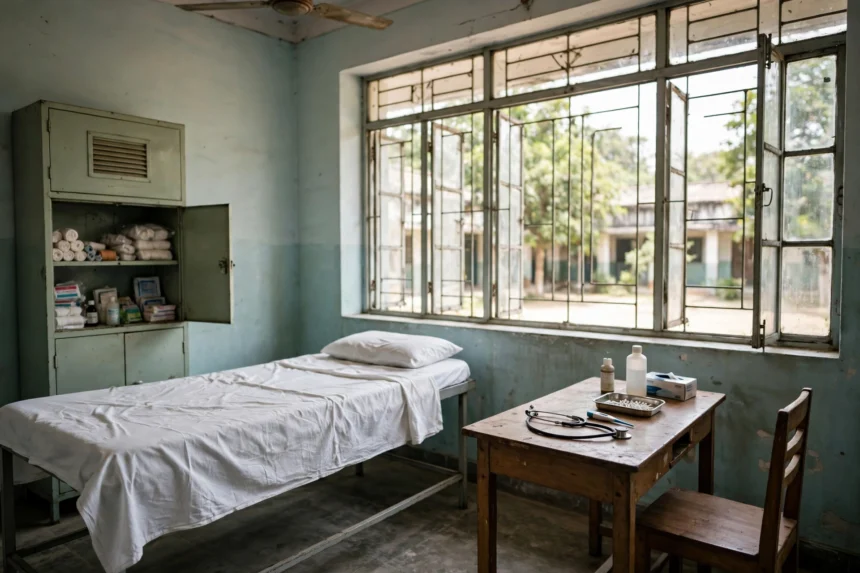
New Delhi: When a child falls sick or gets hurt at school, the first few minutes matter the most. In Delhi’s government schools, those minutes have often passed without a proper room to rest in or a trained person to turn to. That is set to change. The Delhi government has announced first-aid medical rooms in all 1,086 government schools under the Directorate of Education, at an estimated annual cost of Rs 48.87 crore.
Education Minister Ashish Sood announced the plan on Sunday, saying every school will get a dedicated space for basic medical care during school hours, staffed by a trained health worker. The idea is simple and practical: minor injuries, sudden illness, dizziness and fatigue should be handled quickly, safely and with privacy, right inside the school campus, instead of sending a worried child home or waiting for outside help.
What each medical room will offer
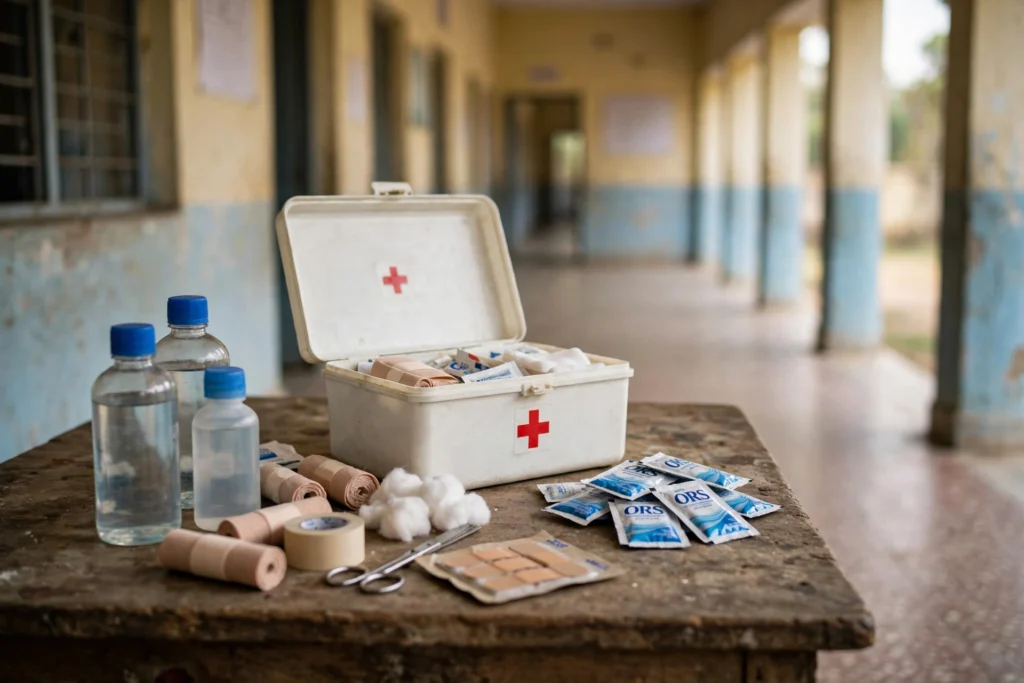
Each facility will be staffed by a qualified health worker, such as an Auxiliary Nurse Midwife (ANM) or a multipurpose health worker. The rooms will provide basic first aid, wound dressing, oral rehydration solution (ORS) and supervised temporary rest. For girl students, they will also offer a safe and private space during menstrual discomfort, a detail that many parents and teachers have welcomed as long overdue.
What the rooms will not do is equally important. They will not offer diagnostic services and they will not prescribe medicines. That boundary keeps the focus on immediate, non-clinical care and avoids turning a school room into a clinic. Anything that needs a doctor, a test or a prescription will still be referred onward, but the child will first be stabilised, rested and looked after.
Phased rollout, starting where rooms already exist
The rollout will happen in phases. Schools that already have a separate room will be covered first. Schools without dedicated space will follow, with alternative rooms or porta cabins arranged for them. The phased approach matters because Delhi’s government schools vary widely in size and layout, and a single deadline for every campus would have been unrealistic.
Officials said the initiative is aligned with the National Education Policy (NEP) 2020, which calls for safe, inclusive and supportive learning environments.
Education Minister Ashish Sood put the human case plainly: every child in a government school deserves a safe and caring environment, and when a student falls sick or gets hurt, parents and teachers should have peace of mind knowing that immediate first aid and proper care are available right inside the campus.
Why this matters beyond first aid
School health is often treated as an afterthought, something to think about only after an incident. In practice, it shapes attendance, confidence and learning. A child who knows help is nearby is less anxious. A teacher who can hand a dizzy student to a trained worker can get back to teaching. A parent who gets a calm call, rather than a panicked one, trusts the school more.
The plan also recognises a quiet reality of school life: adolescent health needs privacy. Menstrual discomfort, anxiety and fatigue are not emergencies, but they are real reasons children miss class. A private room, staffed by a trained worker, gives students dignity and a chance to recover and return to class.
- Coverage: all 1,086 Directorate of Education schools in Delhi
- Annual cost: an estimated Rs 48.87 crore
- Staffing: one trained health worker per school, such as an ANM or multipurpose health worker
- Services: first aid, wound dressing, ORS, supervised rest and menstrual health privacy
- Not included: diagnostic services and prescription medicines
- Rollout: phased, starting with schools that already have a separate room
What to watch next
The announcement is the easy part. The test will be in staffing, supplies and upkeep: whether every room actually has a trained worker present through the school day, whether first-aid kits are restocked, and whether porta cabins in space-starved schools arrive on time. Parents and school management committees will be watching those details closely, and rightly so.
If the rollout holds, Delhi will have built something quietly valuable: a basic health safety net inside every government school, available to every child regardless of family income. That is a modest promise, but for a child with a scraped knee or a sudden fever, it can make a school day feel much safer.
FAQs
How many Delhi government schools will get medical rooms?
All 1,086 schools under the Directorate of Education will get first-aid medical rooms.
What will the medical rooms cost?
The plan is estimated to cost Rs 48.87 crore per year.
Who will staff the medical rooms?
Each school will have a trained health worker, such as an Auxiliary Nurse Midwife (ANM) or a multipurpose health worker.
Will the rooms prescribe medicines or run tests?
No. They will provide basic first aid only and will not offer diagnostic services or prescription medicines.
When will the rooms be ready?
The rollout will be phased, starting with schools that already have a separate room, followed by schools needing alternative rooms or porta cabins.
For now, the message is clear: a safer school day starts with a room, a trained worker and a few calm minutes of care. The next step is making sure that promise reaches every one of the 1,086 campuses.