New Delhi: A notification issued on Monday, 26 October 2026, has already sparked confusion in driver WhatsApp groups across India. No, E100 is not about to replace the petrol at your neighbourhood pump. And no, you cannot simply fill it into any car and drive away.
What the Ministry of Road Transport and Highways (MoRTH) has actually done is clear the regulatory path for a very specific kind of vehicle to run on very high ethanol fuel. Amendments to the Central Motor Vehicles Rules, 1989, notified as G.S.R. 911(E), bring E100 into the emission standards for flex-fuel vehicles, alongside E85. The message at the heart of the change is simple: higher ethanol fuel is only for cars built and certified for it.
What changed on Monday
Until now, Rule 115 of the Central Motor Vehicles Rules, which deals with vehicle emission standards, referred to E85 for flex-fuel vehicles. The new notification replaces those references with “E85 or E100” in multiple provisions. The notification also raises the weight threshold for certain light vehicles from 3,000 kg to 3,500 kg. The gazette wording is blunt: “E85 or E100 shall be used in the vehicles designed by the original equipment manufacturers as Flex-fuel vehicles.”
What E100 actually is
The names tell most of the story. E20, already sold across India, is 20 percent ethanol blended with 80 percent petrol. E85 is 85 percent ethanol and 15 percent petrol. E100 is fuel made from nearly pure ethanol. In commercial practice it typically contains 93 to 95 percent ethanol, with a small share of petrol and additives to help with starting and combustion.
Who can use it, and who cannot
This is the clarification the ministry stressed on Monday, and it matters more than the notification itself. Fuel beyond E20 and up to E100 is intended only for vehicles designed and certified to use it. A senior road transport ministry official told news agency PTI that such fuel will not apply to regular vehicles.
- Flex-fuel vehicles: These can run on a range of petrol-ethanol blends, from E20 up to E100, depending on their certification. Their engines and fuel systems adjust to whatever blend is in the tank.
- E20 or regular petrol cars: These cannot use E85 or E100. Their engines, seals and fuel systems were not designed for such high ethanol concentrations.
- Existing car owners: Nothing is being forced on you. The notification does not require owners of existing vehicles to switch to E85 or E100, or to modify their cars, now or in the future.
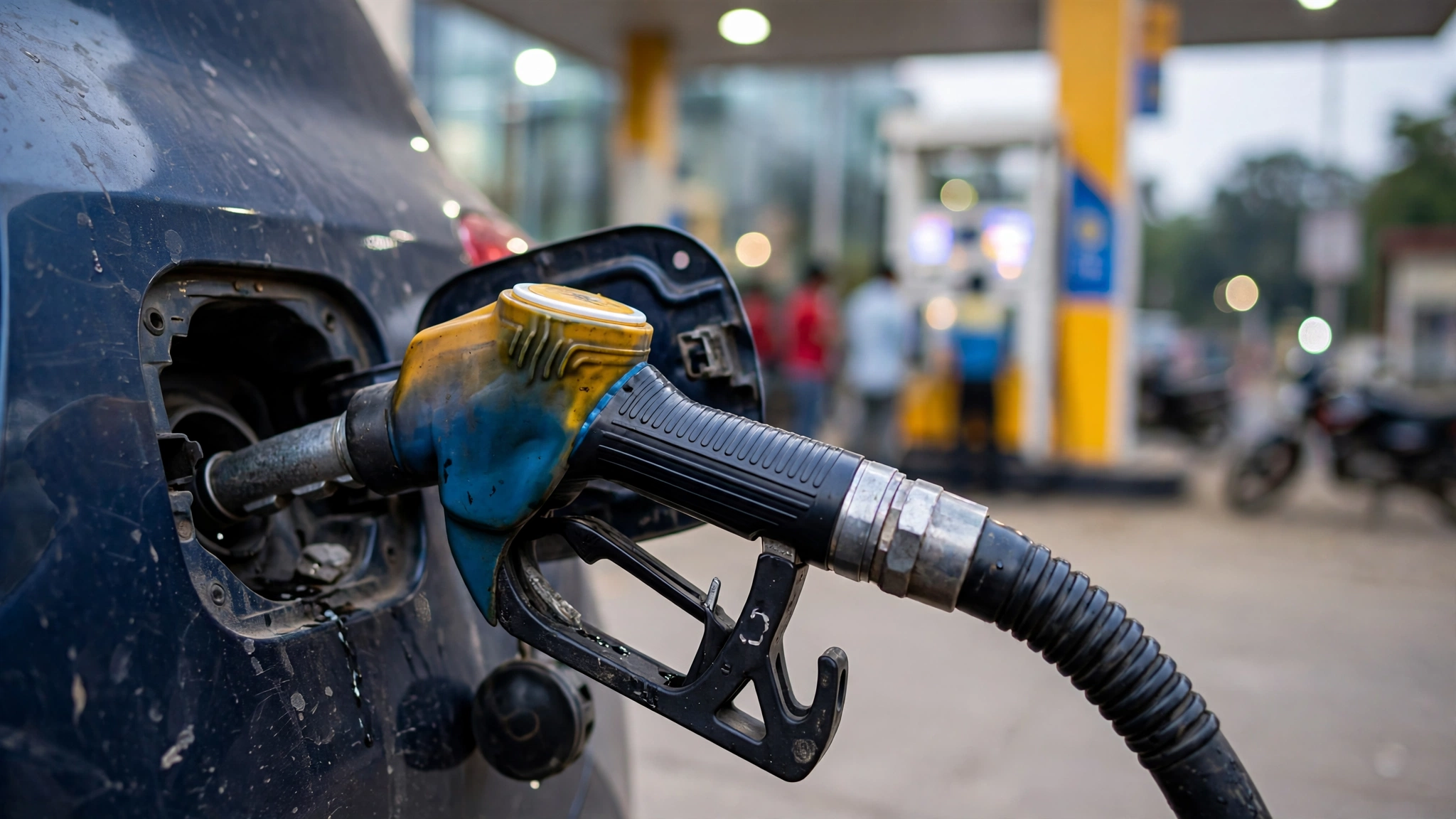
Why the government is pushing ethanol
Three reasons drive the programme. First, crude oil imports are one of the biggest contributors to India’s current account deficit, so every litre of ethanol that replaces petrol eases that bill. Second, ethanol has a lower carbon footprint than conventional petrol, and officials say higher blends also mean lower emissions of carbon monoxide and certain hydrocarbons. Third, ethanol demand supports sugarcane and maize farmers and the domestic ethanol industry.
Which cars are we talking about?
Right now, the list is short. In June 2026, Maruti Suzuki launched India’s first flex-fuel passenger vehicle, the Wagon R Flex Fuel, which can run on blends from E20 to E100. Other major carmakers, including Toyota, Tata Motors and Hyundai, are developing flex-fuel vehicles for India, according to multiple reports on Monday.
What should drivers do now?
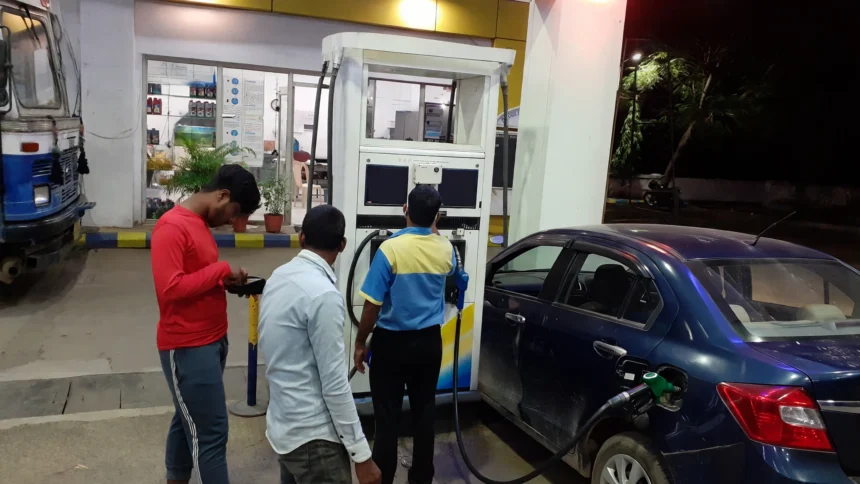
For most drivers, the honest answer is: nothing different at the pump this week. Keep using the fuel your car is certified for, and do not experiment with higher blends because a social media post claims ethanol is cheaper or greener.
The bigger story is not a sudden change at the pump. It is India moving its fuel rulebook one notch further away from pure petrol, while drawing a bright line around who is allowed to make that jump. Cars built for E100 can now run on it legally and cleanly. Every other car should stay exactly where it is: on the fuel it was built for.
Frequently asked questions
Can I put E100 in my regular petrol car?
No. E100 and E85 are only for vehicles designed and certified as flex-fuel vehicles. A regular petrol or E20 car cannot use them.
When will E100 be available at pumps near me?
There is no announced timeline for nationwide commercial availability. The rules are notified, but vehicle supply and fuel infrastructure will take time to follow.
What is the difference between E20, E85 and E100?
E20 is 20 percent ethanol and 80 percent petrol. E85 is 85 percent ethanol. E100 is nearly pure ethanol, typically 93 to 95 percent ethanol.
Is there already a flex-fuel car on sale in India?
Yes. Maruti Suzuki launched the Wagon R Flex Fuel in June 2026, India’s first flex-fuel passenger vehicle, capable of running on blends from E20 to E100.
Do existing car owners need to modify their vehicles?
No. Officials have said existing owners are not required to switch to E85 or E100 or modify their vehicles. Follow your car’s fuel sticker and owner’s manual.
Stay with Informeia for updates on flex-fuel launches, fuel prices and auto policy as E100 moves from the rulebook to the road.