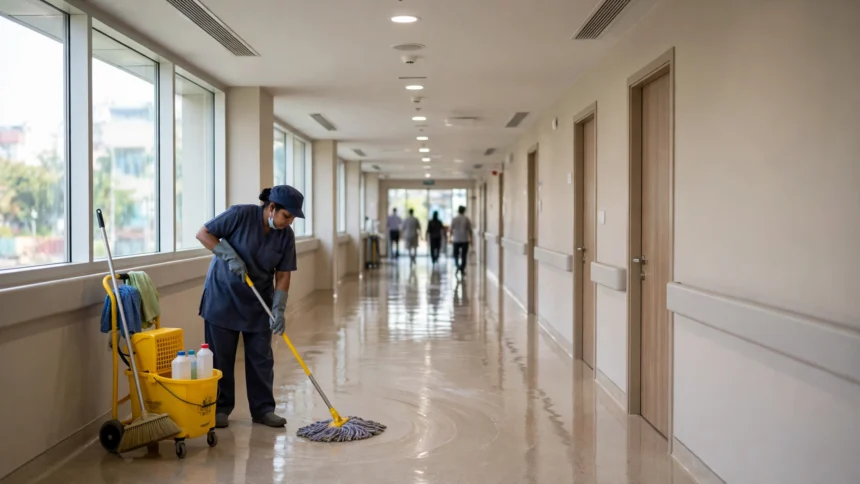
From AIIMS wards in Rishikesh to primary health centres in small towns, public hospitals across India are spending today very differently from a normal Tuesday. October 27, 2026 is Kayakalp Day, a nationwide one-day sanitation and hygiene drive under the Union government’s Special Campaign 6, and the message from New Delhi is blunt: cleanliness in a hospital is not decoration, it is patient safety.
The drive was set in motion on Monday, October 26, when Union Health Secretary Punya Salila Srivastava chaired a high-level review from Kartavya Bhawan-1 in New Delhi. Leaders from 336 central health facilities and administrative offices joined the session, and the instruction that followed was clear. Today’s work must be visible, measurable and lasting, not a ceremonial sweep for the cameras.
336 facilities, one shared checklist
The review brought together some of the country’s best known public institutions. AIIMS branches in Guwahati, Rishikesh and Bhubaneswar took part, along with NIMHANS Bengaluru, Lady Hardinge Medical College, Safdarjung Hospital and the Regional Institute of Medical Sciences in Imphal. The Central Drugs Standard Control Organisation’s Ahmedabad unit, Central Government Health Scheme units and central public sector undertakings were also part of the meeting.
Medical colleges have a specific role today. The National Medical Commission, in a public notice dated October 15, asked every medical college and institution to take part in Kayakalp activities on October 27. Deans, principals, directors and heads of institutions have been told to ensure active participation, and each institution must nominate a nodal officer to coordinate the work and compile the post-activity report.
That report is due to the Health Ministry’s Internal Work Study Unit by 4 pm today, in the prescribed format. The deadline is deliberate. It forces institutions to document what actually changed, rather than simply announcing that a drive took place.
What hospitals are actually doing today
Today’s Kayakalp activities go well beyond sweeping floors. Facilities have been asked to focus on the areas patients notice first, and the risks doctors worry about most:
- Deep cleaning of high-footfall areas, outpatient departments, wards and public conveniences.
- Strict biomedical waste segregation, along with better handling of e-waste and general waste.
- Pest control, upkeep of public spaces and maintenance of green areas inside hospital premises.
- Hand hygiene drives and a fresh check of infection prevention protocols.
- Clearing scrap, condemned furniture and obsolete records, including through authorised e-auction where feasible.
- Digitising medical records, improving grievance redressal and using QR code feedback so patients can report problems quickly.
Institutions were also encouraged to follow reduce, reuse and recycle principles. Several facilities shared examples during Monday’s review, including repurposing discarded material into usable items, refurbishing old
furniture, creating green spaces through plantation drives and turning deep-cleaning work into a routine rather than an annual event.
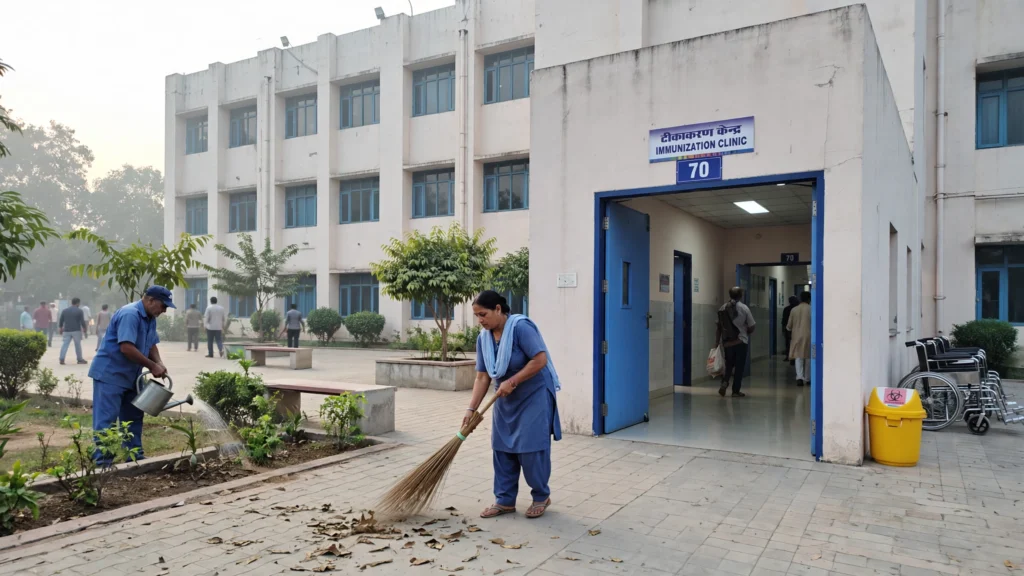
Why Kayakalp is not just another cleanliness campaign
Kayakalp began on May 15, 2015, as part of the wider Swachh Bharat push, and it has a specific job inside the health system. It promotes cleanliness, hygiene and infection control in public health facilities, recognises facilities that perform well, and encourages regular assessment and peer review so good practice spreads.
Special Campaign 6, which runs from October 2 to October 31, gives that long-running programme a sharper focus this month. The campaign aims to institutionalise cleanliness and cut pendency in government offices. Today’s one-day Kayakalp drive is its health-sector centrepiece, covering central hospitals and institutions as well as state-run medical, nursing, pharmacy and allied health colleges, district hospitals, sub-district hospitals, community health centres, Ayushman Arogya Mandirs, primary health centres and sub-centres.
What patients should look for
For patients and families, the test of today is simple, and it will still apply next week. Are toilets clean and usable? Is waste visibly segregated? Are hand hygiene points easy to find? Is there a clear way to complain, and does someone respond?
A one-day drive cannot fix years of strain on public hospitals by itself. But when 336 central facilities, plus thousands of state institutions, work to the same checklist on the same day, with photographs, reports and a 4 pm deadline, it becomes harder for cleanliness to slip back to being nobody’s job. That, more than any single cleaning drive, is the point of Kayakalp.
Today’s drive will be judged not by how hospitals look at noon, but by how they look in November, when the campaign banners come down and the routine work remains.
FAQs
What is Kayakalp Day?
Kayakalp Day is a dedicated one-day sanitation and hygiene drive in public health facilities, held on October 27, 2026 under Special Campaign 6.
Which facilities are taking part?
Central hospitals and institutions, medical colleges, district and sub-district hospitals, community health centres, Ayushman Arogya Mandirs, primary health centres and sub-centres are all encouraged to participate.
What does Kayakalp focus on?
Cleanliness, hygiene, infection control, biomedical waste management, pest control, upkeep of public spaces and better patient feedback systems.
When was Kayakalp launched?
The Kayakalp initiative was launched on May 15, 2015 to promote high standards of cleanliness, hygiene and infection control in public health facilities.
How will today’s work be reported?
Medical institutions must nominate a nodal officer and submit post-activity data to the Health Ministry by 4 pm on October 27, 2026.
Clean hospitals save lives quietly, every day. Today’s Kayakalp drive is a reminder that hygiene is healthcare, not housekeeping.