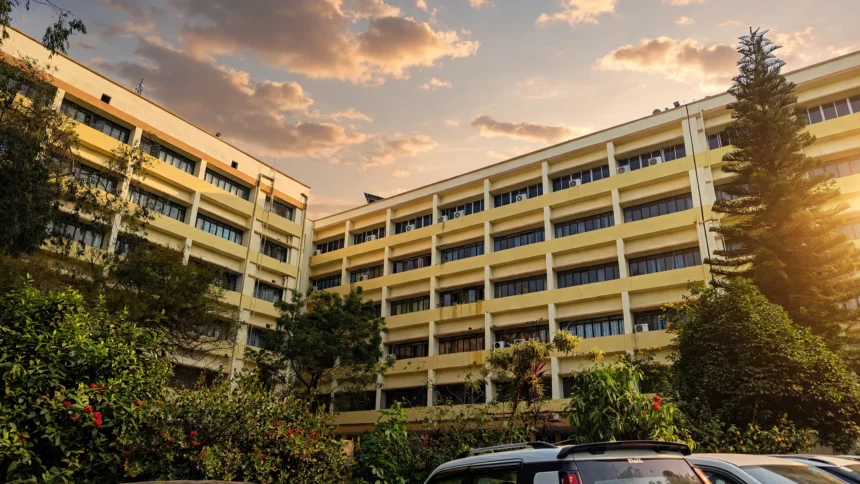
Cancer patients in Assam and the Northeast may soon stop travelling thousands of kilometres for one of the most advanced forms of radiation treatment. Belgium-based Ion Beam Applications, or IBA, announced on Wednesday that it has signed a contract with the Government of Assam to install the country’s first state-run proton therapy centre at Gauhati Medical College and Hospital, or GMCH, in Guwahati.
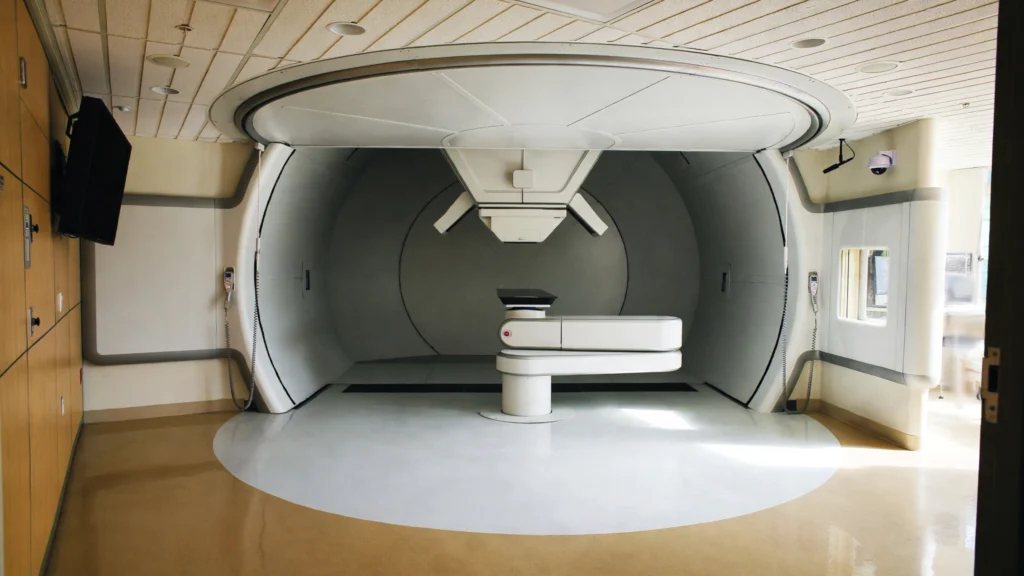
The centre will use IBA’s ProteusONE system, and the company will also handle operations and maintenance for several years under the deal. The first patient is expected to be treated by the end of 2029. The project is estimated to cost Rs 600 crore.
Chief Minister Himanta Biswa Sarma said the agreement, signed on Saturday at Lok Sewa Bhawan in Guwahati, will bring one of the world’s most advanced forms of radiation therapy into Assam’s public healthcare system. With this, Assam will become the first state in India to offer proton therapy through a state government hospital.
What the deal covers
The new facility will be developed as part of the Assam State Secondary Healthcare Initiative for Service Delivery Transformation, known as the ASSIST project. The Government of Assam has received financing from the World Bank for the project, and part of those funds will go towards the proton therapy centre.
Under the funding plan reported by the state government, the World Bank will provide Rs 315 crore, while the Government of Assam will contribute the remaining Rs 285 crore. The Assam Cabinet had earlier cleared the Rs 600 crore investment for the project.
IBA said the contract will be added to its order backlog once it receives the advance payment, which is expected before the end of this year. A ProteusONE system with a multi-year maintenance contract typically costs between 35 million and 45 million euros, according to the company.
Doctors, medical physicists and technicians at GMCH will also receive specialised training from IBA, including at international centres, so the hospital can run the facility on its own over time.
Why it matters for the Northeast
Proton therapy is a highly precise form of radiation treatment. Unlike conventional X-ray radiotherapy, proton beams can be aimed so that most of their energy is released inside the tumour, with less damage to the healthy tissue around it. Doctors often prefer it for cancers in children and for tumours close to sensitive organs such as the brain, eyes and spine.
Right now, this treatment is available at only two centres in India, Tata Memorial Hospital in Mumbai and Apollo Hospitals in Chennai. For a family in Assam or any of the other northeastern states, that has meant long journeys, weeks away from home and heavy expenses on top of the treatment itself.
In the private sector, a full course of proton therapy can cost up to Rs 50 lakh. A public facility at GMCH is expected to make the treatment far more affordable for patients who cannot pay private rates, though the state government has not yet announced the final pricing or how the treatment will be covered.
IBA’s Deputy Chief Executive Officer, Henri de Romrée, said bringing proton therapy into India’s public healthcare system is an important step towards making the treatment accessible to more patients, and the company looks forward to delivering the project with the Government of Assam.
What happens next
The Chief Minister has said the machine is expected to be installed within three years. Work on the centre will now move ahead at GMCH, which is the region’s main referral hospital for complex cases.
- End of 2026: IBA expects to receive the advance payment for the project.
- Next three years: Installation of the ProteusONE system at GMCH, along with training of doctors, physicists and technicians.
- End of 2029: First patient treatment is expected to begin.
Until the Guwahati centre opens, patients in the Northeast will continue to depend on the two existing centres in Mumbai and Chennai. But for the first time, there is a firm date on the horizon for when that journey will no longer be necessary.
FAQs
What is proton therapy?
Proton therapy is an advanced form of radiation treatment that uses protons instead of X-rays to destroy cancer cells. It can target a tumour more precisely and cause less damage to nearby healthy tissue.
Where will Assam’s proton therapy centre come up?
At Gauhati Medical College and Hospital, or GMCH, in Guwahati. It will be the first proton therapy centre run by a state government in India.
How much will the project cost?
The project is estimated to cost Rs 600 crore. The World Bank will provide Rs 315 crore under the ASSIST project, and the Assam government will contribute the remaining Rs 285 crore.
When will treatment begin?
The first patient is expected to be treated by the end of 2029. The system is expected to be installed within three years.
How much does proton therapy cost in private hospitals today?
In private hospitals, a full course can cost up to Rs 50 lakh. The Guwahati centre, being in the public sector, is expected to make the treatment more affordable, though final pricing has not been announced yet.
For families across the Northeast, the wait for advanced cancer care close to home has just got a clear timeline. The coming years will show whether the promise of affordable proton therapy at a government hospital becomes a reality.