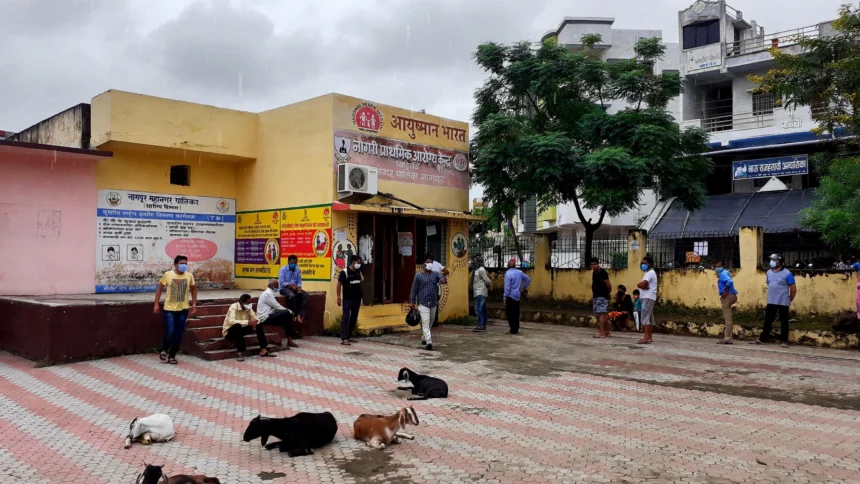
In less than three months, West Bengal has issued 4.2 crore Ayushman cards and provided hospital treatment to 2.2 lakh people under the Centre’s flagship health assurance scheme. The numbers were shared at a two-day national review meeting in Kolkata that ended on November 6, where the Union Health Ministry and states agreed on a new roadmap to move Ayushman Bharat from handing out cards to improving health outcomes.
The National Health Authority (NHA), which runs the scheme, brought senior health officials from states and Union Territories together on November 5 and 6 to take stock of two programmes: the Ayushman Bharat Pradhan Mantri Jan Arogya Yojana (AB PM-JAY) and the Ayushman Bharat Digital Mission (ABDM). The message from the top was clear. Coverage alone is no longer enough. The next phase must show that patients are getting better care, faster claims and stronger protection of their health data.
West Bengal’s rapid rollout stands out
West Bengal joined AB PM-JAY as the 36th participating state and Union Territory, launching the scheme on August 16, 2026. The pace since then has surprised even officials. More than 4.2 crore beneficiaries have been enrolled, and around 2.2 lakh people have already received treatment in empanelled hospitals.
Dr Sunil Kumar Barnwal, Chief Executive Officer of the NHA, told the gathering that West Bengal had generated over four crore Ayushman cards within a short span of joining the national platform. West Bengal Chief Secretary Manoj Kumar Aggarwal said the state was committed to making the scheme more comprehensive and people-centric.
Narayan Swaroop Nigam, Principal Secretary of West Bengal’s Health and Family Welfare Department, said AB PM-JAY and ABDM were complementary pillars of healthcare reform. One gives families financial protection, the other gives them digital tools to carry their health records wherever they go.
From coverage to care: what changes now
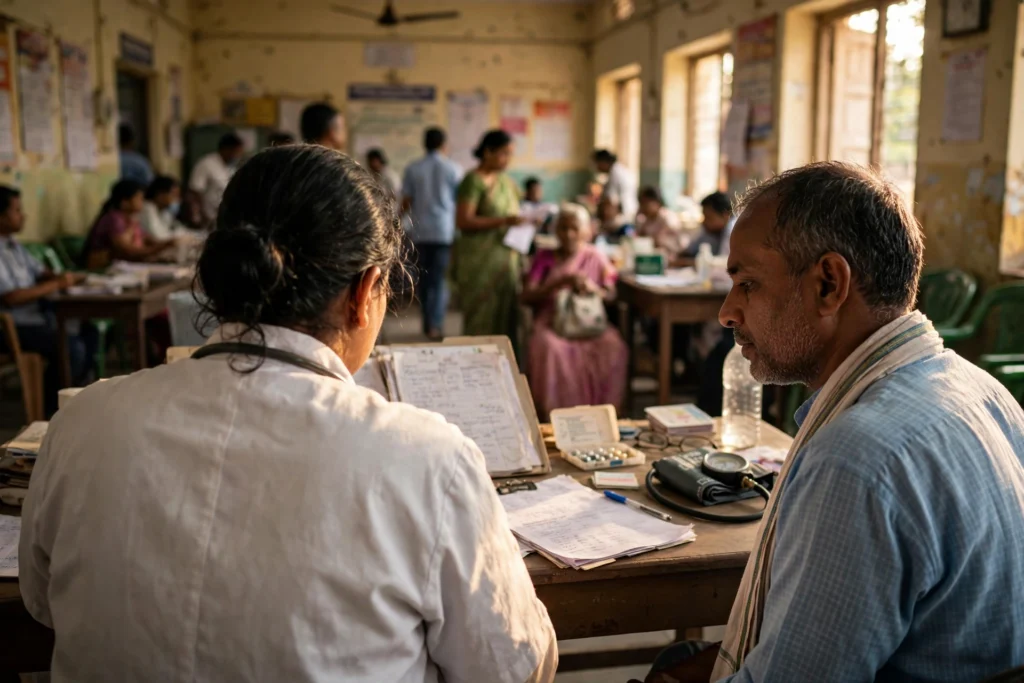
AB PM-JAY is the world’s largest publicly funded health assurance scheme. It gives eligible families health cover of Rs 5 lakh per year for secondary and tertiary hospital care. Until now, much of the focus has been on enrolment, getting cards into people’s hands and hospitals onto the network.
The Kolkata review marked a shift in emphasis. Officials discussed measuring what happens after a patient is admitted, not just counting admissions. The roadmap drawn up at the meeting rests on four pillars:
- Artificial intelligence to spot fraud, speed up claim checks and flag hospitals that need attention.
- Claims automation so hospitals are paid faster and patients spend less time waiting for approvals.
- Unified health financing to bring different state and central schemes onto common rails.
- Patient data security so digital health records stay private as more of them move online.
The meeting ran 15 sessions covering beneficiary coverage, awareness, claims processing, fraud prevention, digital health, cybersecurity and the convergence of health schemes.
Digital health gets equal billing
The second programme under review, the Ayushman Bharat Digital Mission, is the quieter half of the story. It creates a digital health ID for every citizen and lets hospitals, labs and pharmacies share records with a patient’s consent. A patient who moves from a village clinic to a city hospital should not have to carry a folder of old prescriptions and test reports.
Officials at the review said the two schemes work best together. A family with an Ayushman card and a digital health ID can be identified at a hospital, treated without upfront payment and have the claim settled through the same system. The review also looked at how to get more hospitals, especially smaller ones, onto the digital platform.
What this means for families
For households that hold an Ayushman card, the review brings three practical promises. First, treatment should get easier to access as more hospitals join the network and claims are processed faster. Second, the push on data security means health records shared digitally will have stronger safeguards. Third, the focus on outcomes means the government will start tracking whether patients actually recover well, not just whether a hospital bed was filled.
FAQs
What is AB PM-JAY?
Ayushman Bharat Pradhan Mantri Jan Arogya Yojana is the Centre’s health assurance scheme that gives eligible families up to Rs 5 lakh a year for hospital treatment. It is described as the world’s largest publicly funded health assurance scheme.
What was decided at the Kolkata review meeting?
The National Health Authority and states agreed on a roadmap focused on better health outcomes, using AI and claims automation, unifying health financing and strengthening patient data security.
What is the Ayushman Bharat Digital Mission?
ABDM creates digital health IDs and lets health records move securely between hospitals, labs and pharmacies with the patient’s consent.
How can I check if I am eligible for an Ayushman card?
Eligibility can be checked on the official AB PM-JAY beneficiary portal or at a Common Service Centre. The card itself is free.
The Kolkata review closed with states and the Centre agreeing on the next steps. The test now is delivery: whether the new roadmap turns enrolment numbers into faster treatment, quicker claims and better recoveries for the families the scheme was built for.