Two in every three teenagers in India are deficient in vitamin B12, according to a national survey by the Indian Council of Medical Research (ICMR). The findings, released this week, show the problem runs far beyond teenagers: six in ten adult men, more than half of adult women, and nearly two in three pregnant women also have low levels.
The survey, called SAMPADA, was carried out by the ICMR-National Institute of Nutrition between 2023 and 2025. It covered over two lakh people from 81,000 households across 183 districts in 35 states and Union Territories, analysing more than 1.7 lakh blood samples. It is the largest exercise of its kind India has run.
What the survey found
Vitamin B12 deficiency was defined as a serum level below 203 pg/mL. The headline numbers:
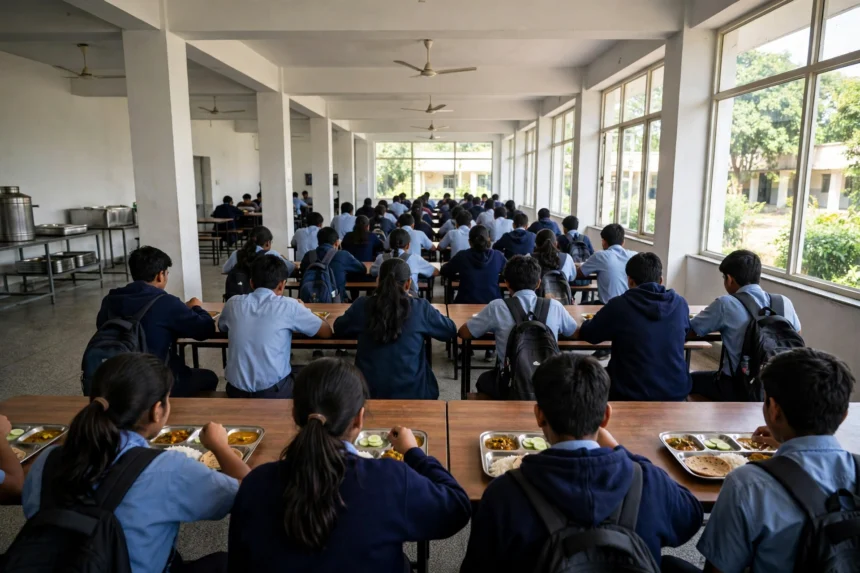
- Adolescents aged 10 to 19: 66.1 per cent of boys and 65.4 per cent of girls deficient
- Adults aged 20 to 59: 60.4 per cent of men and 55.2 per cent of women deficient
- Women aged 15 to 49: 57.4 per cent deficient; pregnant women: 63.1 per cent
- Children: 46.5 per cent of those aged 5 to 9, and 37.3 per cent of those aged 12 to 59 months
- People above 60: 46.8 per cent of men and 41.2 per cent of women deficient
Among teenage girls it was slightly more common in rural areas (66.5 per cent) than in urban areas (61.7 per cent), but the gap is small.
B12 deficiency dwarfs iron and folate gaps among teenagers
One comparison in the survey stands out. Among adolescent girls, 65.4 per cent had low vitamin B12, but only 36.3 per cent had iron deficiency and 8.6 per cent had folate deficiency. Among adolescent boys, the contrast was sharper still: 66.1 per cent had low B12, against 10 per cent with iron deficiency and 6.3 per cent with folate deficiency.
Where vitamin B12 comes from
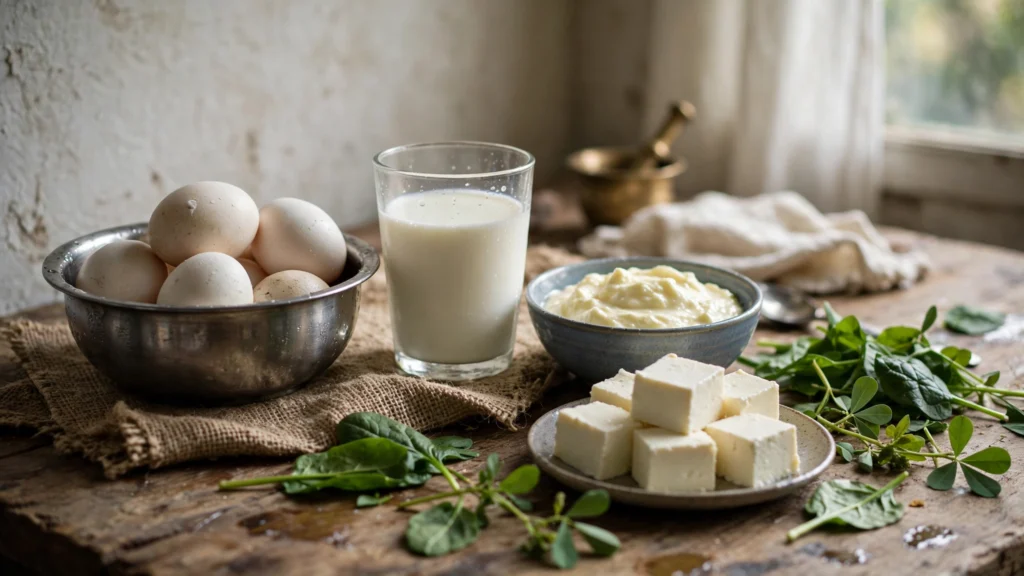
Vitamin B12 is essential for brain development, healthy nerve function and the formation of red blood cells. The body cannot make it. It comes almost entirely from animal-source foods: meat, fish, eggs, milk, curd and cheese.
Diet is the obvious suspect, since many Indian households eat little or no meat. But experts urge caution. Anura Kurpad, professor of physiology and nutrition at St. John’s Medical College in Bengaluru, noted that the survey’s cut-offs are not based on clinical health outcomes and may not accurately reflect B12 status in Indian populations, which habitually consume less of the vitamin. Public health expert Chandrakant Lahariya, meanwhile, called the finding one of the most consequential results of the whole SAMPADA survey.
Why it matters
B12 deficiency rarely makes headlines because it creeps up slowly. Low levels are linked to fatigue, poor concentration, tingling in the hands and feet, and, over time, nerve damage. In teenagers, the stakes are higher still: adolescence is when the brain and nervous system are still developing. A teenager who cannot concentrate in class because of a correctable deficiency is losing learning that cannot easily be recovered.
For pregnant women, the numbers carry a second generation of risk, since B12 matters for the baby’s brain development. With 63.1 per cent of pregnant women deficient, this is not a marginal issue for maternal health services.
The practical implication is that the nutrition conversation in India needs to widen. Iron will remain important, but a programme that only hands out iron tablets will miss the largest deficiency the survey found. Screening that includes B12, food fortification that covers more than iron, and dietary advice that takes vegetarian diets seriously are all on the table now.
What happens next
The survey’s state-level estimates will feed into national programmes such as Anaemia Mukt Bharat, with high-burden areas getting screening and supplementation first. The B12 findings are likely to push a debate about fortification: whether staple foods should carry B12 as well as iron and folic acid.
For readers, the immediate step is simple. B12 deficiency often has no obvious symptoms early on, so a routine blood test is the only reliable way to know. Anyone with persistent fatigue or tingling should ask a doctor about a B12 test. Supplements exist, but the dose should be decided with a doctor, especially for pregnant women and children.
FAQs
What is the SAMPADA survey?
The Survey for Assessment of Markers of Population Health, Activity, Diet and Anthropometry, conducted by the ICMR-National Institute of Nutrition during 2023-25 across 183 districts in 35 states and Union Territories.
How many teenagers are deficient in vitamin B12?
66.1 per cent of boys and 65.4 per cent of girls aged 10 to 19, roughly two in every three teenagers.
What causes vitamin B12 deficiency?
The vitamin comes almost entirely from animal-source foods such as meat, eggs, milk and curd, so diets low in these foods are a major factor. Absorption problems and some medicines can also lower levels.
What are the symptoms of low vitamin B12?
Fatigue, poor concentration, pale skin, tingling or numbness in hands and feet, and a sore tongue are common early signs. Many people have no obvious symptoms at first.
Should I take a B12 supplement?
Only after a blood test and a doctor’s advice. The right dose depends on how low your levels are, and pregnant women and children need medical guidance.
A deficiency affecting two in three teenagers deserves the same attention India has given to anaemia for years.