India is marking the 9th National Naturopathy Day today, 18 November, with a clear message: preventing illness matters as much as treating it. The Ministry of Ayush is leading the observance across the country under the theme ‘Prakrutik Chikitsa, Swasth Bharat’, which means ‘Naturopathy, Healthy India’. This year the spotlight is firmly on obesity prevention and the lifestyle disorders that now affect millions of Indian families.
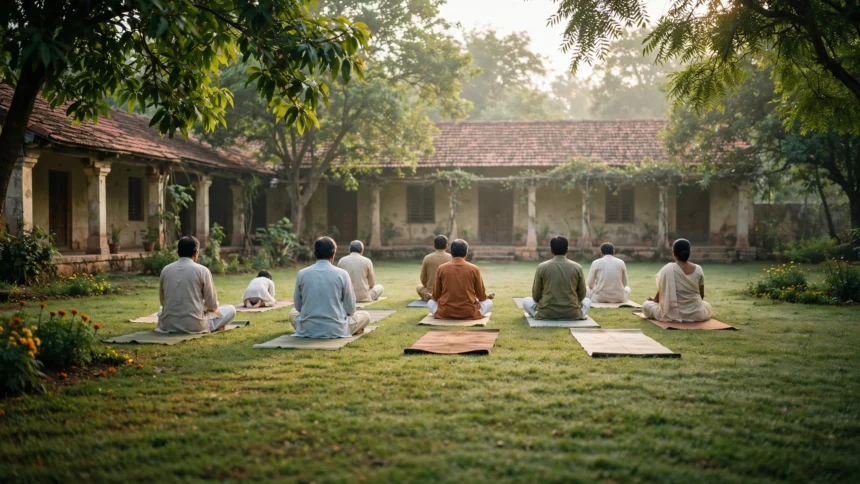
The national-level programme is being held at the Central Research Institute of Yoga and Naturopathy (CRIYN) in Nagamangala, Karnataka, with events through the day on balanced diets, physical activity, yoga, stress management and evidence-informed naturopathic approaches.
Why 18 November
Observed every year on 18 November, the day marks Mahatma Gandhi’s association with nature cure: on this date in 1945, he became Lifetime Chairman of the All India Nature Cure Foundation Trust in Pune and signed its deed. The Ministry of Ayush introduced the observance in 2018.
Union Minister of State (Independent Charge) for Ayush Prataprao Jadhav has said naturopathy helps people understand the link between lifestyle, nature and health, and has stressed scientific research, quality education and responsible integration with conventional healthcare.
Ten themes, one message
The Ministry has set ten sub-themes to connect naturopathy with different sections of society: families, women, students, working professionals, armed forces personnel, senior citizens, sportspersons and farmers.
- Mother Nature, Healthy Mother, Healthy Family
- Swastha Mahila, Fit and Healthy Women
- Fit Force, Strong, Lean and Healthy Force
- Healthy Campus, Fit Students, Healthy Nation
- Healthy Workplace, Fit Workforce
- Safe Journey, Fit Driver, Safe Journey
- Golden Wellness, Active Ageing, Healthy Ageing
- Prakriti se Samarth, Healthy and Active Living
- Natural Strength for Sporting Excellence
- Prakriti Kisan, Fit Farmer, Healthy Nation
The idea is simple. A message about healthy living lands better when it speaks to a student’s campus, a driver’s long hours on the road, or a farmer’s working day, rather than arriving as a generic health advisory.
What naturopathy actually involves
Naturopathy is a drug-free system of healthcare that works with the body’s natural healing abilities. It draws on diet, fasting, hydrotherapy, mud therapy, massage, physical activity and healthy living, and rests on the five elements of nature: earth, water, air, fire and ether. The focus is harmony between the individual and the environment, rather than waiting for disease to appear and then treating it.
The infrastructure behind the message
Behind this year’s observance is a growing network of naturopathy hospitals, educational institutions, research facilities and training programmes. A major development is Nisarg Gram, the National Institute of Naturopathy’s new campus in Pune. Inaugurated by Prime Minister Narendra Modi on 25 February 2024, the facility spans 25 acres, cost Rs 213.55 crore, and has a 250-bed naturopathy hospital and a medical college offering undergraduate, postgraduate and paramedical courses.
For the 2026-27 academic session, the institute is offering 100 seats in its Bachelor of Naturopathy and Yogic Sciences (BNYS) programme, a five-and-a-half-year course with clinical training and a residential internship. The Central Council for Research in Yoga and Naturopathy (CCRYN) supports research through 22 units across India, and the country has 200-bed yoga and naturopathy hospitals at Jhajjar in Haryana and Nagamangala in Karnataka.
Why it matters
The timing of this year’s theme is no accident. Obesity and lifestyle disorders have moved from a footnote in health reports to the centre of India’s disease burden, and they cost families, employers and a public health system built largely around cure rather than prevention. A day devoted to naturopathy does not replace hospitals or medicines. Its value is narrower and more practical: it pushes simple, low-cost habits into public conversation at a moment when the alternative, waiting until illness arrives, costs far more.
There is also a longer arc worth noting. The thread runs from Gandhi signing a nature cure trust deed in 1945, to a formal national observance in 2018, to a Rs 213.55 crore institute campus in 2024, to 100 BNYS seats this academic year: a slow but steady move from philosophy to institution. The test will be whether that base produces usable evidence and trained practitioners, not just ceremonies.
For readers, the practical takeaway is modest and immediate. This week also starts World AMR Awareness Week (18 to 24 November), a reminder that antibiotics lose their power when misused. Prevention, in both cases, is the cheaper and safer bet: a balanced diet, daily movement, enough sleep and stress management cost little and reduce the need for medicines later.
FAQs
When is National Naturopathy Day observed?
Every year on 18 November. The 2026 observance is the ninth edition.
What is the theme for 2026?
‘Prakrutik Chikitsa, Swasth Bharat’, meaning ‘Naturopathy, Healthy India’, with a focus on obesity prevention and lifestyle-related disorders.
Where is the national programme being held?
At the Central Research Institute of Yoga and Naturopathy (CRIYN) in Nagamangala, Karnataka.
What is naturopathy?
A drug-free system of healthcare based on the five elements of nature, earth, water, air, fire and ether. It uses diet, fasting, hydrotherapy, mud therapy, massage, physical activity and healthy living to support the body’s natural healing.
How can someone study naturopathy in India?
Through the BNYS (Bachelor of Naturopathy and Yogic Sciences) programme, a five-and-a-half-year course. The Nisarg Gram campus in Pune is offering 100 seats for the 2026-27 session.
India’s health conversation is slowly shifting from treating illness to preventing it, and this year’s Naturopathy Day puts that shift in plain words.