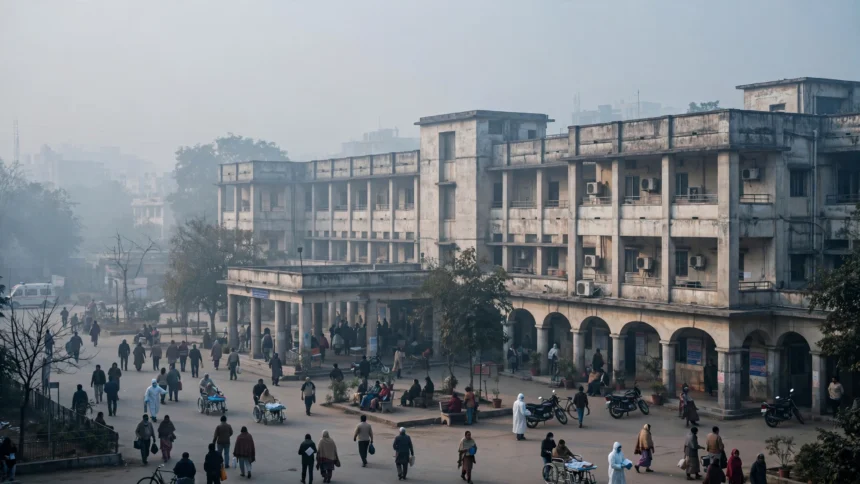
Bhopal is heading into winter with a new safety net for lungs and hearts. Madhya Pradesh has opened 61 free CHEST clinics across the state to screen, diagnose and treat illnesses linked to air pollution during the high pollution winter months. Every check-up and treatment at these clinics will be free of cost, a move that matters most for families who usually put off a hospital visit because of the bill.
The clinics opened under the National Health Mission (NHM), and they will run until the end of February. That timing is deliberate: cold air, stagnant winter weather and smoke from heating and burning together make breathing harder, especially for people who already live with asthma or heart disease.
Where the 61 clinics are located
The 61 clinics are spread across district hospitals and government medical college hospitals, so that people do not have to travel to Bhopal or Indore for basic respiratory care. According to NHM, 51 of the clinics are in district hospitals. The remaining 10 are in government medical colleges that have their own teaching hospitals. Five newer medical colleges, which use district hospitals as their teaching hospitals, are covered through that district hospital network.
The clinics are part of the Centre’s National Programme on Climate Change and Human Health (NPCCHH), which has asked states to set up such clinics in district and medical college hospitals from September to February each year.
What CHEST clinics actually do
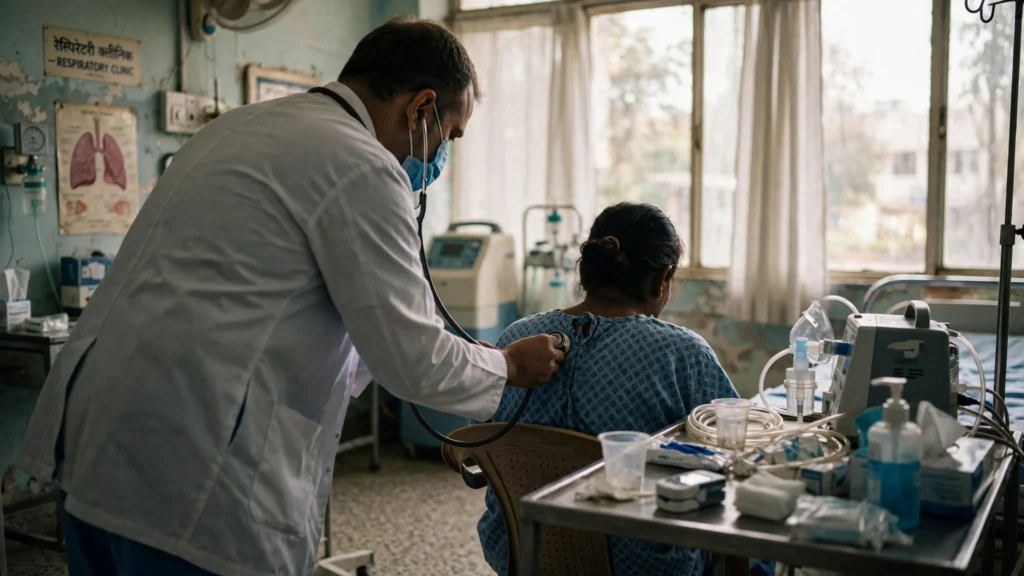
CHEST stands for Cardio-respiratory Health Effects Screening and Treatment. The name describes the job in plain terms: screen people at risk, find out what is wrong, start treatment, and counsel patients on how to protect themselves through the season.
The clinics focus on illnesses that air pollution either causes or makes worse, including:
- Asthma and recurring wheeze, cough and breathlessness
- Chronic obstructive pulmonary disease (COPD) and chronic bronchitis
- Other respiratory infections and irritations aggravated by smoke and dust
- Cardiovascular problems worsened by poor air quality
NHM deputy director for NPCCHH, Dr Rahul Bhadoria, has said the clinics will remain operational until the end of February to deal with respiratory diseases caused or aggravated by air pollution during winter. The Union Ministry of Health and Family Welfare had issued directives to states to screen, diagnose and manage high-risk individuals during the high pollution months.
Who should get checked first
The clinics are giving special focus to people living in highly polluted areas, smokers, and those regularly exposed to firewood or biomass smoke. So are people exposed to crop residue burning, known as parali burning, and garbage burning, which release thick smoke over towns and villages in winter.
National guidance also flags children under five, older adults, pregnant women, people with asthma or heart disease, and outdoor workers as especially vulnerable when air quality turns poor to severe. If you notice a persistent cough, wheezing, chest tightness or breathlessness that is worse than usual, an early check-up is worth it.
Why winter makes breathing harder
Winter does not create pollution on its own, but it traps it. Cold, still air holds smoke and fine dust close to the ground, while cooking smoke, vehicle exhaust and open burning irritate sensitive airways day after day.
For someone with asthma or COPD, the same exposure can trigger repeated attacks and hospital visits. For heart patients, poor air quality adds strain when cold weather already narrows blood vessels. Free, nearby screening breaks that cycle by catching worsening symptoms early.
What patients should carry and expect
Patients visiting a CHEST clinic should carry previous prescriptions, inhalers, test reports and a list of current medicines, so the doctor can see the full picture in one visit. Because the clinics are free, cost should not be a reason to delay that first visit.
Patients should not stop prescribed inhalers or heart medicines on their own during winter, even on days when they feel better. Masks on high pollution days and avoiding smoke filled rooms remain simple, practical steps alongside medical care.
The larger message is straightforward. With 61 dedicated, free clinics running until February end, the state is trying to turn winter from a season of hospital rushes into a season of early checks.
Frequently asked questions
Are CHEST clinics in Madhya Pradesh really free?
Yes. NHM has said all check-ups and treatment at these clinics will be provided free of cost.
Where can I find a CHEST clinic?
The clinics are in 51 district hospitals and 10 government medical college hospitals across Madhya Pradesh. Patients should visit their district hospital or the nearest government medical college hospital.
How long will the clinics run?
The clinics will remain operational until the end of February, covering the high pollution winter months.
Which illnesses do CHEST clinics treat?
They focus on air pollution related illnesses, including asthma, COPD, bronchitis and cardiovascular diseases aggravated by poor air quality.
Who should visit a CHEST clinic first?
People in highly polluted areas, smokers, those exposed to firewood, biomass, crop residue or garbage smoke, and patients with asthma or heart disease should get checked early, especially if symptoms worsen in winter.
Staying alert through winter, getting checked early, and following prescribed treatment can keep a seasonal cough from becoming a serious illness. If breathing trouble worsens, seek medical care without delay.