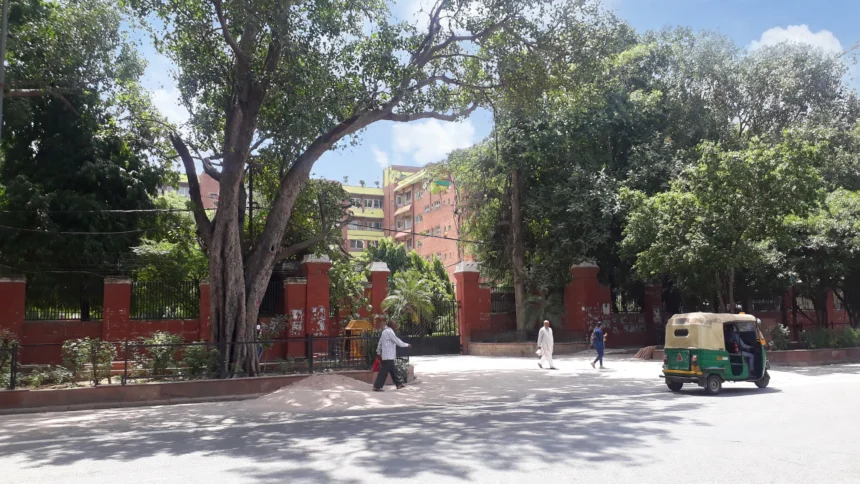
Delhi is set for a big expansion of its public healthcare network. Chief Minister Rekha Gupta on Wednesday announced that 40 more Ayushman Arogya Mandirs will open next month, and two new hospitals with a combined 1,815 beds will become operational in 2027.
Gupta made the announcements after reviewing Health Department projects at the Delhi Secretariat, where she directed officials to finish every hospital project within its deadline and warned that negligence and unnecessary delays would not be tolerated.
Two new hospitals with 1,815 beds
The two hospitals coming up next year are in Siraspur in north Delhi and Hastal in west Delhi. The 1,164-bed hospital in Siraspur is ready, and the purchase of medical equipment is underway, targeted for completion by the end of January. Construction of the 651-bed hospital in Hastal is also nearing completion.
One of the two hospitals is likely to become operational in the first half of 2027 and the second later in the year, officials said. Gupta said the opening of both hospitals would improve access to healthcare in the surrounding areas and reduce the patient load on the capital’s existing hospitals.
40 Arogya Mandirs in December
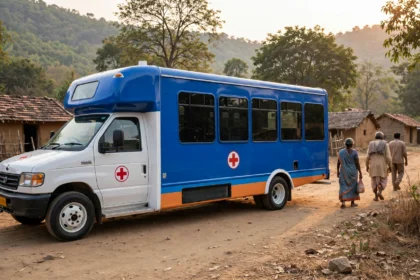
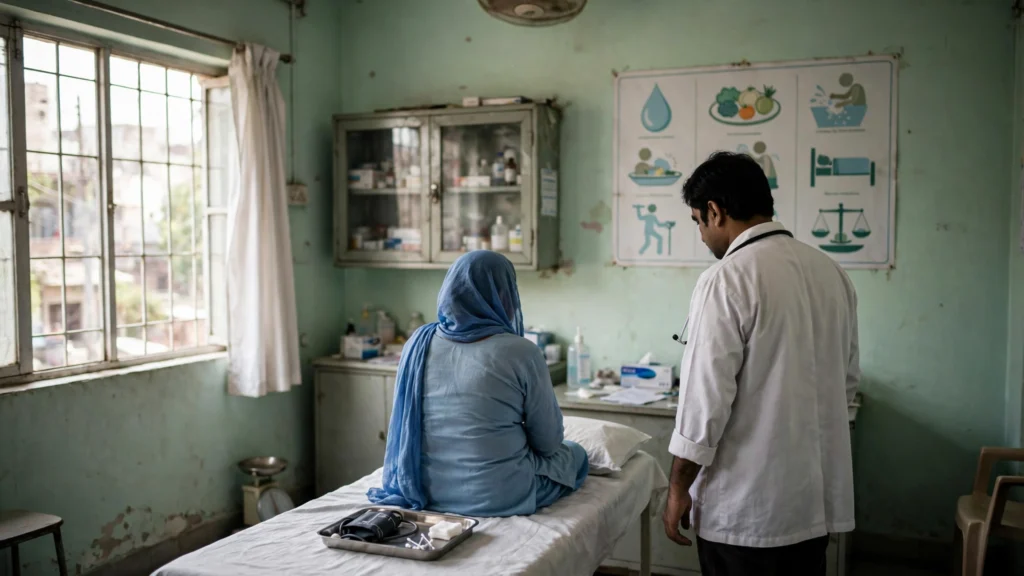
On primary healthcare, the Chief Minister said 1,139 Ayushman Arogya Mandirs are being developed across Delhi, of which 415 are currently operational. The government aims to open another 40 centres next month.
The government is also targeting the opening of the 40 new centres on December 25, the birth anniversary of former Prime Minister Atal Bihari Vajpayee. Plans are also underway to run two shifts at Arogya Mandirs that receive a higher number of patients, so that people can get timely treatment close to home.
Arogya Mandirs are neighbourhood primary health centres where residents can get consultations, basic tests and medicines for common illnesses without travelling to a big hospital.
More hospitals and medical colleges on the way
The expansion does not stop with Siraspur and Hastal. The government is also building hospitals with 691 beds each in Madipur and Jwalapuri, both scheduled for completion by 2028. The Madipur hospital is being built at a cost of Rs 466.50 crore, while the Jwalapuri hospital has an estimated cost of Rs 484.04 crore.
Maternal and child healthcare facilities are being expanded at existing hospitals too. A 463-bed maternal and child healthcare block is being developed at Baba Saheb Ambedkar Hospital in Rohini, where the OPD block is ready for inauguration. A 270-bed block at Rao Tula Ram Memorial Hospital and a 460-bed block at Lal Bahadur Shastri Hospital in Khichripur are also nearing completion.
On medical education, Gupta said the government plans to establish medical colleges at Indira Gandhi Hospital in Dwarka and Guru Gobind Singh Government Hospital, each with 150 MBBS seats.
Why it matters
The numbers tell the real story here. Delhi’s big hospitals are the first stop for patients from across the city and neighbouring states, which is why their outpatient departments and wards stay crowded. The plan announced on Wednesday attacks that problem from both ends at once.
At the bottom of the pyramid, 40 more Arogya Mandirs in a single month is a sharp jump: operational centres would rise from 415 to 455, an increase of nearly 10 percent in one go. If the two-shift plan follows, the same centres can serve more patients without new buildings. For a family dealing with a fever, diabetes follow-up or a child’s vaccination, that means care within walking distance instead of a half-day trip to a large hospital.
At the top end, 1,815 new beds in Siraspur and Hastal is the equivalent of adding another large hospital to the city in one year, and the pipeline behind it, Madipur and Jwalapuri by 2028, plus the maternal and child blocks, keeps the capacity growing. The test will be execution: the Siraspur building is ready, but equipment procurement must finish by January, and the Hastal work must stay on schedule. Gupta’s warning to officials on Wednesday suggests the government knows the announcements will be judged on opening dates, not on paper.
Key numbers at a glance
- 40 new Ayushman Arogya Mandirs to open in December 2026
- 415 Arogya Mandirs operational now, out of 1,139 being developed
- 1,815 new hospital beds in 2027: 1,164 in Siraspur and 651 in Hastal
- 691 beds each at Madipur and Jwalapuri hospitals, due by 2028
- 150 MBBS seats each at two planned medical colleges in Dwarka and Guru Gobind Singh Hospital
FAQs
When will the 40 new Arogya Mandirs open?
In December 2026. The government is targeting December 25, the birth anniversary of former Prime Minister Atal Bihari Vajpayee, for the openings.
When will the two new hospitals open?
In 2027. One is likely to become operational in the first half of the year and the second later in the year, according to officials.
How many Ayushman Arogya Mandirs are operational in Delhi now?
415 centres are operational, out of 1,139 being developed across the capital.
What services do Ayushman Arogya Mandirs provide?
They are neighbourhood primary health centres offering consultations, basic tests and medicines for common illnesses, so residents do not have to travel to a big hospital for routine care.
Which other hospital projects are underway in Delhi?
Hospitals with 691 beds each in Madipur and Jwalapuri are due by 2028, maternal and child blocks are coming up at three existing hospitals, and two new medical colleges with 150 MBBS seats each are planned.
For Delhi residents, the next date to watch is December, when the first of the 40 new Arogya Mandirs are scheduled to open.