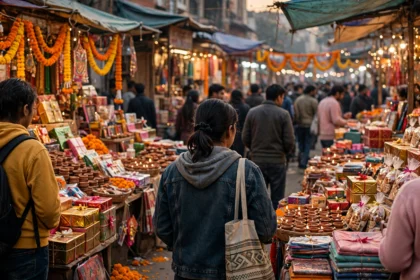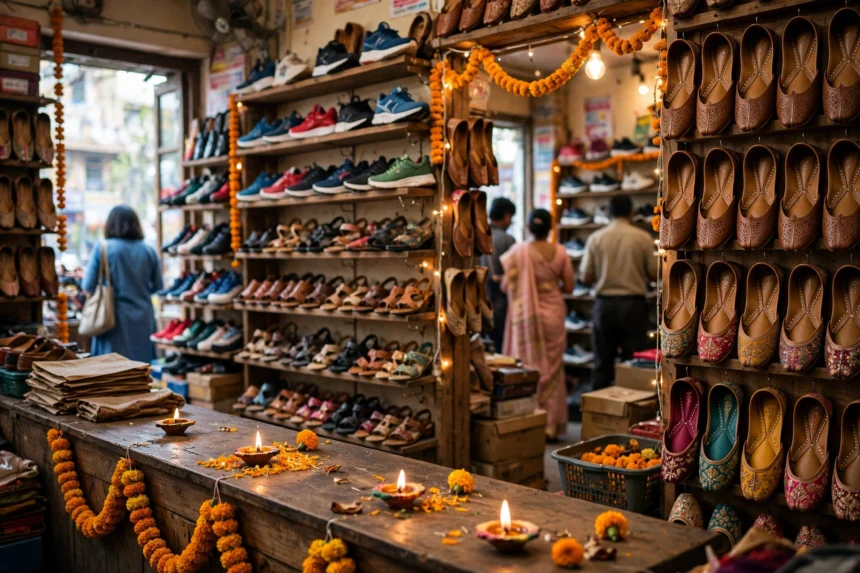
This festive season, Indian shoppers bought shoes before shirts. Footwear overtook clothing as the biggest category in online fashion sales during September and October, according to Fynd’s Festive Season Report 2026, released today. The numbers tell a story of a careful, value-hunting shopper who still loves a good deal, but only when the purchase feels worth it.
More than half of all festive fashion orders this year were for footwear. The category accounted for 52.7 percent of orders and 58.4 percent of total sales value across the marketplaces studied. A year ago, footwear made up just 33 percent of festive orders. Clothing, meanwhile, slipped from 48 percent of orders in 2025 to 34.5 percent this year.
The shift is striking because festive shopping in India has long been led by clothes. New outfits for Diwali, weddings and family gatherings were the traditional first purchase. This year, shoppers spent their money differently, and retailers are taking note.
Half of all orders came in under Rs 1,000
The report, which studied buying behaviour across more than 65 brands on eight leading marketplaces including Myntra, Flipkart, Amazon, AJIO, Nykaa, JioMart, Tata CLiQ and Tata CLiQ Luxury, found that value ruled the season. Half of all festive orders, 50.1 percent, were placed below Rs 1,000.
At the other end, premium buying held its ground. Orders above Rs 3,000 made up only 11.8 percent of purchases but generated more than 41 percent of total sales value. In other words, shoppers split their spending: everyday buys stayed cheap, while the occasional big purchase was reserved for something they really wanted.
Discounts played a big part in that calculation. Average festive discounts rose from 34 percent to 46 percent this year, and nearly half of all orders were sold at discounts of more than 50 percent.
Why footwear won the season
Footwear has a few advantages that clothing does not. A pair of shoes is useful all year, fits are easier to get right online, and a good pair lasts longer than a trendy outfit. That practicality showed up in the returns data too. The overall return rate for festive fashion stood at 11.8 percent, but footwear returns were 10.5 percent against 14.9 percent for clothing.
The trend also fits with what other surveys found this season. A separate study by Paragon Footwear found that comfort was the top consideration for festive footwear buyers, with 51.7 percent of young shoppers putting ease first, and nearly six in ten planning to spend under Rs 2,000.

Smaller cities and the East led the growth
The second big story of the season is geography. Eastern India contributed 20.8 percent of all festive orders, emerging as one of the fastest growing regions, and West Bengal became the country’s second largest ordering state.
Tier-II cities expanded their share of festive orders from 19 percent in 2025 to around 35 percent this year. Tier-I cities still accounted for about 43 percent of orders and 56 percent of gross merchandise value.
Payment habits moved with the same shift. Online payments accounted for 56.5 percent of all festive orders, and the report noted a surge in prepaid adoption across eastern markets, a sign that shoppers in newer online markets are growing comfortable paying before delivery.
Marketplaces spread out
Myntra and Flipkart continued to lead online fashion sales, but their combined share fell from 89 percent in 2025 to 76.8 percent this year. AJIO, Amazon and JioMart gained ground, as shoppers spread their purchases across more platforms in search of better prices and wider choice.
What it means for shoppers and brands
With Diwali falling on November 8 this year and Dhanteras on November 6, the festive season is not over yet, and the final sales figures will only be clear after the festival. But the direction is already visible. Indian shoppers are not spending less, they are spending more carefully.
The message for retailers is plain: value, utility and honest pricing matter more than ever. Footwear won this season because it offered all three. Clothing brands will need to answer that challenge, with better fits, clearer value and fewer returns, if they want the top spot back next year.
FAQs
What did Fynd’s Festive Season Report 2026 find?
It found that Indian festive fashion shoppers were strongly value driven. Half of all orders were placed below Rs 1,000, and footwear overtook clothing as the largest online fashion category during September and October 2026.
How big was footwear’s share of festive orders?
Footwear accounted for 52.7 percent of all festive orders and 58.4 percent of total sales value, up sharply from 33 percent of orders in 2025.
Which marketplaces were covered in the report?
The report analysed more than 65 brands selling on eight marketplaces: Myntra, Flipkart, Amazon, AJIO, Nykaa, JioMart, Tata CLiQ and Tata CLiQ Luxury.
Which regions grew fastest in festive shopping?
Eastern India contributed 20.8 percent of all festive orders, with West Bengal becoming the second largest ordering state. Tier-II cities grew their share of orders from 19 percent to around 35 percent.
What was the return rate for festive fashion orders?
The overall return rate stood at 11.8 percent. Clothing returns were higher at 14.9 percent, while footwear returns were lower at 10.5 percent.
Stay with Informeia for the latest on shopping trends, festive offers and consumer news from across India.