
As families across India sit down to celebrate Diwali today, the country’s food regulator has delivered a stark reminder to check what is on the plate. The Food Safety and Standards Authority of India, or FSSAI, has seized nearly 3,280 tonnes of banned and non-compliant food products worth about Rs 82 crore during a nationwide inspection drive that ran through the festive season.
The crackdown, which began on September 1 and continued till November 5, covered 56,431 food establishments across states and Union territories. Inspectors cancelled 52 licences, suspended 1,133 more and sealed 314 premises for serious violations. The regulator shared the final figures in a social media post on Saturday, a day before Diwali.
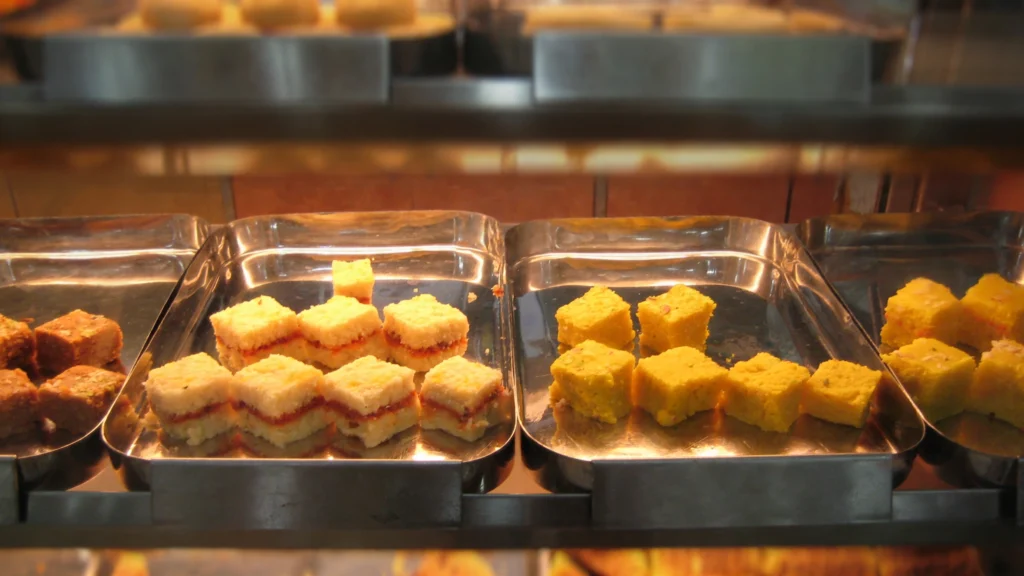
What was seized reads like a list of festive staples. Paneer, ghee, milk and sweets were among the products taken off shelves, the very items that move in huge quantities in the days before Diwali, when sweet shops, dairies and caterers work around the clock to meet demand.
What the 66-day drive found
The numbers tell the story of a drive that was both wide and deep. In all, 3,279.57 tonnes of food products were seized, valued at Rs 81.80 crore. Alongside the seizures, officials issued more than 10,000 improvement notices to food businesses, asking them to fix hygiene and quality gaps within a set time.
FSSAI said the drive was aimed at checking adulteration and protecting consumers during the festive season, when demand for milk products and sweets rises sharply and the temptation to cut corners grows with it. The regulator stepped up vigilance specifically in view of the festivals, and teams fanned out across markets, sweet shops, dairies and catering units.
The action was not limited to small vendors. The combination of cancelled licences, suspended licences and sealed premises shows that inspectors acted against businesses of every size that failed to meet the standards.
Why Diwali is the riskiest time for food safety
Diwali is the biggest season of the year for India’s sweet and dairy trade. Milk, khoya, paneer and ghee change hands in enormous volumes, and most of it is bought in a rush, often from shops families have trusted for years. That trust is exactly what adulterators exploit.
- Paneer and khoya: often bulked up with starch or made from synthetic milk, which is hard to spot by look or smell.
- Ghee: sometimes mixed with cheaper vanaspati or animal fat and sold as pure.
- Sweets: made in large batches under pressure, where old stock, poor storage and unhygienic preparation creep in.
- Loose milk: the easiest to dilute, and the hardest for a buyer to verify at the counter.
Doctors have long warned that eating adulterated festive food can trigger stomach infections, food poisoning and, over time, far more serious health problems. Children and older people, who eat the most sweets during the festival, are the most vulnerable.
How to shop safe this Diwali
The crackdown is a warning, but shoppers can protect themselves with a few simple checks before buying sweets or dairy products today.
- Buy from licensed shops and look for the FSSAI licence number displayed at the counter.
- Check the manufacturing and expiry dates on packed sweets, and avoid anything sold loose without a label.
- Be suspicious of paneer or ghee sold far below the usual market price. If the price looks too good, the product probably is not what it claims to be.
- Look at the texture and smell. Paneer that feels rubbery or ghee that smells flat is worth leaving behind.
- Keep sweets refrigerated once you get home, and finish fresh dairy products quickly.
- Report suspected adulteration on the FSSAI Food Safety Connect app or by calling the toll-free helpline.
The message behind the numbers
The regulator’s message this Diwali is simple. The festive season brings out the best of Indian food, but it also brings out the worst of the trade. A drive that inspected more than 56,000 establishments and still found over 3,000 tonnes of bad food shows how widespread the problem remains.
For shoppers, the safest Diwali gift may be a little caution. Buy from sellers you trust, check the label, and remember that the sweetest deal in the market is not always the sweetest sweet.
Frequently asked questions
How much food did FSSAI seize before Diwali 2026?
FSSAI seized 3,279.57 tonnes of banned and non-compliant food products worth Rs 81.80 crore during its drive from September 1 to November 5, 2026.
How many food licences were cancelled in the FSSAI drive?
The regulator cancelled 52 licences, suspended 1,133 licences and sealed 314 establishments across the country.
Which food items were seized in the crackdown?
Paneer, ghee, milk and sweets were among the main products seized, as demand for these items peaks during the Diwali season.
How can I check if a sweet shop is licensed?
Look for the FSSAI licence number displayed at the shop, and check manufacturing and expiry dates on packed sweets before buying.
Where can I report adulterated food?
You can report suspected adulteration through the FSSAI Food Safety Connect app or the regulator’s toll-free helpline.
Stay safe this Diwali, and enjoy the festival with food you can trust.