Eating out and flying could both get a little more expensive from today. State-run oil companies have raised the price of commercial cooking gas and aviation fuel from November 1, the latest monthly revision that lands right in the middle of the festive season.
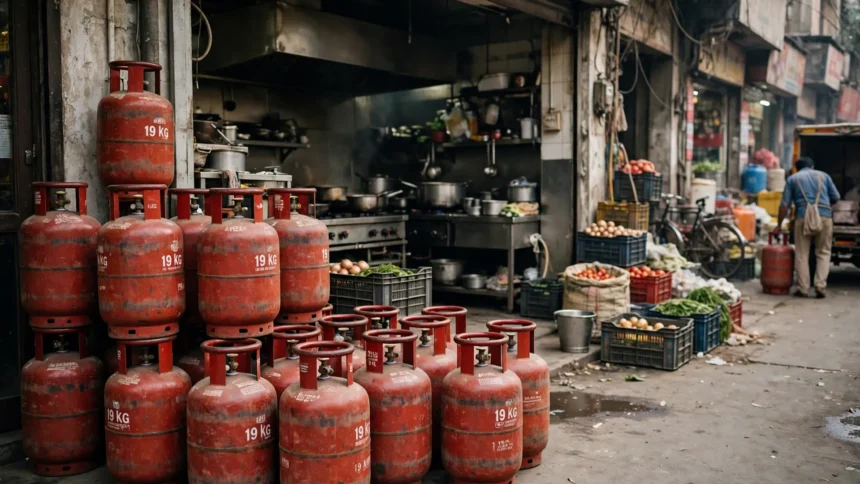
A 19-kg commercial LPG cylinder now costs Rs 2,820 in Delhi, up Rs 10 from Rs 2,810 in October. Aviation turbine fuel (ATF), the fuel that powers planes, is up Rs 1.37 per litre to Rs 138.50 in the national capital, from Rs 137.12 earlier. The changes took effect on Sunday, November 1, 2026.
For households, there is relief in the fine print. The price of the 14.2-kg domestic LPG cylinder used in most kitchens is unchanged at Rs 942 in Delhi, and petrol and diesel rates have also not been revised. The hike touches businesses first: restaurants, hotels, caterers and cloud kitchens that run on commercial cylinders, and airlines that buy jet fuel by the kilolitre.
What changed from November 1
- Commercial LPG (19 kg): Up Rs 10 to Rs 2,820 in Delhi, from Rs 2,810 in October.
- Aviation turbine fuel: Up Rs 1.37 per litre to Rs 138.50 in Delhi, from Rs 137.12.
- Domestic LPG (14.2 kg): Unchanged at Rs 942 in Delhi.
- Petrol and diesel: No change in this revision.
- 5-kg Free Trade LPG: A new connection costs Rs 1,903, with a refill at Rs 782, as per revised rate lists.
Rates vary from city to city because state taxes differ, so the exact price a restaurant or airline pays depends on where it buys fuel. The Delhi figures are the benchmark most reports cite, and they are the ones that set the tone for the rest of the country.
Third LPG hike in three months
The Rs 10 increase may look small on its own, but it continues a run of upward revisions. Commercial LPG went up by Rs 9.50 on September 1 and then by Rs 62.50 on October 1, before this month’s Rs 10 addition. Put together, a commercial cylinder in Delhi costs Rs 82 more than it did at the start of September.
For a small eatery that goes through several cylinders a week, that adds up quietly. A restaurant using ten cylinders a month now pays Rs 820 more than it did two months ago, before counting any change in food or labour costs. Larger hotels and catering units, which burn through far more gas, feel it faster. Whether any of this reaches the menu card depends on each business, but owners often say fuel is one of the few costs they cannot negotiate down.
Oil companies revise LPG and ATF prices on the first day of every month, based on international benchmark prices and the rupee-dollar exchange rate. When global benchmarks firm up and the rupee stays weak, the revision usually points upward, which is what has happened this month.
Jet fuel rises for the fourth month in a row
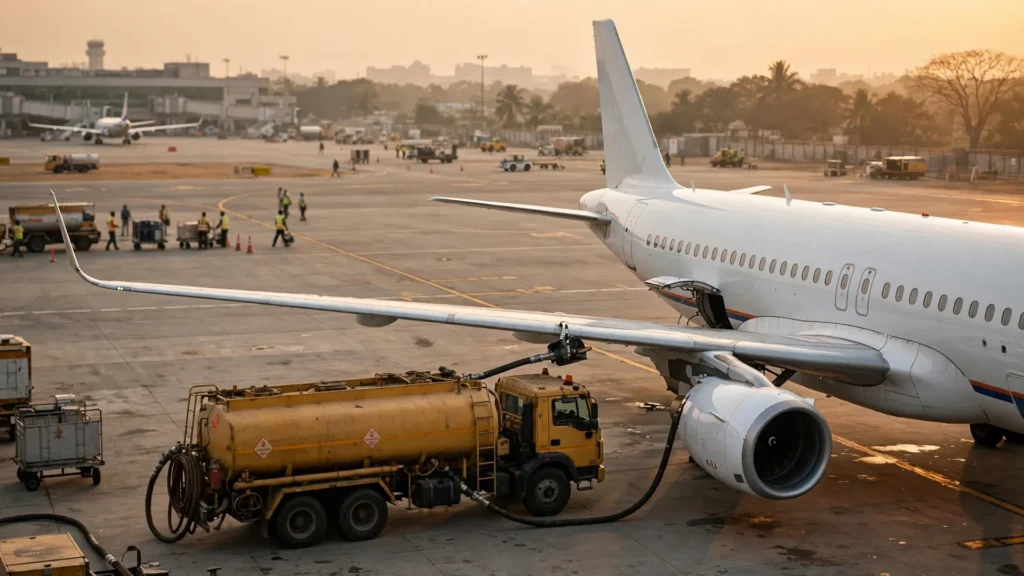
The ATF increase is the fourth consecutive monthly rise. Jet fuel went up by Rs 5 per litre in August, Rs 6.28 in September and Rs 16 in October, before today’s Rs 1.37 addition. In four months, ATF in Delhi has climbed by close to Rs 29 per litre.
That matters because fuel accounts for as much as 40 per cent of an airline’s operating cost, the single biggest expense head for carriers. Airlines have limited room to absorb repeated increases, especially on busy domestic routes where competition keeps fares in check. Industry watchers expect the higher fuel bill to show up gradually, either in fares on some routes or in tighter margins for airlines, rather than in one sudden jump.
The timing is awkward for travellers. November is peak travel season, with Diwali trips, weddings and winter holidays filling flights. A higher fuel cost base heading into that rush leaves airlines with less cushion if demand softens or if global crude prices rise further.
Why prices moved now
Two forces are behind the revision. First, international energy benchmarks have firmed up, pushing up the cost at which Indian refiners buy and price fuel. Second, the rupee-dollar rate feeds directly into the calculation, since crude and refined products are priced in dollars. Both factors are reviewed every month, which is why LPG and ATF rates move on the first of the month while petrol and diesel, which follow a different pricing rhythm, can stay flat in the same cycle.
Separately, reports said the Centre decided on Saturday to scrap the export duty on petrol while raising the levy on diesel exports to Rs 11.50 per litre and on ATF exports to Rs 11 per litre. That is a trade-side measure, distinct from the domestic price revision, but it underlines how closely the government is watching fuel economics at the moment.
What it means for you
- Dining out: Restaurants may absorb a Rs 10 cylinder hike for now, but repeated increases raise the odds of small menu price tweaks over time.
- Air travel: Expect airlines to guard margins closely through the festive season. Booking early remains the simplest way to limit fare risk.
- Households: No change to domestic LPG, petrol or diesel in this round, so kitchen and commuting budgets are untouched for now.
- Small businesses: Caterers, bakeries and food stalls running on commercial cylinders should factor the higher Rs 2,820 rate into November costing.
The next revision is due on December 1. Until then, the direction of global benchmarks and the rupee will decide whether this run of increases pauses or continues into the winter.
FAQs
How much does a commercial LPG cylinder cost now?
A 19-kg commercial LPG cylinder costs Rs 2,820 in Delhi from November 1, 2026, after a Rs 10 hike.
Has domestic LPG price changed?
No. The 14.2-kg domestic cylinder remains at Rs 942 in Delhi, and petrol and diesel prices are also unchanged.
How much is jet fuel now?
Aviation turbine fuel costs Rs 138.50 per litre in Delhi, up Rs 1.37 from Rs 137.12, its fourth consecutive monthly increase.
Why do LPG and ATF prices change every month?
They are revised on the first of each month based on international benchmark prices and the rupee-dollar exchange rate, with local taxes causing city-wise differences.
Will flight tickets get costlier?
Fuel is up to 40 per cent of an airline’s operating cost, so sustained ATF increases can pressure fares, though airlines may absorb part of it in the short term.
Price figures are Delhi rates reported by state-run oil marketing companies on November 1, 2026. Rates in other cities vary with local taxes.