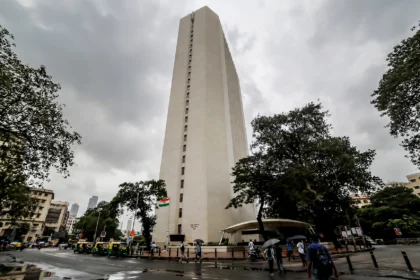
New Delhi: Finance Minister Nirmala Sitharaman on Monday said the Centre will keep pushing capital expenditure until private companies step up and expand capacity, even as fresh estimates warn the fiscal deficit for 2026-27 could run well above the Budget target. The message, delivered at an HSBC event in Mumbai, puts growth first and fiscal caution a close second.
“Capex is a very important component of our growth strategy because till such a time the private sector is also going to come in to expand capacities or establish newer capacities, it is important for the government to push through with the capital expenditure,” Sitharaman said. She added: “We need to be fiscally prudent. Otherwise, it is not a gains thing.”
The remarks landed as SBI Research warned that the Centre’s fiscal deficit for FY27 could exceed the Budget Estimate by around Rs 1.2 lakh crore, taking it to about 4.7 per cent of GDP against the budgeted 4.3 per cent. The November 2 report has become this week’s big economic talking point, because it puts a concrete price on spending now to protect growth.
What Sitharaman said in Mumbai
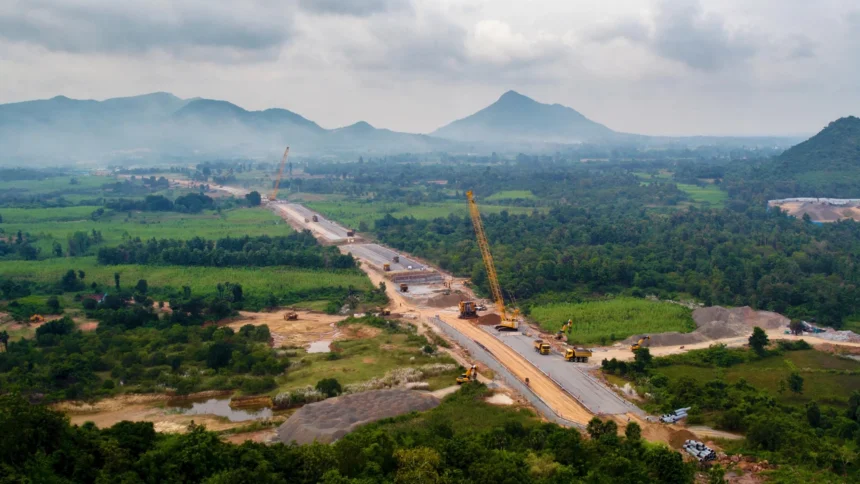
Speaking at HSBC India’s financial inclusion gathering, in conversation with HSBC India chief executive Hitendra Dave, Sitharaman said public investment had delivered good results over the past four to five years through its multiplier effect. Roads, railways and ports, she argued, do more than create assets: they pull in suppliers, create jobs and give private firms confidence to invest.
She also pointed to healthy goods and services tax collections and a strong banking sector as signs of resilience. “Under Prime Minister Modi, fiscal prudence will be top priority,” she said, framing discipline not as a brake on capex but as the condition that makes sustained capex possible.
The Rs 1.2 lakh crore warning
SBI Research’s estimate rests on three large pressures: an excise duty cut expected to cost about Rs 1.1 lakh crore in revenue, fertiliser subsidy spending seen rising by about Rs 90,000 crore, and petroleum and cooking gas subsidies up by around Rs 48,000 crore. Together, those items explain much of the gap.
The report also flags the revised GDP base. The Budget Estimate of 4.3 per cent was calculated on the 2011-12 base, while SBI’s projected 4.7 per cent uses the newer 2022-23 base. Structural factors plus the new base add around 40 basis points to the deficit ratio, so part of the apparent slippage reflects a changed measuring stick, not only extra spending.
First-half data show why the warning carries weight. Controller General of Accounts figures put the deficit at Rs 7.14 lakh crore in April to September, up about 25 per cent from a year earlier, as spending rose 10.7 per cent while tax and non-tax receipts grew only 3.6 to 3.8 per cent.
Why the gap is opening up
- Excise duty cut: estimated revenue loss of about Rs 1.1 lakh crore.
- Fertiliser subsidy: estimated increase of about Rs 90,000 crore.
- Petroleum and LPG subsidy: estimated increase of around Rs 48,000 crore.
- GDP base change: structural factors and the new base add about 40 basis points.
- Budget target: 4.3 per cent of GDP, against SBI’s projected 4.7 per cent.
Growth remains a bright spot: official data showed real GDP grew 7.8 per cent year on year in April to June 2026.
That strength underpins Sitharaman’s case for holding the course.

How the Centre can fund the gap
SBI Research does not predict a borrowing spree. It says the wider deficit can be financed through government cash balances without increasing borrowings, estimating the cash balance, adjusted for core liquidity, at around Rs 8.5 lakh crore at end-October 2026, against Rs 2.2 lakh crore a year earlier.
The alternative is spending cuts. SBI notes that the only possible option to hold the deficit to Budget Estimates is a cut in expenditure, creating a tension for coming months: protect capex while finding savings elsewhere. The FY27 Budget proposed about Rs 12.2 lakh crore in public capital spending, up from Rs 11.2 lakh crore in FY26, and Sitharaman’s remarks suggest that direction will hold until private investment takes over.
What it means for households
A higher deficit does not automatically mean higher prices or interest rates, but it matters for both. More borrowing can push up borrowing costs across the economy, while using cash balances and trimming other spending softens that pressure. The risk economists watch is inflation, with high crude prices and food costs already keeping prices sticky.
For households, the near term is mixed: subsidies and duty cuts ease immediate costs, and capex supports jobs in construction and manufacturing. The trade-off comes later, in interest rates or tax choices in the next Budget. Monthly fiscal data will show whether the numbers track SBI’s warning.
FAQs
What did Sitharaman say about capex? The Centre will keep prioritising capital expenditure to sustain growth until the private sector expands capacity, while watching the fiscal deficit closely.
How much could the FY27 deficit exceed target? SBI Research estimates around Rs 1.2 lakh crore, reaching about 4.7 per cent of GDP against the budgeted 4.3 per cent.
What is driving the higher deficit? The excise duty cut, higher fertiliser and fuel subsidies, and the impact of the revised GDP base.
Will the government need to borrow more? SBI says the gap can be financed from cash balances without extra borrowing, though spending cuts are the alternative route to target.
The debate will run into the next Budget. For now, the government has chosen: build first, balance carefully.