
New Delhi: All business dealings of private defence manufacturer SMPP are now under the scanner, a week after the Central Bureau of Investigation arrested the company’s chief executive in a Rs 500 crore bribery case. The fallout now reaches nearly 10 ongoing contracts with the Indian Army worth over Rs 2,000 crore, covering ammunition, loitering munitions, intelligence-gathering drones and protective gear.
The move marks a dramatic turn for one of India’s better-known private defence firms, which had been steadily expanding its footprint in military supply contracts. With the company’s top management named in a CBI First Information Report, its entire order book with the armed forces now faces an uncertain future.
The bribery case that started it all
The CBI registered its case on October 12 after a tip-off about a Rs 500 crore contract awarded to SMPP for supplying ammunition to Munitions India Limited (MIL), the state-owned defence PSU headquartered in Pune. The agency arrested three people on October 13: Anil Kumar, Executive Director of MIL, his brother B Harshavardhan, and Ashish Kansal, CEO and promoter-director of SMPP.
According to the FIR, Anil Kumar allegedly demanded and accepted illegal gratification in exchange for official favours, including sharing sensitive information about defence production schedules, tender specifications and strategic procurement plans with private vendors. The CBI has alleged that such unauthorised disclosure could compromise national strategic and security interests.
Searches across Pune, Mysuru, Bengaluru and Delhi recovered about Rs 1.73 crore in cash from Anil Kumar’s Pune premises alone, with total recoveries across locations crossing Rs 2.2 crore. The agency is also probing whether Anil Kumar routed proceeds through his wife and other relatives, and whether other MIL employees were involved. Anil Kumar was suspended from MIL on October 13, the day of his arrest.
What happens to the Rs 2,000 crore contracts
Sources told The Economic Times that the company has close to 10 ongoing contracts with the Army, several of them signed this year, and that deliveries on some are still being executed. Under defence procurement rules, a company named in a CBI FIR faces suspension of all business dealings with the defence ministry.
That means SMPP could be taken off all ongoing procurement contracts with the armed forces, including ones where it had already been shortlisted after competitive bidding. The company will not receive fresh tenders or requests for information, effectively shutting it out of the defence procurement pipeline.
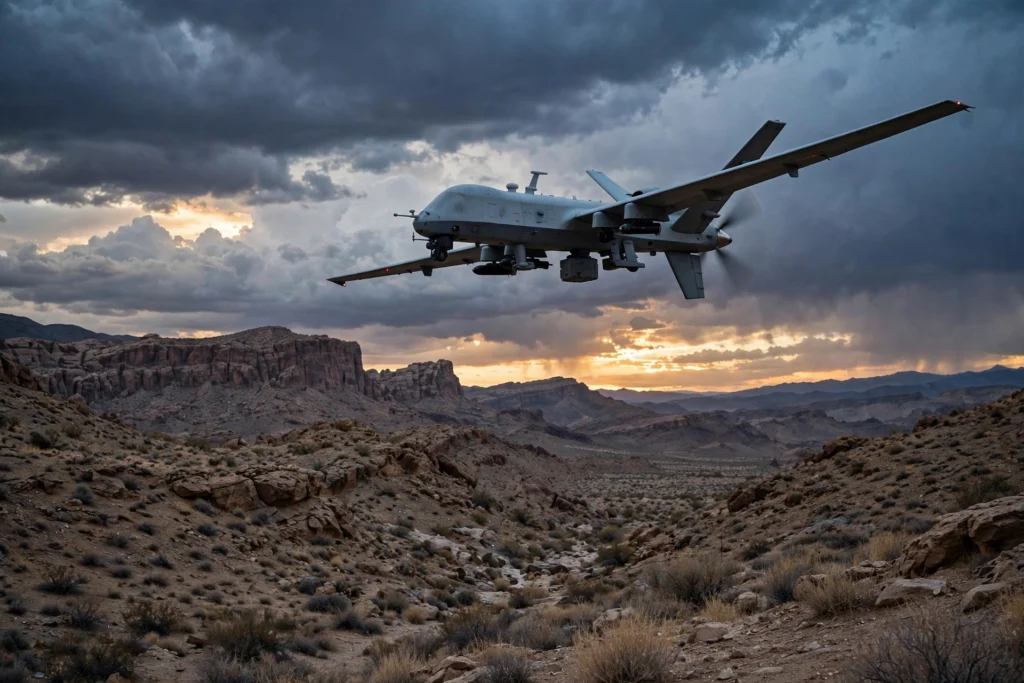
Contracts that have already been signed but not yet executed will be decided on a case-by-case basis. The ministry is likely to set up a committee to decide the fate of such contracts, and for systems already delivered, including jet-powered kamikaze drones, the ministry can continue procuring spares and services to keep them operational.
A company with a controversial past
SMPP began life as a pulp packaging manufacturer before reinventing itself as a defence firm supplying ammunition, drones and protective equipment. Its growth story in defence, however, has not been without controversy.
In 2019, its first major contract for bulletproof jackets came under scrutiny after it emerged that a large share of the components used were sourced from China. The company had passed Army trials using western-origin components but switched to cheaper Chinese products during deliveries, The Economic Times reported.
The latest case revives questions about oversight in private-sector defence procurement, a sector the government has been aggressively opening up to Indian companies under its indigenisation push.
What next
The CBI is examining other contracts handled by Anil Kumar and the role of others named in the FIR, including SMPP employee Ravit Kumar Tewatia. Agency sources have indicated that investigators will also scrutinise other tenders awarded to SMPP by government departments, amid suspicions that similar methods may have been used to secure them.
The defence ministry is expected to formally decide on the suspension of business dealings shortly. For the Army, the immediate task is continuity: ensuring that ammunition, drones and protective equipment keep flowing to units while alternative suppliers are found. For India’s private defence industry, the case is a cautionary tale about the cost of cutting corners.
FAQs
What is the SMPP case about?
The CBI has alleged that SMPP CEO Ashish Kansal bribed Munitions India Limited executive director Anil Kumar to secure a Rs 500 crore ammunition supply contract. The agency recovered over Rs 2.2 crore in cash during raids.
How much are SMPP’s Army contracts worth?
The company has nearly 10 ongoing contracts with the Indian Army worth over Rs 2,000 crore, covering ammunition, loitering munitions, intelligence drones and protective gear.
Will the Army’s supplies be disrupted?
For equipment already delivered, the ministry can continue buying spares and services. Signed-but-unexecuted contracts will be reviewed case by case by a ministry committee.
What does suspension of business dealings mean?
It means the company will be removed from ongoing defence procurement, will not get fresh tenders, and its signed contracts may be discontinued under procurement rules.
Has SMPP responded to the allegations?
As of now, the company has not issued a public statement on the CBI case.
India’s defence procurement story is evolving fast, and the stakes extend far beyond one company. Follow Informeia for the latest on this developing story.