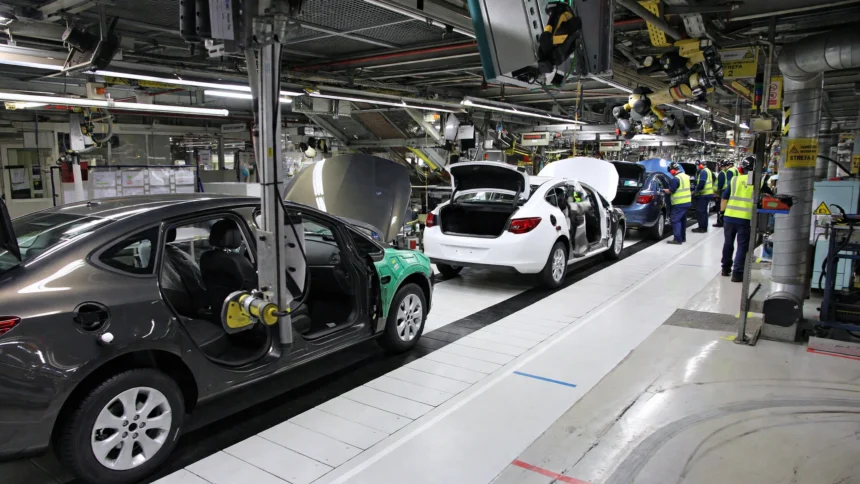
Two of the world’s biggest carmakers are knocking on the Tata Group’s door. Honda and Hyundai have both held talks with Tata Sons chairman N Chandrasekaran about working together on vehicles, engineering and technology, according to a report published on Wednesday. The most eye-catching idea on the table: Tata-built cars, including electric cars, sold in India under the Honda badge. The talks are still exploratory, and no deal has been signed.
What Honda wants from Tata
Chandrasekaran met Honda’s senior management in Japan in 2025, including Honda Motor Company president Toshihiro Mibe and Toshiyuki Yanagisawa, according to people familiar with the meeting. Yanagisawa led Honda’s India Strategic Development Office before taking over as president and chief executive of Honda Cars India on October 1, 2026.
Honda’s discussions span Tata Motors, auto components maker Tata AutoComp, battery maker Agratas, Tata Technologies, Tata Consultancy Services and Tata Elxsi, industry sources said. Talks with TCS and Tata Technologies are said to have progressed furthest.
The talks with Tata Motors remain exploratory, but they have covered big possibilities: rebadging Tata’s petrol and diesel cars, sharing electric vehicle architectures, and selling Tata-developed vehicles, including EVs, under the Honda badge in India. No model, supply arrangement or timetable has been agreed yet. Honda Cars India declined to comment, saying it does not comment on speculation. Emails to Tata Motors and Hyundai Motor Company went unanswered at the time of writing.
Hyundai’s visit, and a $15.5 billion bet
Separately, Hyundai Motor Company president and chief executive Jose Munoz met Chandrasekaran at his Mumbai office. People familiar with that meeting described it as a courtesy visit, during which possible areas of business cooperation may have come up. It produced no specific project.
Hyundai is already going big on India on its own. Hyundai Motor Group has committed $15.5 billion to India between 2026 and 2032, covering manufacturing, research and development, local suppliers and future mobility. It is one of the largest investment pledges by any global carmaker in India.
Honda, meanwhile, wants a locally developed car for India by 2028. Using an existing vehicle or platform would be the fastest and cheapest way to get there, and a Tata partnership could offer exactly that: a ready Indian platform, built for Indian roads and price points, wearing a Honda badge.
The Stellantis precedent
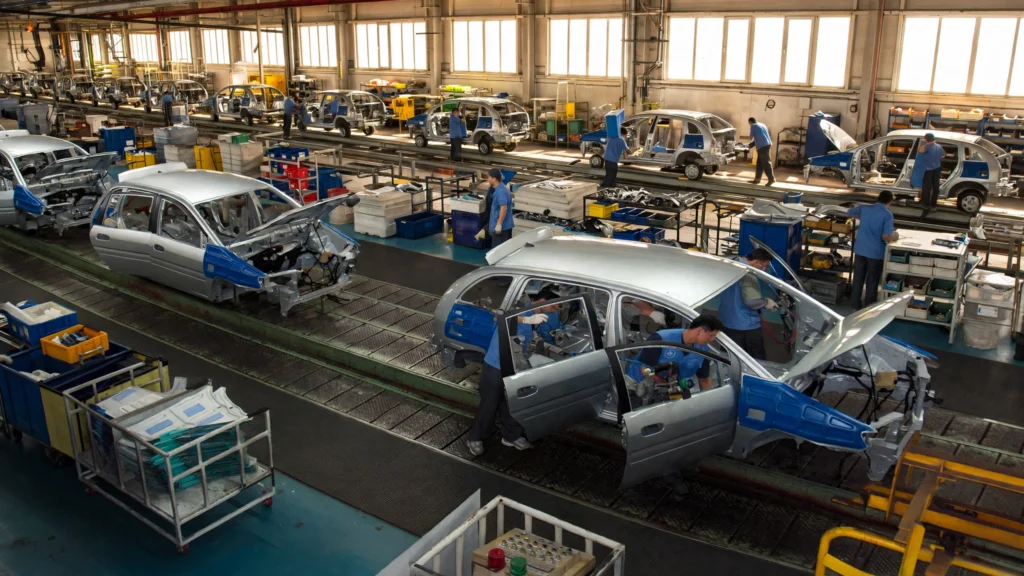
This is not the first time a global carmaker has come shopping for Tata technology. On October 12, Stellantis, Tata Motors Passenger Vehicles and Tata Passenger Electric Mobility signed a definitive agreement on vehicle technology and product development. Under that deal, Stellantis will use Tata Motors’ product technology and architecture, along with its own engineering, to develop vehicles for more than 50 markets.
The contrast is instructive. The Stellantis deal is signed and specific. The Honda and Hyundai conversations are still at the talking stage. But the direction is the same: global carmakers increasingly see Tata’s engineering as something worth buying into. Tata and Honda have history, too: they pursued a car-manufacturing tie-up as far back as 1985.
Why it matters
For buyers, the takeaway is patience: no Honda-badged Tata car exists yet, and talks this early can stall or take years. But if a deal happens, its shape matters.
A Honda-badged Tata EV would solve a real problem for Honda, which has been slow to bring an affordable electric car to India. Instead of spending years and billions developing one from scratch, it could put its badge, dealer network and brand trust on a car Tata already knows how to build at Indian costs. For Tata, it would mean more volume from the same factories, plus a powerful endorsement of its EV technology from a Japanese giant.
The bigger signal is the reversal of roles. For decades, Indian carmakers licensed technology from Japan and Korea. Now Honda and Hyundai are asking what Tata can offer them, driven by Tata’s EV and platform work, which Stellantis has already paid to use, and by India’s scale, with Hyundai alone committing $15.5 billion through 2032. Sharper competition usually means better cars at lower prices, but any partnership car is years away, so buyers should judge the cars on sale today.
What happens next
Watch for three things: whether Honda and Tata move from exploratory talks to a formal agreement with a named model; what Hyundai does next after its courtesy visit; and how fast the Stellantis deal produces its first cars. For now, the story is one of intent, not ink.
FAQs
Is Honda going to sell Tata cars under its own badge?
Not yet. The idea has been discussed, but no model, supply arrangement or timetable has been agreed.
Which Tata companies are involved?
Tata Motors, Tata AutoComp, battery maker Agratas, Tata Technologies, TCS and Tata Elxsi. Talks with TCS and Tata Technologies are said to be furthest along.
What has Hyundai agreed with Tata?
Nothing specific. Hyundai chief Jose Munoz met N Chandrasekaran in Mumbai in what was described as a courtesy visit.
Has Tata signed a similar deal with anyone else?
Yes. On October 12, Stellantis signed a definitive agreement with Tata Motors Passenger Vehicles and Tata Passenger Electric Mobility to use Tata’s technology for cars sold in more than 50 markets.
When could a Honda-badged Tata car reach showrooms?
There is no date. Honda aims to have a locally developed car for India by 2028, but that is its own target, not a deadline for any Tata deal.