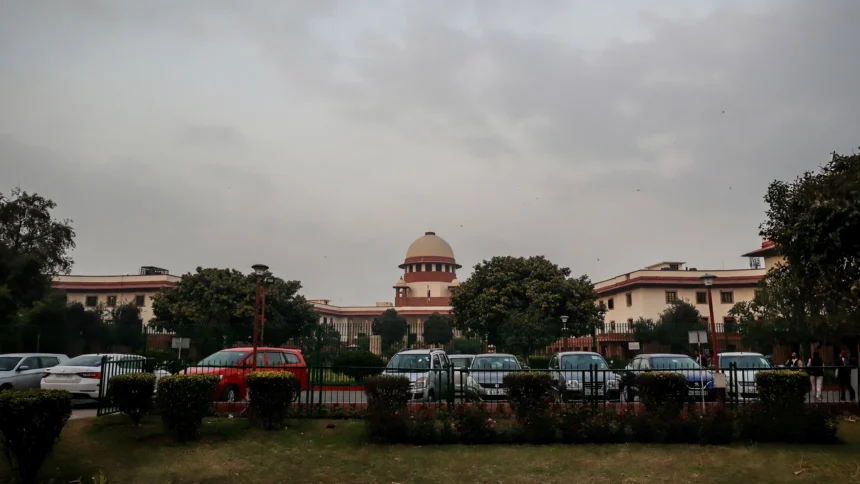
The University Grants Commission’s controversial 2026 equity regulations are headed for a fresh review. The Centre told the Supreme Court on Thursday that it is considering a special committee to re-examine the rules, months after the court stayed their implementation over concerns that some provisions were vague and open to misuse.
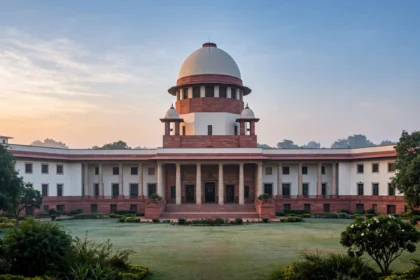
Solicitor General Tushar Mehta made the submission before a bench headed by Chief Justice of India Surya Kant and Justice Joymalya Bagchi. The court adjourned the matter for four weeks, giving the government time to decide its next course of action.
The hearing marks the latest turn in a dispute that has run since January. The regulations were meant to prevent caste-based discrimination in colleges and universities, but they triggered protests, petitions and a political debate that has not died down.
What the government told the court
Mehta told the bench that the government wants to address students’ concerns and ensure that no section of the student community feels excluded, threatened or apprehensive under the framework.
“The government is contemplating appointing a committee,” Mehta submitted, adding that every student should be taken care of and the interests of the younger generation kept in mind.
Chief Justice Surya Kant underlined the need to protect the interests of every student and asked the Centre directly: “Why don’t you revisit the UGC Regulations?” The bench said it would wait for the Centre to decide how it wants to proceed, and the case will come up again after four weeks.
Why the 2026 regulations ran into trouble
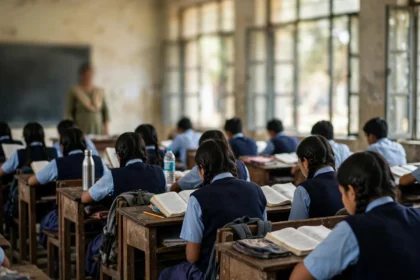
The UGC (Promotion of Equity in Higher Education Institutions) Regulations, 2026, were notified on January 13 this year, replacing the 2012 framework. The rules require universities, colleges and deemed universities to set up Equal Opportunity Centres and equity committees to handle discrimination complaints and promote an inclusive environment on campuses.
On January 29, the court stayed their operation, observing that some provisions appeared prima facie vague and capable of misuse, and directed that the 2012 regulations continue to operate in the meantime, so complainants are not left without a remedy.
At the centre of the dispute is Regulation 3(1)(c), which defines caste-based discrimination as discrimination based only on caste or tribe against members of the Scheduled Castes, Scheduled Tribes and Other Backward Classes. General category petitioners argued the definition excludes them from the framework’s protection and grievance mechanisms.
The petitions were filed by social activist and entrepreneur Rahul Dewan, post-doctoral researcher Mrityunjay Tiwari and advocate Vineet Jindal. The matter is connected with Abeda Salim Tadvi v. Union of India, a 2019 petition by the mothers of Rohith Vemula and Payal Tadvi, who died by suicide after allegedly facing caste discrimination on campuses.
Protests kept the issue alive
Student groups across the country opposed the framework, some calling it discriminatory, others defending the need for targeted protections for historically disadvantaged students.
On Tuesday, a group of upper-caste students staged a protest outside the UGC headquarters in Delhi, demanding that the regulations be withdrawn.
The Centre had earlier, in August, informed the court that the regulations were under reconsideration. Thursday’s submission, that a special committee may now be formed, is the clearest signal yet that the government is preparing to rework the rules rather than defend them as they stand.
What happens next
For now, the 2012 UGC regulations continue to operate in colleges and universities across the country. The 2026 regulations remain stayed until the court examines their validity.
What the proposed committee looks like, who sits on it and how long it gets, is still unclear. The government has not yet announced its constitution or composition. What is clear is that the court wants a framework that protects every student, and the government has told the court it agrees.
Any revised rules will have to balance two demands that have pulled in opposite directions all year: strong safeguards against caste discrimination, and a definition of discrimination that no student feels excludes them.
FAQs
What are the UGC 2026 equity regulations?
They are rules notified on January 13, 2026, to promote equity in higher education institutions and prevent caste-based discrimination, requiring universities to set up Equal Opportunity Centres and equity committees.
Why did the Supreme Court stay the regulations?
On January 29, 2026, the court found some provisions prima facie vague and capable of misuse, and stayed the rules while directing that the 2012 regulations continue to operate.
What did the Centre tell the court on November 5?
Solicitor General Tushar Mehta said the government is considering a special committee to re-examine the 2026 regulations, so that no section of students feels excluded or apprehensive.
Which provision is at the centre of the dispute?
Regulation 3(1)(c), which defines caste-based discrimination as discrimination based on caste or tribe against SC, ST and OBC students. General category petitioners argue this excludes them from protection.
When will the case be heard again?
The Supreme Court adjourned the batch of petitions for four weeks, by which time the government is expected to spell out its plan for the review.
The next hearing will show whether the committee becomes a reality, and whether the revised rules can settle a dispute that has divided campuses for ten months.