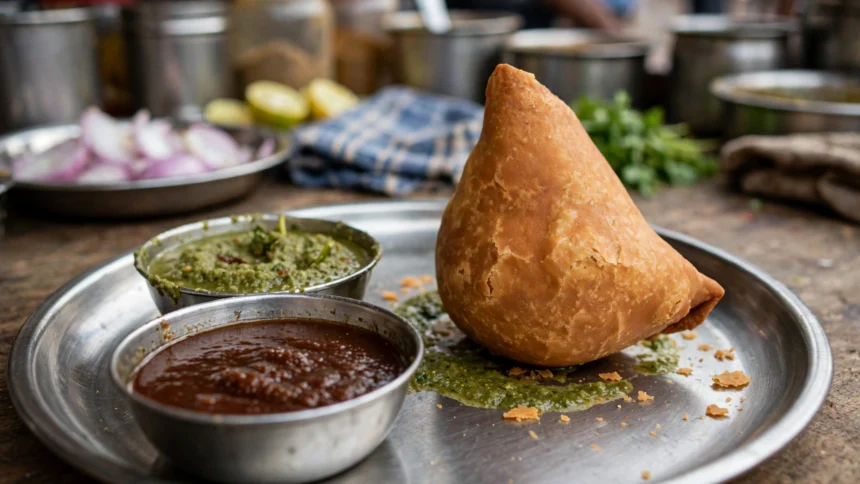
That bright red chutney next to your samosa, the pink cotton candy outside a school gate, the deep red sheen on chicken tikka. In Uttar Pradesh, food safety officers have put all three under a sharper lens. The state Food Safety and Drug Administration, or FSDA, has issued detailed guidelines on food colours after non-food grade industrial dyes were found in chutney. The message to sweet shops, bakeries, restaurants, dhabas, manufacturers and street vendors is plain: colour that is not meant for food has no place in food.
The timing matters. The guidelines were reported this week, in the middle of the festive season, when sweets, snacks and street food sell in far larger quantities than usual. The FSDA has set out where colour may be used, where it may not, and how it must be measured.
What changed for chutney and street snacks
The most direct change is the chutney itself. The guidelines prohibit adding colour to chutney served with samosas, chaat, momos or rolls. Vendors are advised to get colour from the ingredients themselves: tomatoes and beetroot for red, coriander and mint for green.
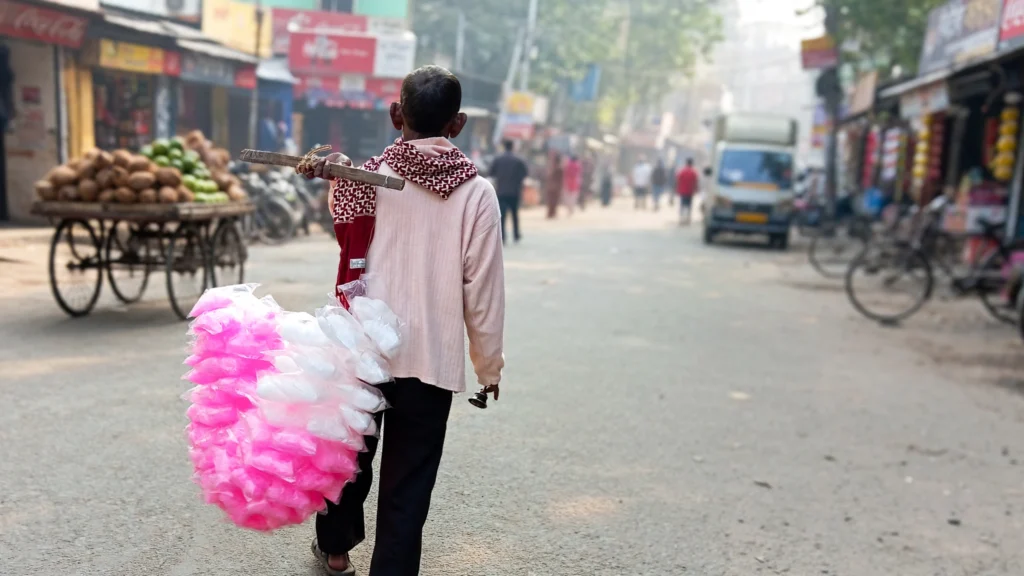
Cotton candy and ice lollies are on the same watch list. The use of non-food colours, particularly Rhodamine-B, is prohibited in them. Rhodamine-B is an industrial dye used to colour textiles and paper. It is not a food colour, and it cannot be used as a substitute for one. The same restriction covers the bright red look on chicken tikka, kebabs, chaap and fried fish when that colour comes from an industrial dye. Vendors are advised to use Kashmiri red chilli and degi mirch instead.
Seven dyes named in the guidelines
The guidelines name several non-permitted industrial dyes: Rhodamine-B, Metanil Yellow, Butter Yellow, Malachite Green, Auramine, Orange II and Sudan dyes. They have been linked to colouring cotton candy, chutney and sweets, making spices look more vibrant, and adulterating edible oils and sauces.
Consumption can cause toxic effects, liver and kidney damage and allergic reactions. Long-term Rhodamine-B use could lead to liver dysfunction or cancer.
Artificial colour is not banned outright
Permitted colours can still be used, but only in the food categories where they are allowed, and only within the prescribed limit. Under the Food Safety and Standards (Food Products Standards and Food Additives) Regulations, 2011, specified artificial colours can be used in certain sweets and confectionery, cakes, pastries, biscuits, icing, some dairy products, processed fruits, beverages and savoury snacks.
For listed sweets, the general maximum limit is 100 mg per kg. The same limit applies to specified bakery products, and processed fruits have a limit of up to 200 mg per kg for canned or glazed cherries. A colour permitted in a cake cannot automatically be used in bread or chutney.
Adding colour is also prohibited in everyday foods such as milk, plain curd, paneer, fresh produce, spices, cereals, pulses and infant food, and in cooked foods such as dal, biryani and chutney.
No more colour by the spoonful
Vendors have been told not to pour colour straight from an open packet into a cooking vessel, and not to estimate the quantity with a spoon or a pinch. A suitable digital weighing scale must be used. If the prescribed quantity cannot be measured, the colour should not be used at all. Businesses must buy colours only from authorised sources, check labels and supplier details, and keep purchase bills, invoices and batch numbers for inspection. Unlabelled chemicals and loose colours from open markets must not be used.
What happens if a vendor breaks the rules
Breaches can invite action under the Food Safety and Standards Act, 2006. Under Section 51, for sub-standard food, a penalty of up to Rs 5 lakh may be imposed. Under Section 52, for misbranded food, the penalty can be up to Rs 3 lakh, with corrective action or destruction of the food also possible. Under Section 59, for unsafe food, punishment ranges from up to six months in prison and a fine of up to Rs 1 lakh where no injury results, to life imprisonment and a fine of at least Rs 10 lakh where the violation results in death.
What shoppers can check
Be cautious of colour that looks unnaturally bright. Ask whether the red in a chutney comes from tomato and beetroot or from a packet, and look for proper labelling on packaged sweets. If a food tastes of chemicals, leave it.
FAQs
Is all artificial food colour banned?
No. Permitted colours are allowed in specified categories within limits. Non-food industrial dyes are banned, as is any colour in foods such as chutney.
Which dyes are named as prohibited?
Rhodamine-B, Metanil Yellow, Butter Yellow, Malachite Green, Auramine, Orange II and Sudan dyes.
Can vendors still make red chutney?
Yes, with food ingredients. Vendors are advised to use tomatoes and beetroot for red chutney, and coriander and mint for green chutney, instead of adding colour.
What must vendors do when they use a permitted colour?
Buy from authorised sources, check labels, keep bills and batch numbers, and measure with a digital weighing scale. Estimating with a spoon or a pinch is not allowed.
What are the penalties?
Up to Rs 5 lakh for sub-standard food and up to Rs 3 lakh for misbranded food, and far heavier punishment under Section 59 for unsafe food.
If the colour did not come from food, it should not be in the food. That is a rule worth remembering well beyond the festive season.