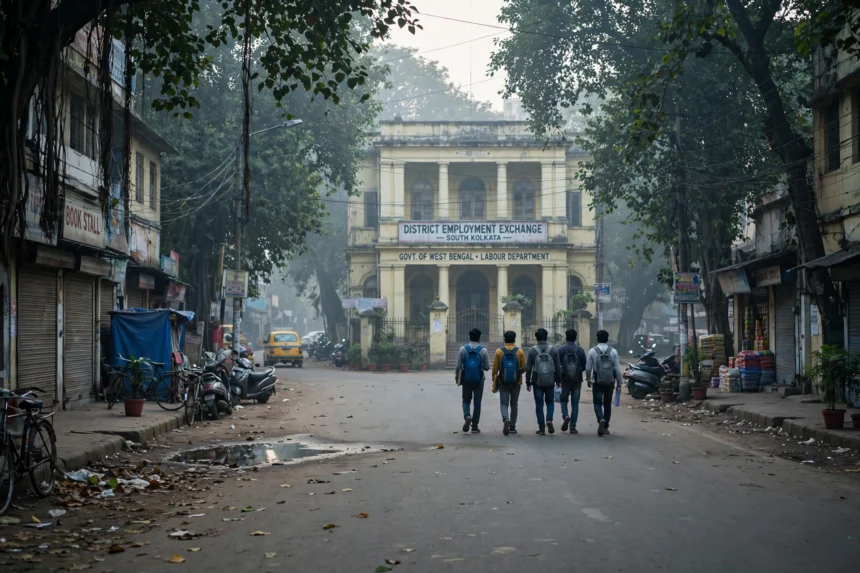
Unemployed graduates in West Bengal will get Rs 2,000 a month from January under a new state scheme called Bharosa, Chief Minister Suvendu Adhikari announced on Monday after a cabinet meeting. Non-graduates with recognised vocational or technical training will receive Rs 1,500 a month under the same programme.
The scheme, officially named Bhorsha Karmasuchi, replaces the previous government’s Yuva Sathi allowance programme. It also brings a complete waiver of application fees for government recruitment examinations from December 1, and 10,146 new hires.
What the Bharosa scheme pays
The monthly allowance is split into two slabs. Unemployed graduates, along with diploma holders from government vocational institutions and Industrial Training Institutes (ITIs), will get Rs 2,000 a month. Non-graduates who have completed government-recognised vocational or technical courses will get Rs 1,500 a month.
Payments start from January, with the first instalments expected in February, and will then land directly in bank accounts in the second week of every month.
The lower amounts are temporary. Payouts will rise to Rs 3,000 a month for graduates and Rs 2,000 for non-graduates from the 2028-29 financial year, matching the promise in the BJP’s election manifesto. Over the first 15 months, a graduate stands to receive Rs 30,000 in total, while a non-graduate would get Rs 22,500.
Who can apply
Applicants must be between 21 and 45, and must not already receive any other government allowance. No more than two members of a family can receive the benefit, and anyone covered under the Annapurna scheme will not qualify. Names will be removed if a person turns 45 or secures employment.
Verification of the 54 lakh existing beneficiaries under the previous scheme will be completed by December 31. People who have not applied so far can submit applications through the state government’s Apnar Sarkar Apnar Pashe programme, with the youth services department acting as the nodal department. The beneficiary list will be reviewed every 15 days.
Exam fee waiver and 10,146 jobs
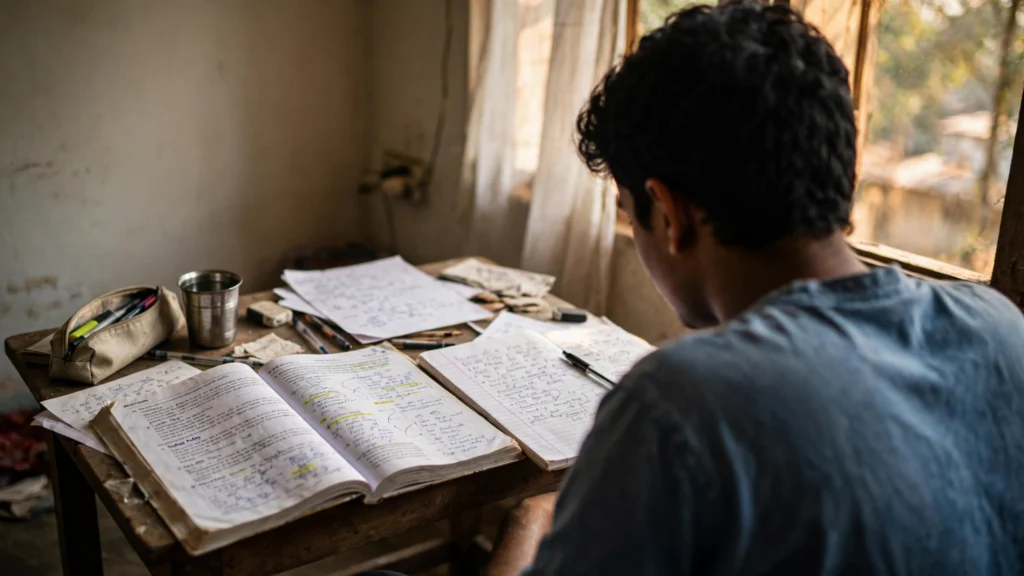
For many aspirants, the second announcement may matter even more than the monthly cash. The cabinet has approved a complete waiver of application fees for government recruitment examinations, effective from December 1. Candidates who apply for several exams a year often spend thousands of rupees on fees alone, so the waiver removes a real barrier.
The Chief Minister also announced 10,146 hires and said 26,000 teaching and non-teaching appointments will be completed by January. The scheme will be formally launched in February, with detailed norms expected before the January rollout.
How Bharosa differs from Yuva Sathi
Under the previous government’s Yuva Sathi scheme, unemployed youth received Rs 1,500 a month. Bharosa raises that to Rs 2,000 for graduates, keeps Rs 1,500 for non-graduates, and adds the exam fee waiver plus a digital, Aadhaar-linked application process.
The Chief Minister was frank about why the payouts are lower than the manifesto promise for now. He cited the state’s extra financial commitments, including welfare schemes, dearness allowance payments and pending arrears, and asked for 15 months before the full amounts kick in.
Why it matters
On paper, Rs 2,000 a month will not transform a jobseeker’s life. In practice, it does three useful things. First, it gives unemployed graduates a small but steady income while they prepare for competitive exams, when many depend entirely on their families. Second, the exam fee waiver cuts the cost of chasing a government job, often the bigger burden for aspirants from poorer households. Third, the promised jump to Rs 3,000 in 2028-29 gives the scheme a second act to be judged on.
The real test will be delivery. The government has to verify 54 lakh existing beneficiaries by December 31, publish detailed norms, and make sure payments land in the second week of each month. If the money arrives on time and the fee waiver works smoothly from December 1, Bharosa will feel like a genuine upgrade rather than a renamed scheme. If payments slip, the lower starting amounts will draw sharper criticism, because the Chief Minister has already conceded they fall short of the manifesto promise.
FAQs
How much will unemployed graduates get under the Bharosa scheme?
Unemployed graduates and diploma holders from government vocational institutions and ITIs will get Rs 2,000 a month. Non-graduates with recognised vocational or technical training will get Rs 1,500 a month.
When will the Bharosa payments start?
The allowance starts from January, with the first payments expected in February, then in the second week of every month, directly into bank accounts.
What is the age limit for the Bharosa scheme?
Applicants must be between 21 and 45 years of age. No more than two members of a family can receive the benefit.
Is there a fee waiver for government job exams in West Bengal?
Yes. The cabinet has approved a complete waiver of application fees for government recruitment examinations, effective from December 1.
How is Bharosa different from the earlier Yuva Sathi scheme?
Yuva Sathi paid Rs 1,500 a month to unemployed youth. Bharosa raises the graduate allowance to Rs 2,000, adds an exam fee waiver, links applications to Aadhaar, and promises Rs 3,000 a month from the 2028-29 financial year.
For West Bengal’s unemployed youth, the next few weeks will show whether Bharosa is a real step up or just a new name. The January rollout, the December 1 fee waiver and the 26,000 appointments due by January will give the first answers.